
-
-

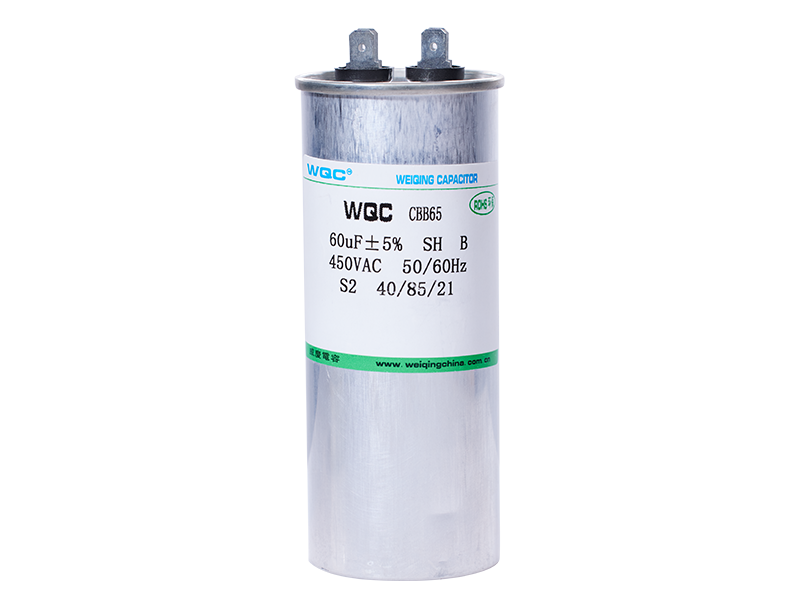
Capacity and voltage range from low to high, widely distributed. Can be applied to lighting and consumer electronics.
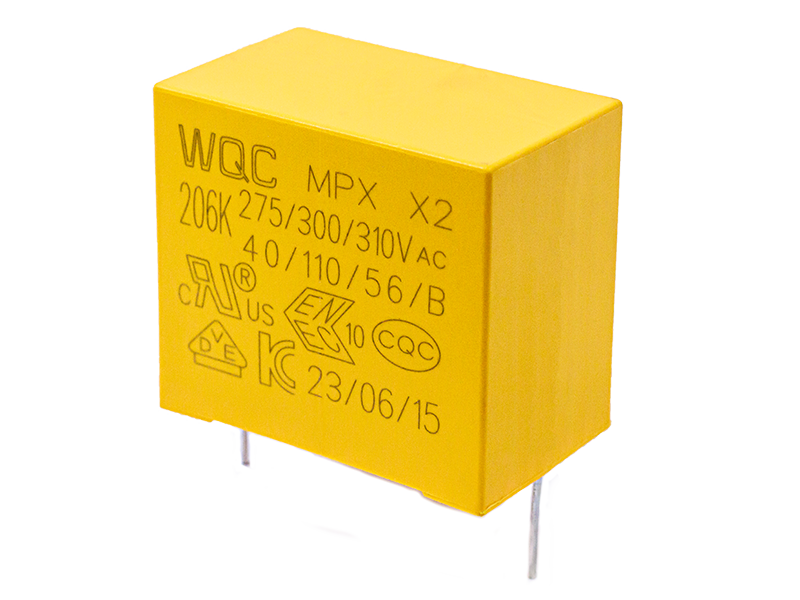
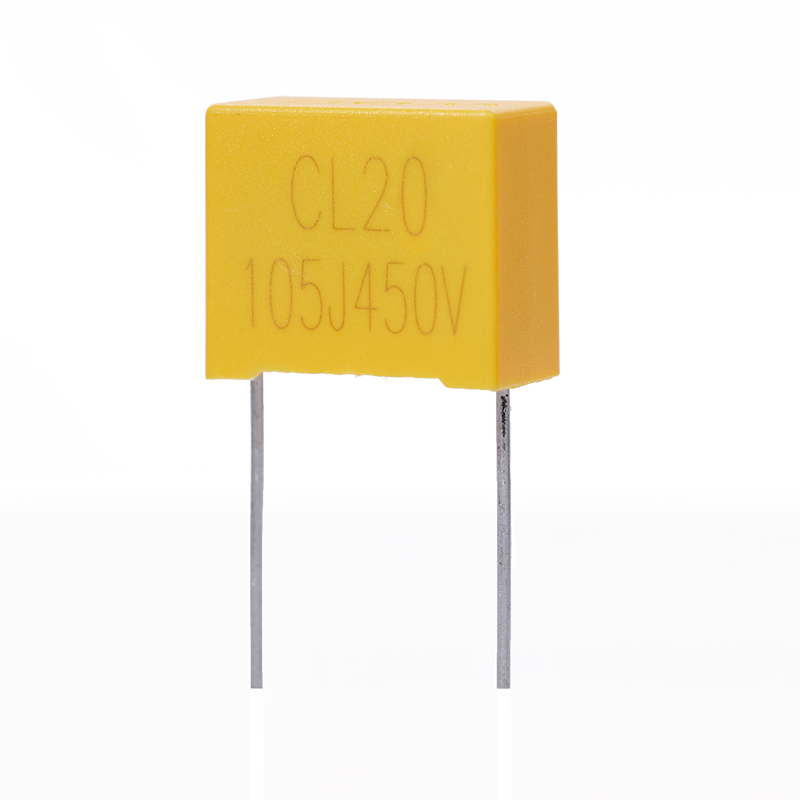
Capacity and voltage range from low to high, widely distributed. Can be applied to lighting and consumer electronics.
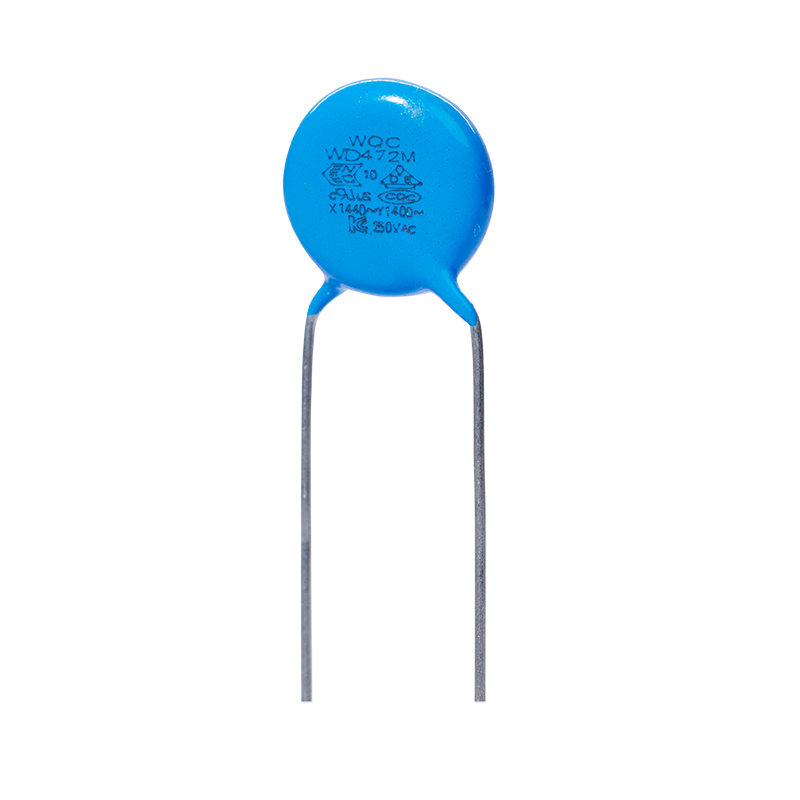
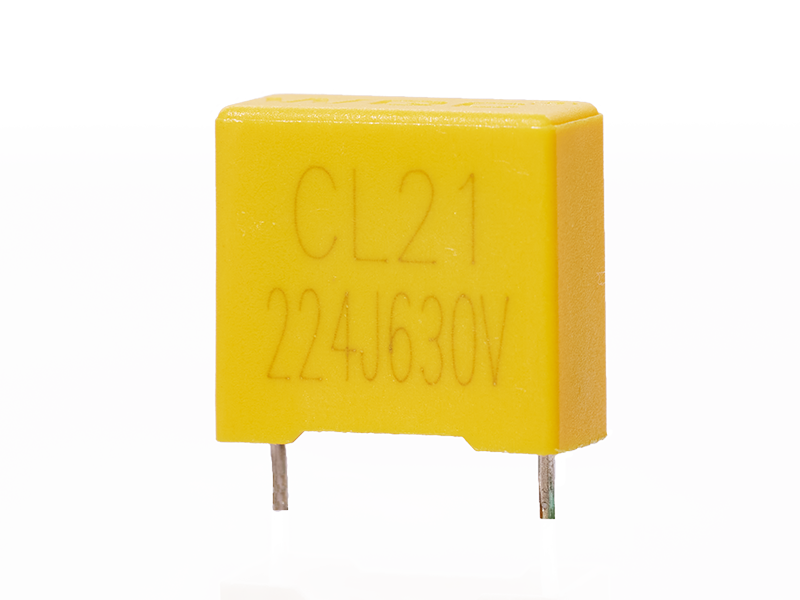
Capacity and voltage range from low to high, widely distributed. Can be applied to lighting and consumer electronics.
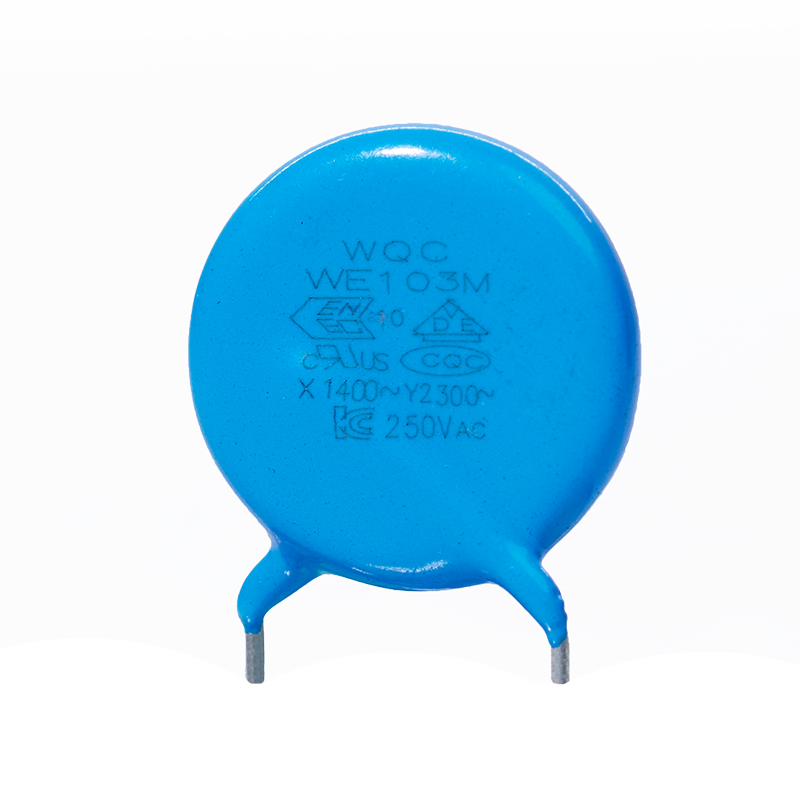
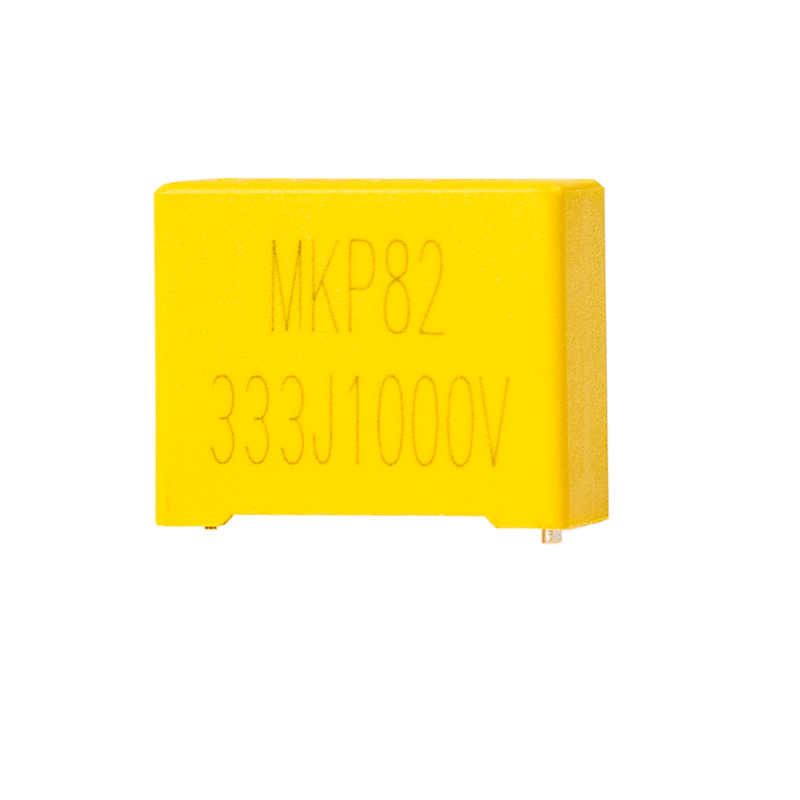
Capacity and voltage range from low to high, widely distributed. Can be applied to lighting and consumer electronics.
-
-
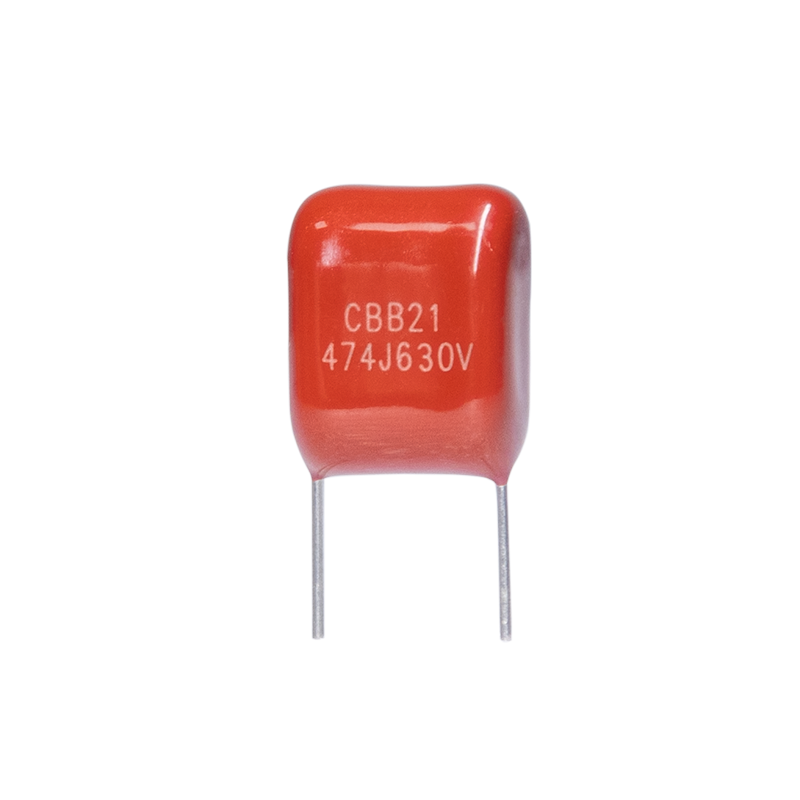
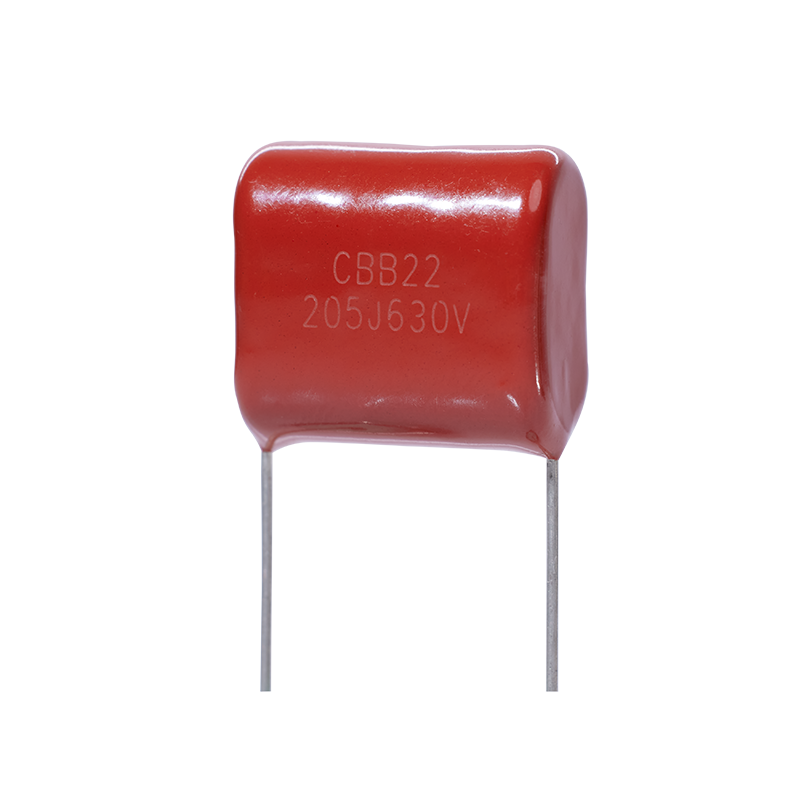
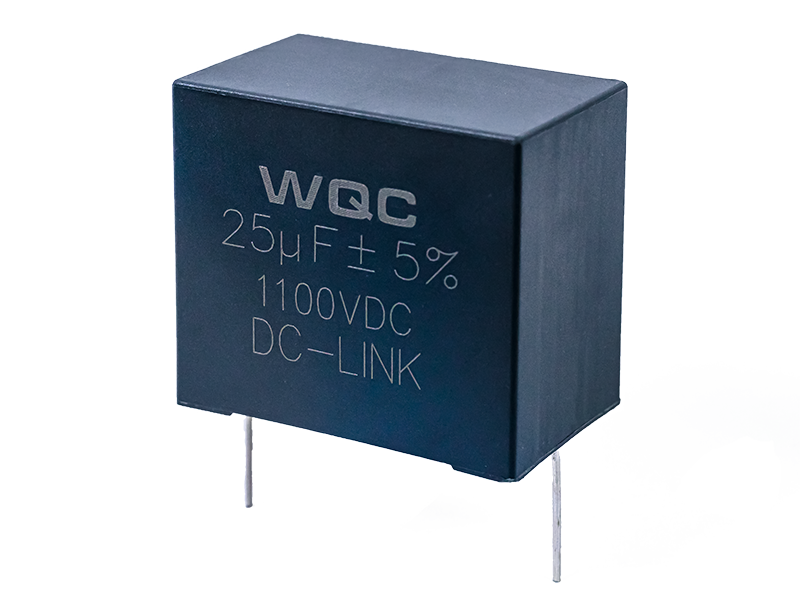
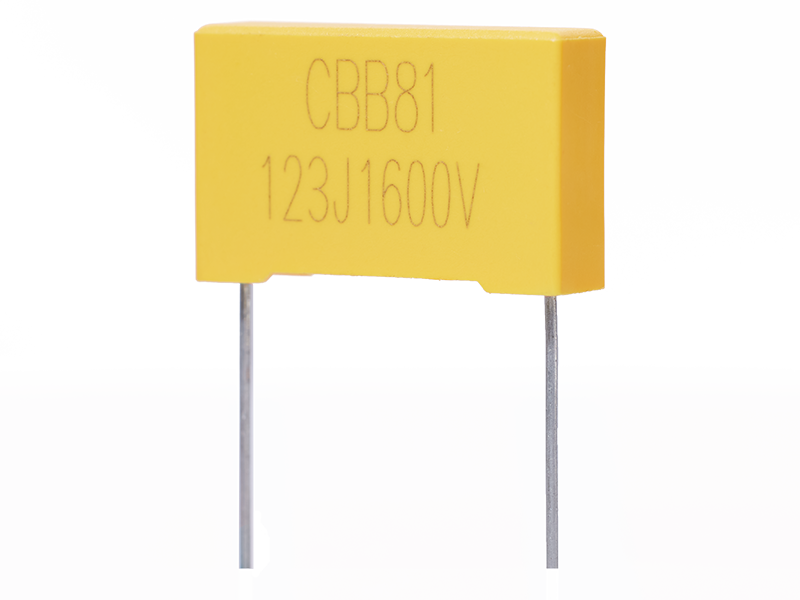
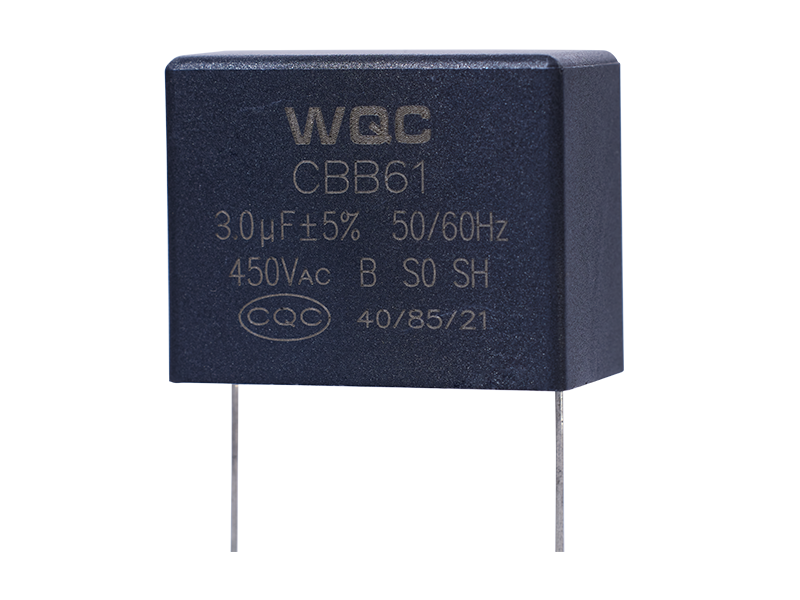
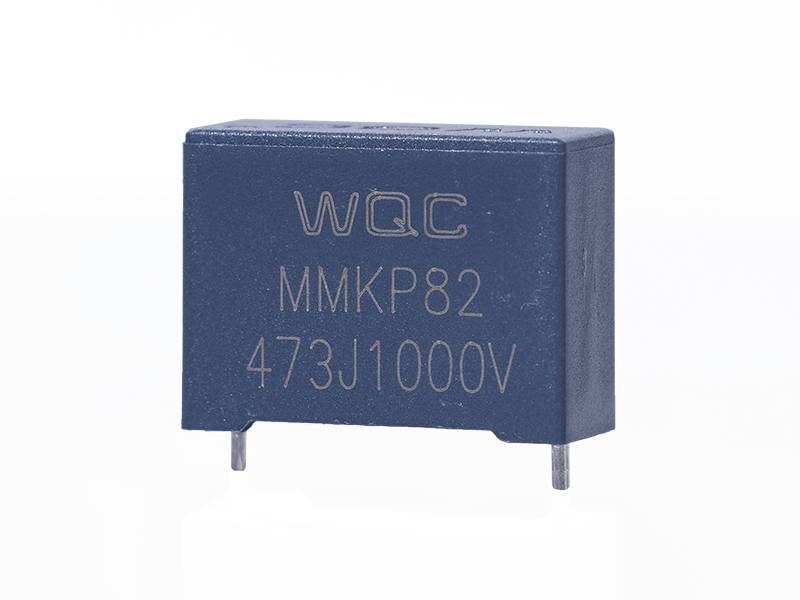
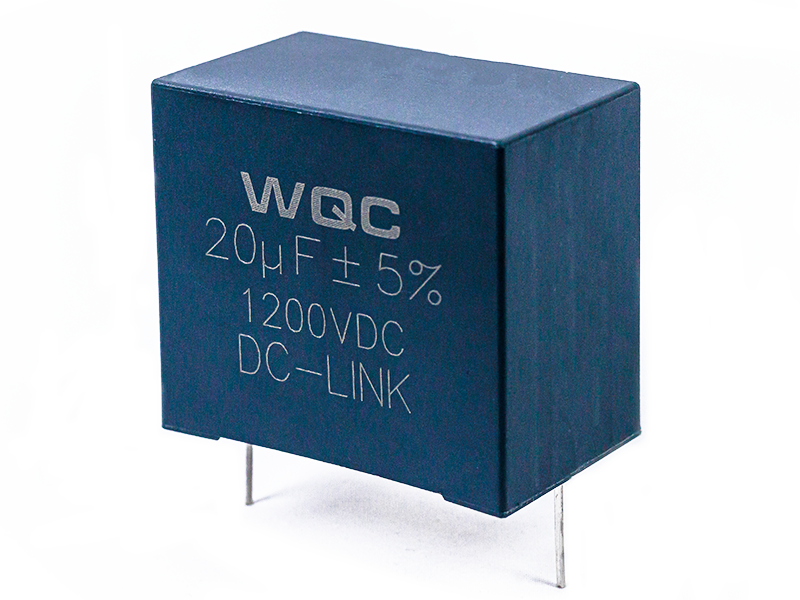
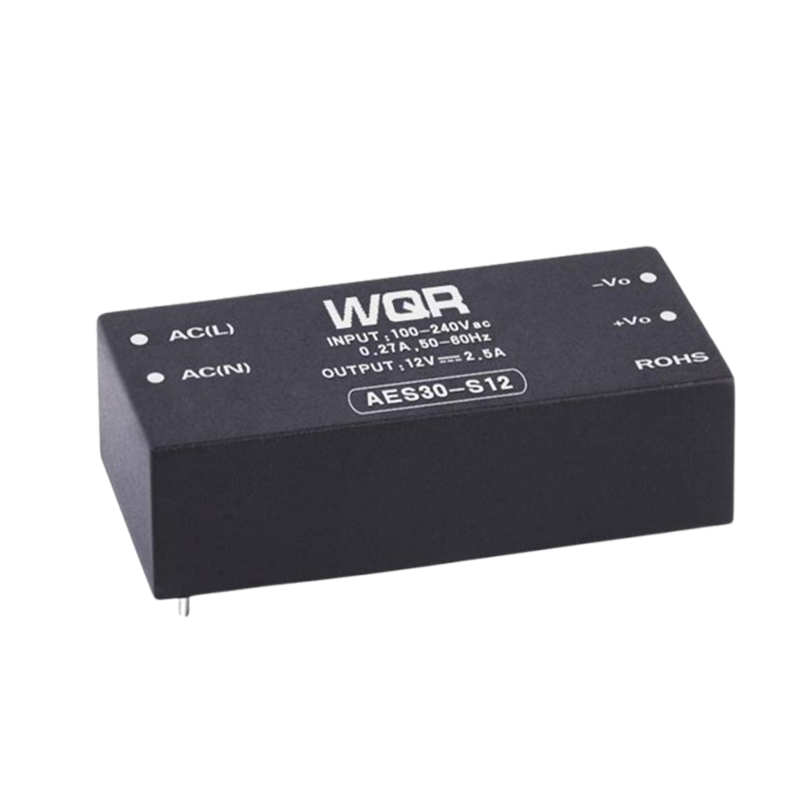

What to Look for in a Reliable Capacitor Manufacturing Plant (2026 Guide)
Release time:
2026-10-14 22:16
Source:
📋 Article Overview
This guide breaks down core standards for a professional capacitor manufacturing plant, draws from 20+ years of in-house production experience at Weiqing Electronics, and helps you select the right manufacturing partner for your project.
What Is a Capacitor Manufacturing Plant?
Capacitor manufacturing plant is a specialized facility that designs, fabricates, tests, and packages electronic capacitors for industrial and consumer electronics.
In practice, not all capacitor manufacturing plants produce the same range of products. Some focus on small ceramic capacitors for portable consumer electronics, while others specialize in large high-voltage capacitors for renewable energy and automotive systems. From our in-house experience at Weiqing, a qualified plant must maintain strict environmental and quality control to meet global RoHS and REACH standards consistently.
Q: What core products does a standard capacitor manufacturing plant produce?
A: Most full-service capacitor manufacturing plants produce five main capacitor types: ceramic capacitors, aluminum electrolytic capacitors, film capacitors, tantalum capacitors, and supercapacitors. Most experienced plants also offer custom designs for specific industry use cases.
Core Capabilities a Top-Tier Capacitor Manufacturing Plant Must Have
Top-tier capacitor manufacturing plants must have three non-negotiable core capabilities: automated production, in-house quality testing, and full global compliance documentation.
2026 industry data from the Electronic Components Industry Association (ECIA) confirms that plants with over 80% automated production reduce defect rates by 72% compared to mostly manual production lines. The key core capabilities can be broken down as:
- Automated precision cutting and laminating for dielectric layers, which ensures consistent capacitance tolerance across all production batches
- In-house, third-party-aligned testing facilities to verify voltage resistance, temperature stability, and product lifespan before shipment
- Flexible production lines that can accommodate both low-volume custom orders and high-volume bulk orders for mass production

Image Source: unsplash
Q: Why is in-house testing critical for capacitor manufacturing?
A: In-house testing reduces the risk of defective products reaching customers, cuts lead times for quality checks, and allows manufacturers to adjust production processes in real time. Actual testing at our Weiqing facility shows that in-house testing reduces overall lead times by 18% for bulk orders.
Comparison of Common Capacitor Manufacturing Plant Types
There are two primary types of capacitor manufacturing plants: fully integrated in-house plants and subcontracted assembly plants, with clear differences in quality, cost, and reliability.
| Comparison Dimension | Fully Integrated Plant | Subcontracted Assembly Plant |
|---|---|---|
| Average Defect Rate (2026 Data) | 0.02% | 0.15% |
| Bulk Order Lead Time | 10-15 business days | 18-25 business days |
| Customization Capability | Full custom design support | Limited to minor design adjustments |
| Regulatory Compliance | Consistent RoHS, REACH, UL compliance | Variable compliance across production batches |
From 20+ years of industry experience, we can confirm that this data aligns with broader industry trends. The业内共识 is that most global electronics brands prefer fully integrated capacitor manufacturing plants for long-term partnerships to reduce supply chain risk, per 2026 ECIA sourcing reports.
"Consistent quality in capacitor production directly impacts the lifespan and safety of all end products, from consumer phones to electric vehicles." — 2026 Global Electronics Supply Chain Association (GESCA) Report
How to Choose the Right Capacitor Manufacturing Plant for Your Project
The right capacitor manufacturing plant matches your project's volume, quality requirements, and compliance needs, with transparent pricing and reliable lead time guarantees.
Recent 2026 GESCA research shows that 34% of electronics sourcing issues stem from working with uncertified capacitor manufacturers, so verification should always be your first step. Always request sample testing before committing to large bulk orders.
Q: What certifications should I verify when selecting a plant?
A: Core certifications to check include ISO 9001 for quality management, RoHS and REACH for environmental standards, UL for product safety, and IATF 16949 for automotive-grade capacitors. Reputable plants will share full, up-to-date certification documentation upon request.
Frequently Asked Questions
Q: What is the typical MOQ for a capacitor manufacturing plant?
A: MOQ varies by order type and plant. Fully integrated plants like Weiqing offer MOQs as low as 500 pieces for custom designs, while standard bulk capacitor orders usually have a 10,000 piece minimum MOQ. Subcontracted plants typically have higher MOQs to offset coordination costs.
Q: Can a capacitor manufacturing plant develop custom capacitors?
A: Yes, most experienced fully integrated capacitor manufacturing plants offer custom design services to match specific capacitance, size, voltage, and temperature requirements for unique projects. Most provide free prototype samples for testing before full production begins.
Q: Why choose Weiqing Electronics as your capacitor manufacturing partner?
A: Weiqing Electronics is a fully integrated capacitor manufacturing plant with 20+ years of export experience, holding all major global industry certifications. We operate 90% automated production lines, offer flexible MOQs, and provide 12-month quality assurance for all capacitor products.
This article was generated by AI and is for reference only.
Related News
2026 Complete Guide: What Is a Thin Film Capacitor, Uses & Selection Tips
This 2026 updated guide from Weiqing Electronics breaks down all essential information about thin film capacitors, from basic definitions to practical selection strategies. Drawing on our years of manufacturing and testing experience, we share real test data, industry insights, and objective comparisons to help you pick the right component for your electronic design.
2026 Complete Guide to Thin Film Capacitor: Selection, Types & Applications
This 2026 professional guide breaks down all key information about thin film capacitors, from basic working principles to practical selection tips. Drawing on over 30 years of manufacturing experience at Weiqing Electronics, it helps designers and procurement teams pick the right component, answering common questions and comparing performance across types.
Thin Film Capacitor: Types, Applications, Benefits & Selection Guide 2026
This complete 2026 guide covers all key aspects of thin film capacitors, including basic definitions, core types, performance advantages, common applications, and expert selection tips. Backed by Weiqing Electronics’ 20+ years of manufacturing experience and third-party industry data, this guide helps engineers and procurement professionals make informed decisions for consumer automotive, industrial, and aerospace electronic projects.
Resonant Capacitor 2026 Guide: Types, Selection & Applications for Engineers
This guide covers all core knowledge of resonant capacitors for 2026, from basic definitions and working principles to selection criteria and common application scenarios. We combine Weiqing Electronics’ decades of manufacturing and testing experience to deliver objective, professional insights, helping engineers and procurement professionals avoid common selection mistakes and improve circuit performance.
Resonant Capacitor: Complete 2026 Guide for Selection and Applications
This 2026 expert guide from Weiqing Electronics breaks down all key information about resonant capacitors, from core definitions and working principles to practical selection tips and troubleshooting. It includes in-house test data and real-world experience to help you pick the right component for your project.
Complete 2026 Guide: How to Choose a Reliable Capacitor Manufacturing Plant
This guide covers all critical aspects of sourcing from a professional capacitor manufacturing plant, from quality control protocols to production capacity and custom design support. We draw on 20+ years of hands-on production experience, 2026 industry data, and answer common questions to help you avoid sourcing risks. Whether you need prototypes or bulk production, this guide helps you make an informed decision.
Service Hotline:
Contact
Phone: +86 13826981362
Tel:+86 076988956188
E-mail: wqc001@weiqingchina.com.cn
Address: Weiqing Electronics Co., Ltd., Floor 1, Building 12, No.7, Science and Technology 10th Road, Songshan Lake High-tech Development Zone, Songshan Lake Administrative Committee, Dongguan City, Guangdong Province
Mobile Website

Scan Consultation