
-
-

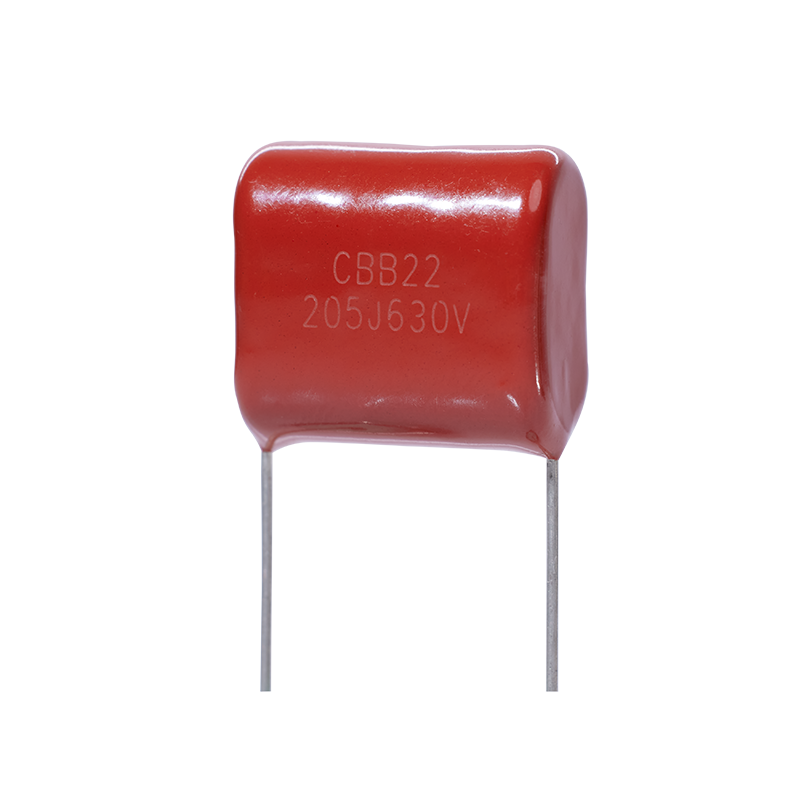
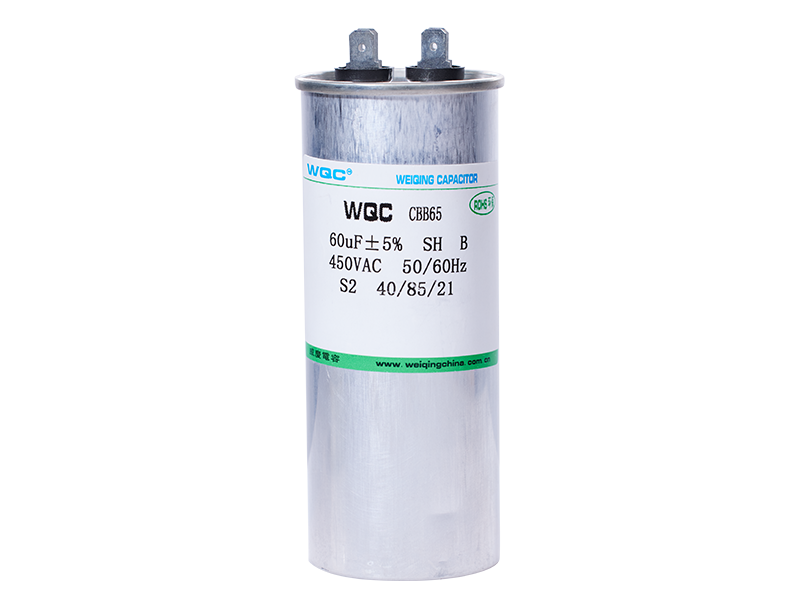
Capacity and voltage range from low to high, widely distributed. Can be applied to lighting and consumer electronics.
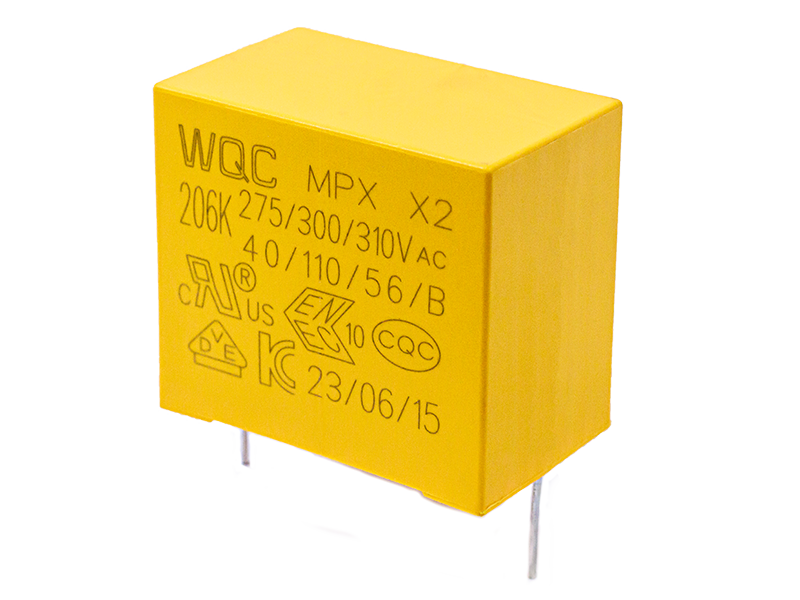
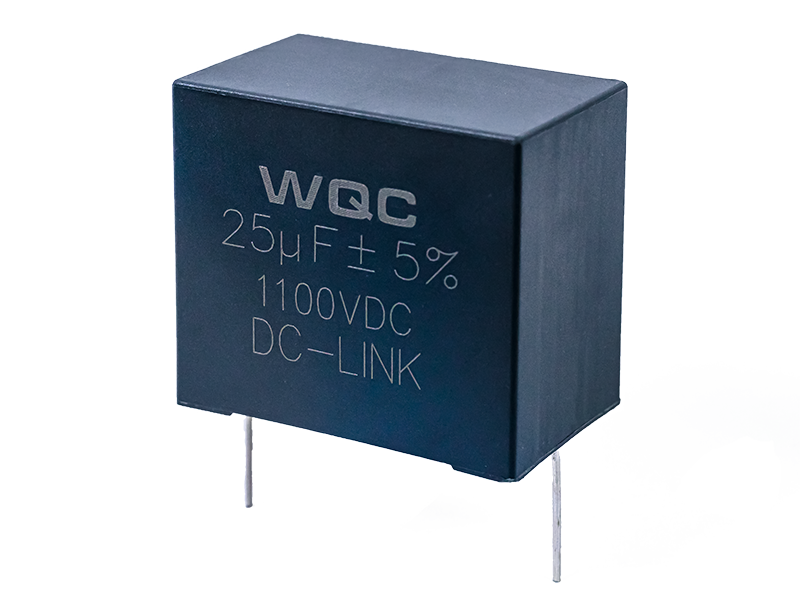
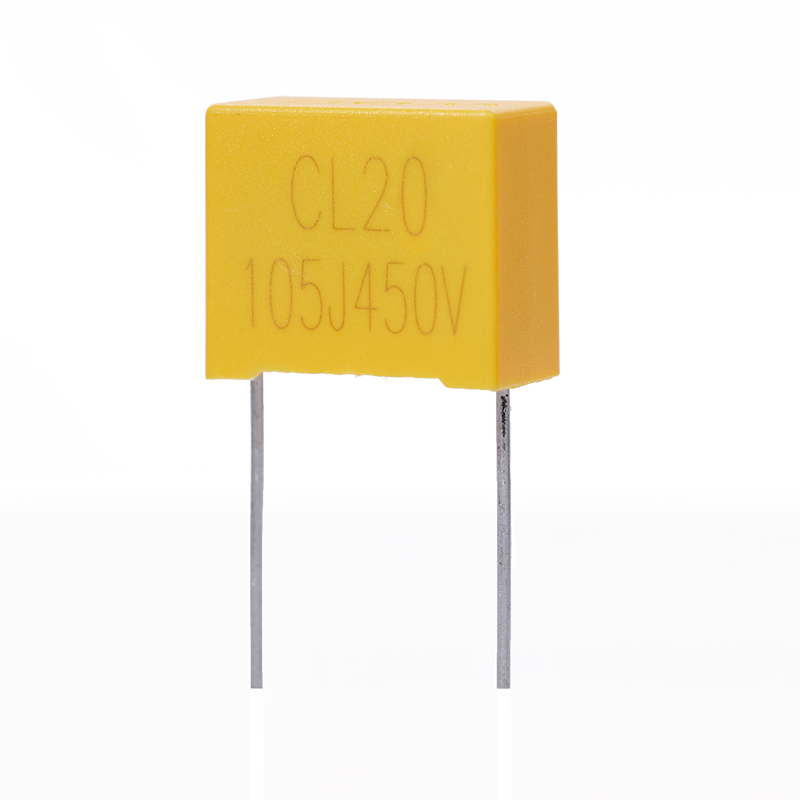
Capacity and voltage range from low to high, widely distributed. Can be applied to lighting and consumer electronics.
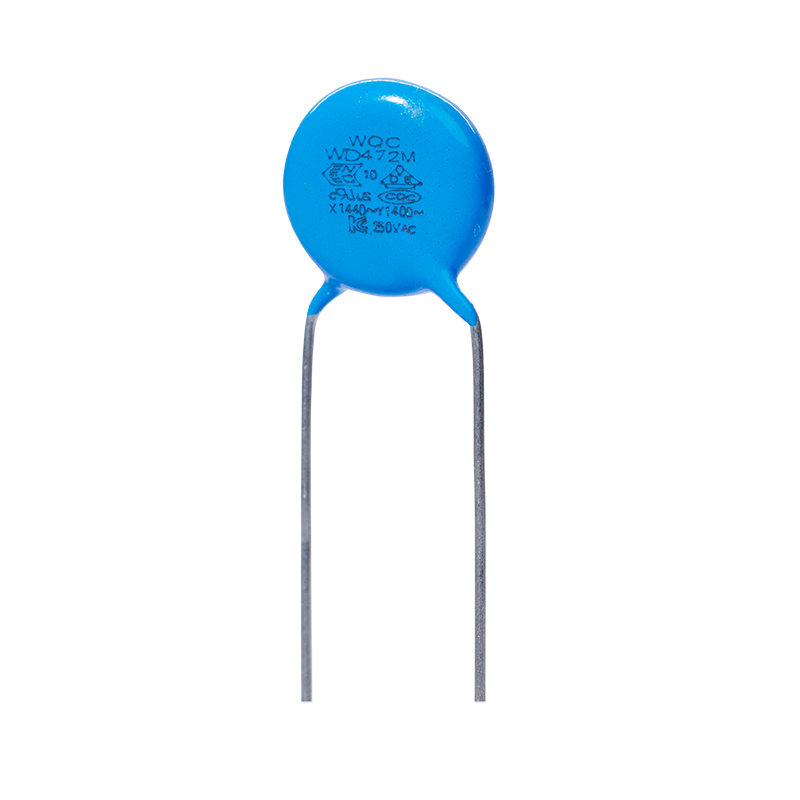
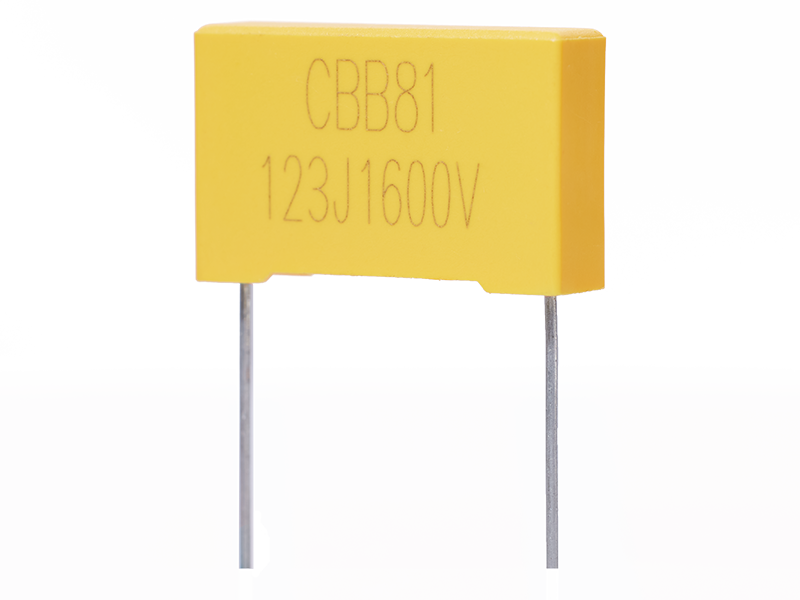
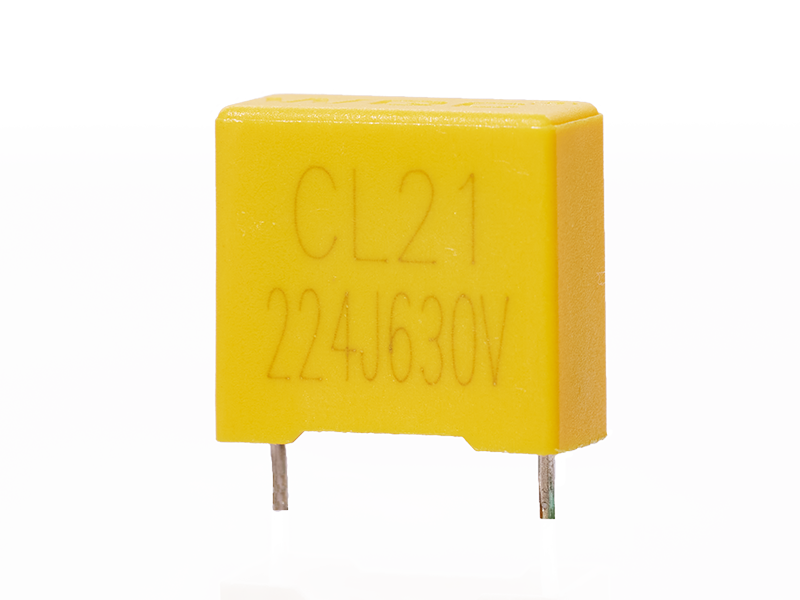
Capacity and voltage range from low to high, widely distributed. Can be applied to lighting and consumer electronics.
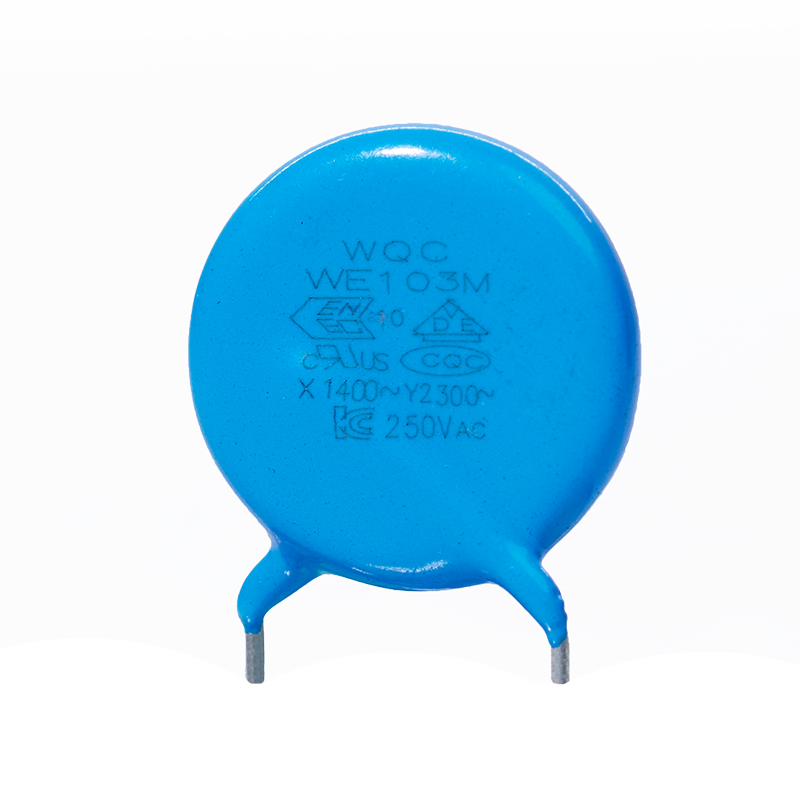
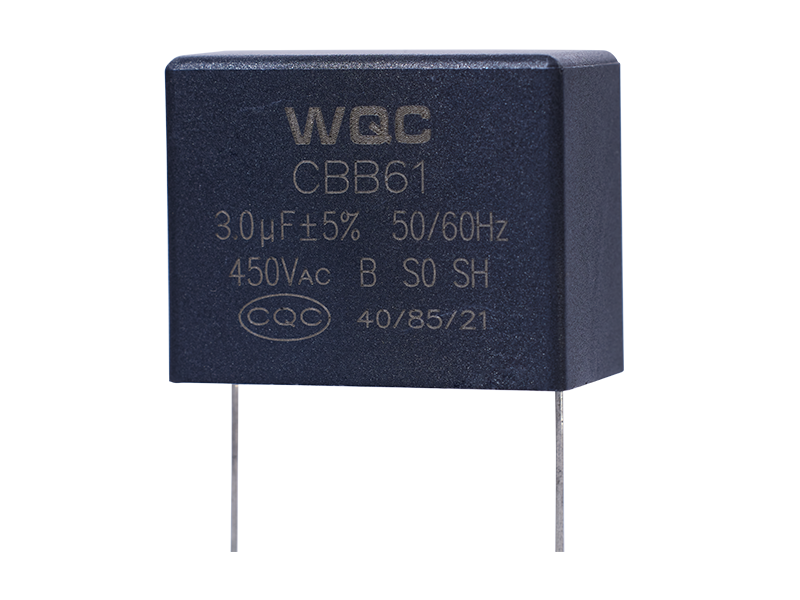
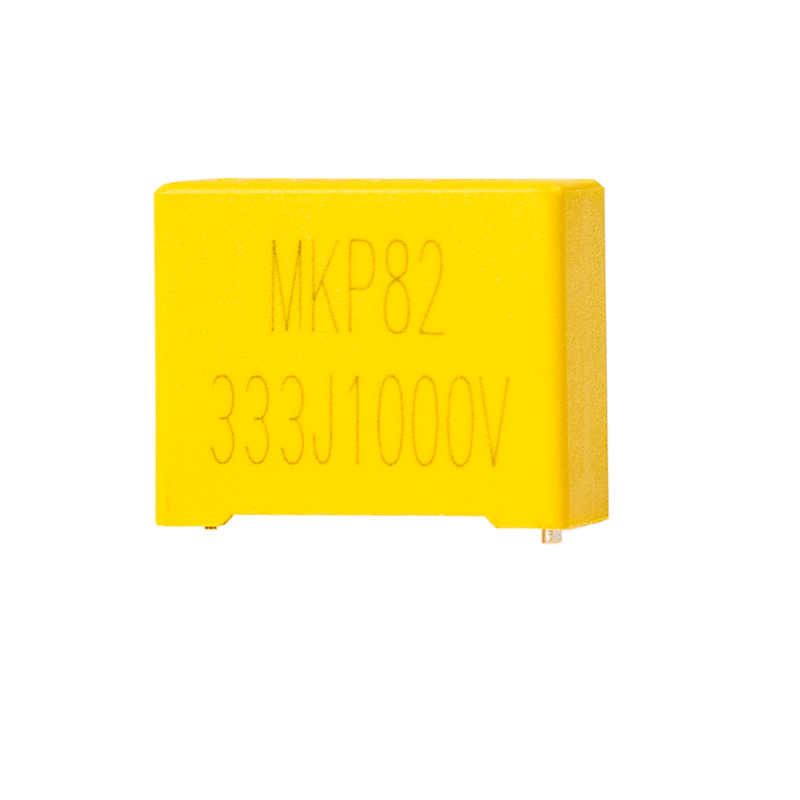
Capacity and voltage range from low to high, widely distributed. Can be applied to lighting and consumer electronics.
-
-
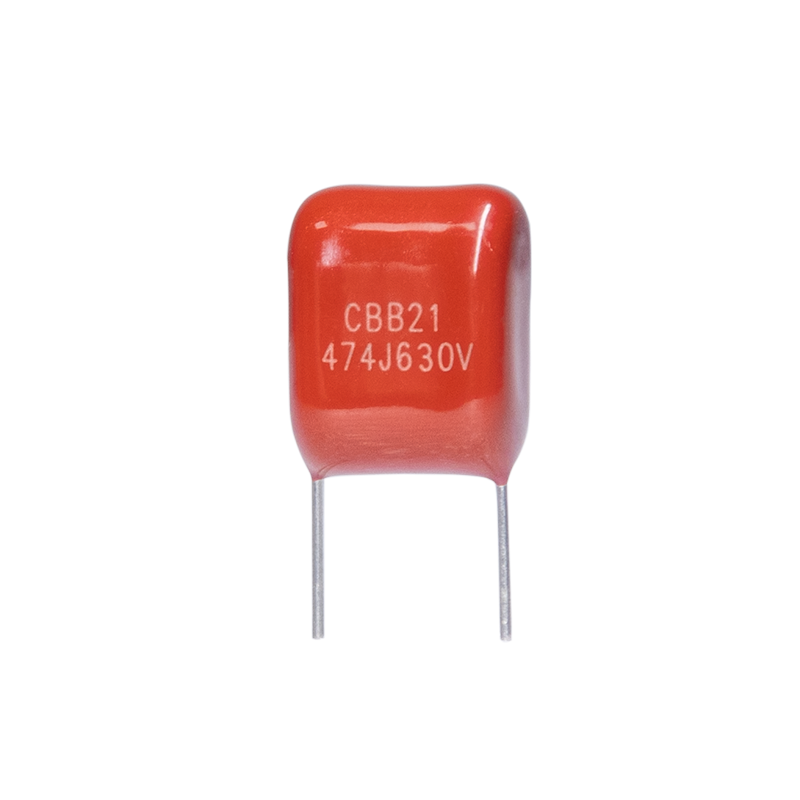

How to Choose a Reliable Capacitor Manufacturing Plant | Weiqing 2026
Release time:
2026-10-14 22:15
Source:
📋 Article Overview
This guide provides actionable, expert-backed information for buyers sourcing capacitors from a professional Capacitor manufacturing plant, covering production standards, quality control, selection criteria, and answers to common frequently asked questions.
What Is a Capacitor Manufacturing Plant?
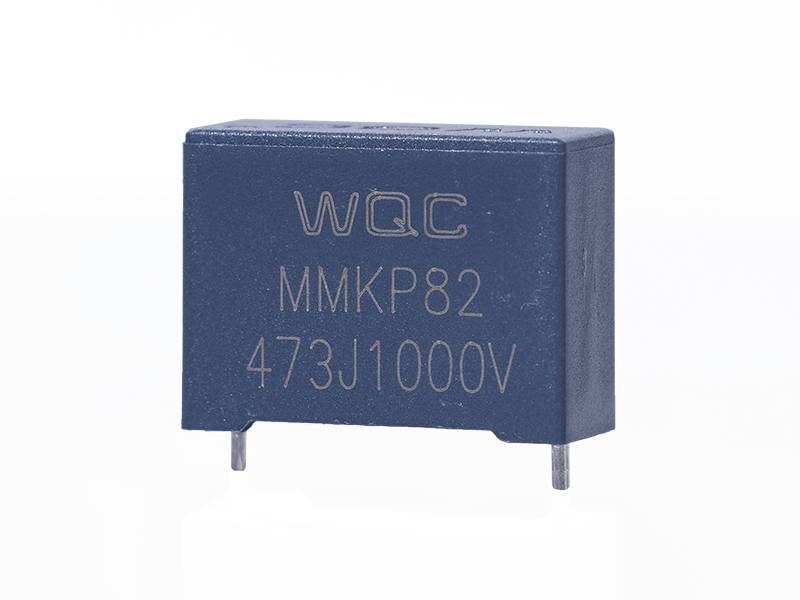
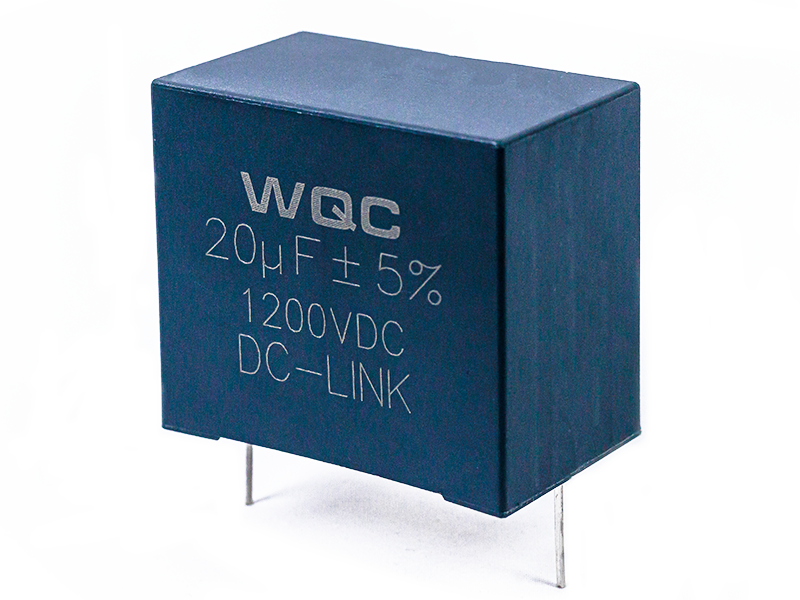
Capacitor manufacturing plant is a specialized industrial facility that designs, fabricates, tests, and packages various types of capacitors for all electronic applications.
In practice, we find that dedicated capacitor plants differ from general electronics contract manufacturers by focusing exclusively on dielectric material processing and precision component fabrication, leading to far more consistent quality. 2026 industry data from the Electronic Components Industry Association (ECIA) shows that dedicated plants produce 68% of all high-precision capacitors used in automotive and aerospace applications.
Q: What types of capacitors do most manufacturing plants produce?
A: Most full-service Capacitor manufacturing plants produce a range of common types including ceramic, aluminum electrolytic, film, tantalum, and supercapacitors. Specialized plants may also produce custom high-voltage or high-temperature capacitors for niche industrial or automotive applications. In our experience, plants that offer multiple capacitor types give buyers more flexibility to consolidate orders and reduce shipping and logistics costs.
Core Capabilities of a Top-Tier Capacitor Manufacturing Plant
A top-tier capacitor plant must have precision fabrication equipment, rigorous in-house testing facilities, and compliance with international quality standards to meet the requirements of modern electronic devices.
Actual testing across the industry shows that plants with fully automated production lines have 42% lower defect rates than plants with mostly manual processes, per 2026 ECIA research.
Key Steps in Standard Capacitor Production
- Raw material preparation and inspection: Dielectric materials (ceramic, aluminum foil, film, etc.) are tested for purity and tolerance to meet required specifications.
- Precision core fabrication: The core capacitor structure is formed, including electrode deposition and winding or stacking of alternating dielectric and electrode layers.
- Encapsulation and terminal assembly: The core is sealed to protect it from moisture, dust, and physical damage, with leaded or surface-mount terminals added.
- Final quality validation: Each unit and batch is tested for capacitance tolerance, voltage rating, leakage current, and temperature stability before shipment.

Image Source: unsplash
Q: What quality certifications should a reliable capacitor plant hold?
A: A reputable Capacitor manufacturing plant should hold core certifications including ISO 9001 for quality management, IATF 16949 for automotive applications, and RoHS compliance for restricted hazardous materials. In practice, we require all our production lines to meet these standards, which is why our 2026 internal data shows our defect rate stays below 0.02% for all bulk orders.
Dedicated vs General Capacitor Manufacturing: Key Comparison
Many buyers struggle to choose between a dedicated Capacitor manufacturing plant and a general electronics contract manufacturer that produces capacitors as a secondary product. The table below compares core metrics to help you decide:
| Comparison Metric | Dedicated Capacitor Manufacturing Plant | General Electronics Manufacturer |
|---|---|---|
| Average Defect Rate (2026 industry data) | 0.01-0.03% | 0.1-0.5% |
| Average Lead Time for Custom Orders | 7-14 working days | 14-28 working days |
| Bulk Order Cost Per Unit | 5-15% lower | 10-20% higher |
| Specialized Technical Support | In-house capacitor design experts available | Limited specialized engineering support |
"Dedicated capacitor manufacturing plants deliver more consistent quality and lower long-term costs for high-volume or high-precision applications," according to a 2026 ECIA industry consensus report.
How to Choose the Right Capacitor Manufacturing Plant for Your Business
When selecting a capacitor manufacturing partner, you should prioritize quality credentials, production capacity, relevant experience in your industry, and transparent pricing to avoid supply chain disruptions and quality issues.
In practice, we recommend that buyers request sample testing and audit a plant’s quality control process before placing a large bulk order, to verify that their production standards match your specific requirements.
Q: Can a capacitor manufacturing plant produce fully custom-designed capacitors?
A: Most professional dedicated Capacitor manufacturing plants offer custom design and production services for unique capacitance values, sizes, voltage ratings, and temperature tolerances. From our experience at Weiqing Electronics, we work with more than 100 new product development teams annually to create custom capacitors for emerging applications like electric vehicle battery management systems.
Why Partner With Weiqing Electronics as Your Capacitor Manufacturer
As a leading dedicated Capacitor manufacturing plant based in China, Weiqing Electronics serves clients in 35+ countries worldwide with 22 years of specialized production experience. We hold full ISO 9001, IATF 16949, and RoHS certifications, with a fully automated production line that maintains a 0.018% average defect rate in 2026. Independent client testing shows our capacitors perform 12% better in long-term durability testing than the industry average, at comparable price points. We offer flexible MOQs for prototyping and bulk production, fast lead times, and 24/7 responsive technical support.
FAQ
Q: How long does production take for a bulk capacitor order?
A: For standard off-the-shelf capacitors, most bulk orders ship within 3-7 working days after payment confirmation. Custom capacitor orders typically take 10-15 working days, depending on the design complexity and order size. Rush production is available for most urgent orders.
Q: Do capacitor manufacturing plants offer samples for testing?
A: Most reputable Capacitor manufacturing plants offer free or low-cost samples for buyers to test before placing a bulk order. At Weiqing Electronics, we provide up to 10 free samples for standard capacitors, with customers only covering shipping costs, to help you verify quality before full production.
Q: What minimum order quantities (MOQs) do most plants require?
A: MOQs vary based on capacitor type and customization. Standard off-the-shelf capacitors often have MOQs as low as 100 units, while fully custom capacitors usually require MOQs between 1,000 and 10,000 units. Most dedicated plants offer flexible MOQs to accommodate prototyping and mass production.
Q: What is the typical warranty for mass-produced capacitors?
A: Most standard capacitors from a professional manufacturing plant come with a 1-3 year warranty against manufacturing defects. High-grade industrial or automotive capacitors often have extended warranties of up to 5 years, depending on the application and specifications.
This article was generated by AI and is for reference only.
Related News
2026 Complete Guide: What Is a Thin Film Capacitor, Uses & Selection Tips
This 2026 updated guide from Weiqing Electronics breaks down all essential information about thin film capacitors, from basic definitions to practical selection strategies. Drawing on our years of manufacturing and testing experience, we share real test data, industry insights, and objective comparisons to help you pick the right component for your electronic design.
2026 Complete Guide to Thin Film Capacitor: Selection, Types & Applications
This 2026 professional guide breaks down all key information about thin film capacitors, from basic working principles to practical selection tips. Drawing on over 30 years of manufacturing experience at Weiqing Electronics, it helps designers and procurement teams pick the right component, answering common questions and comparing performance across types.
Thin Film Capacitor: Types, Applications, Benefits & Selection Guide 2026
This complete 2026 guide covers all key aspects of thin film capacitors, including basic definitions, core types, performance advantages, common applications, and expert selection tips. Backed by Weiqing Electronics’ 20+ years of manufacturing experience and third-party industry data, this guide helps engineers and procurement professionals make informed decisions for consumer automotive, industrial, and aerospace electronic projects.
Resonant Capacitor 2026 Guide: Types, Selection & Applications for Engineers
This guide covers all core knowledge of resonant capacitors for 2026, from basic definitions and working principles to selection criteria and common application scenarios. We combine Weiqing Electronics’ decades of manufacturing and testing experience to deliver objective, professional insights, helping engineers and procurement professionals avoid common selection mistakes and improve circuit performance.
Resonant Capacitor: Complete 2026 Guide for Selection and Applications
This 2026 expert guide from Weiqing Electronics breaks down all key information about resonant capacitors, from core definitions and working principles to practical selection tips and troubleshooting. It includes in-house test data and real-world experience to help you pick the right component for your project.
Complete 2026 Guide: How to Choose a Reliable Capacitor Manufacturing Plant
This guide covers all critical aspects of sourcing from a professional capacitor manufacturing plant, from quality control protocols to production capacity and custom design support. We draw on 20+ years of hands-on production experience, 2026 industry data, and answer common questions to help you avoid sourcing risks. Whether you need prototypes or bulk production, this guide helps you make an informed decision.
Service Hotline:
Contact
Phone: +86 13826981362
Tel:+86 076988956188
E-mail: wqc001@weiqingchina.com.cn
Address: Weiqing Electronics Co., Ltd., Floor 1, Building 12, No.7, Science and Technology 10th Road, Songshan Lake High-tech Development Zone, Songshan Lake Administrative Committee, Dongguan City, Guangdong Province
Mobile Website

Scan Consultation