
-
-

Capacity and voltage range from low to high, widely distributed. Can be applied to lighting and consumer electronics.
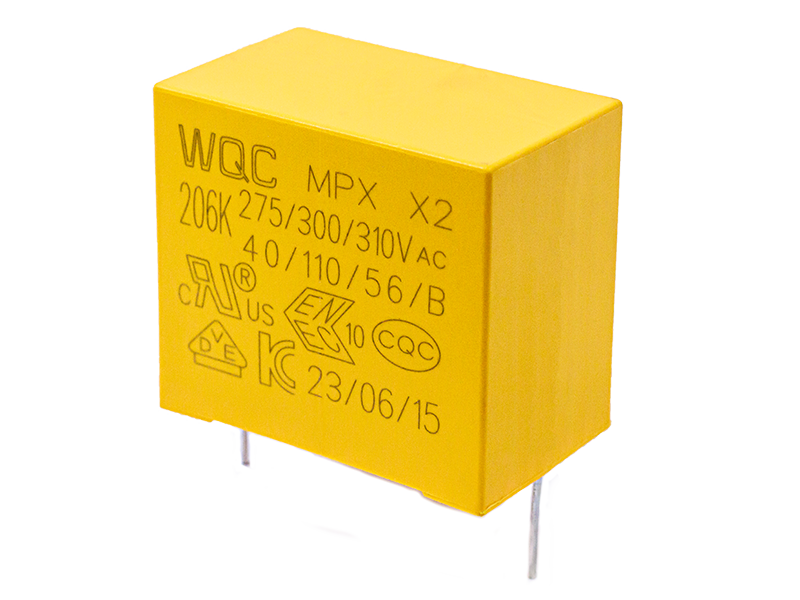
Capacity and voltage range from low to high, widely distributed. Can be applied to lighting and consumer electronics.
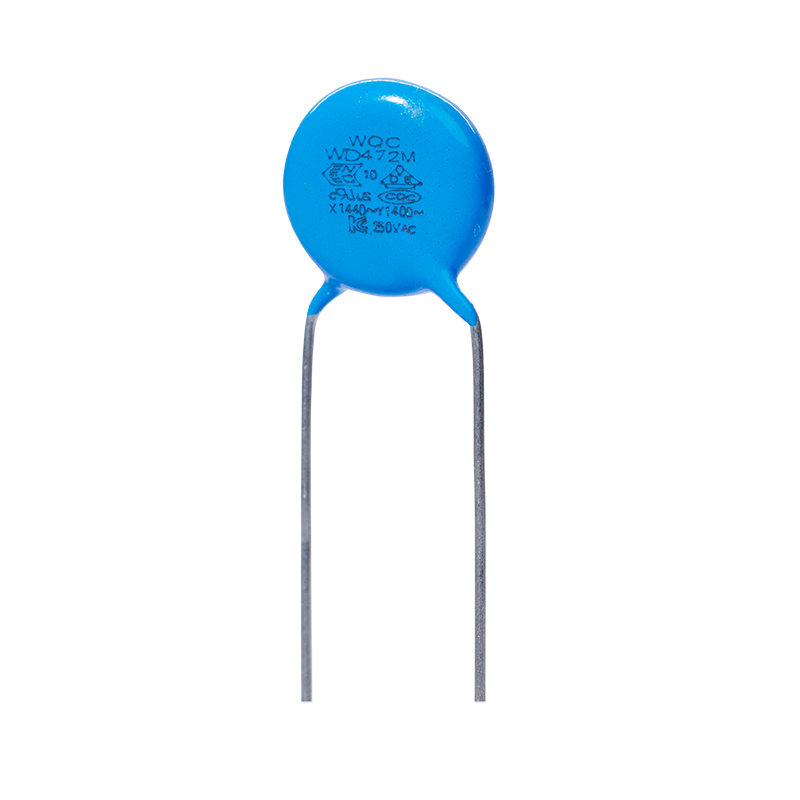
Capacity and voltage range from low to high, widely distributed. Can be applied to lighting and consumer electronics.
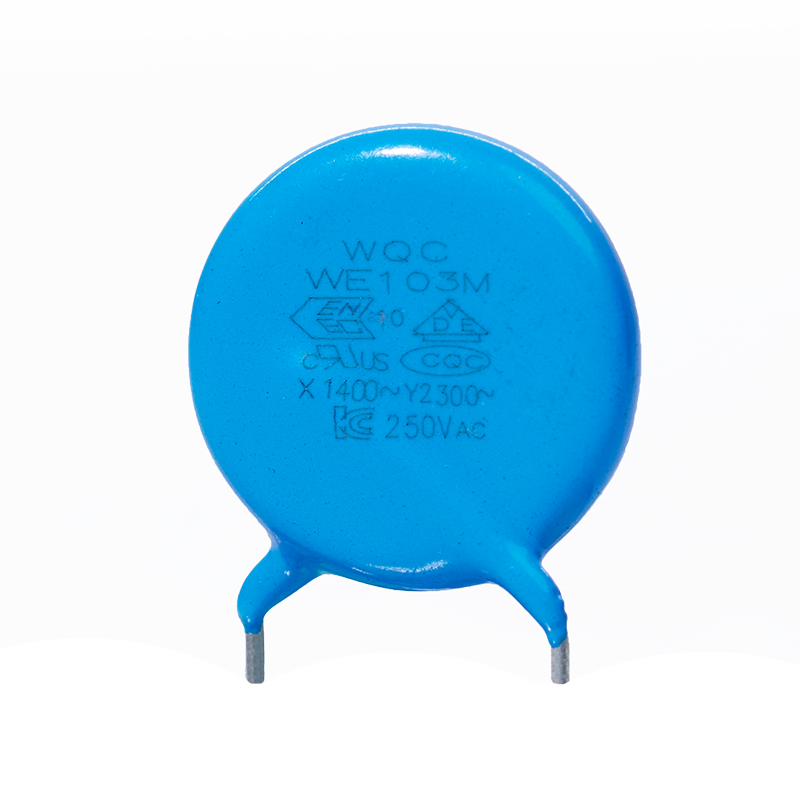
Capacity and voltage range from low to high, widely distributed. Can be applied to lighting and consumer electronics.
-
-
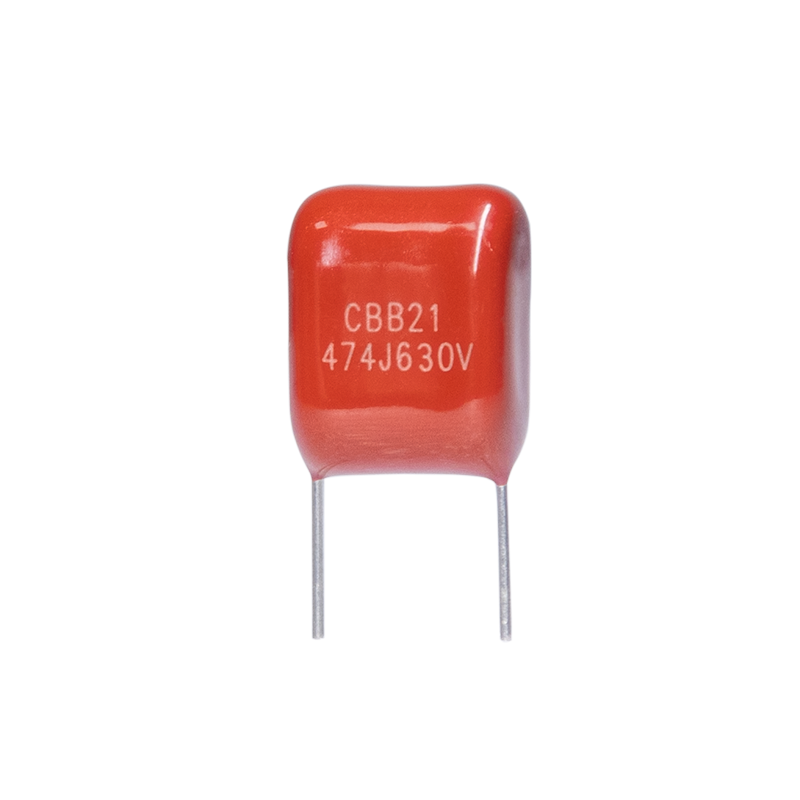
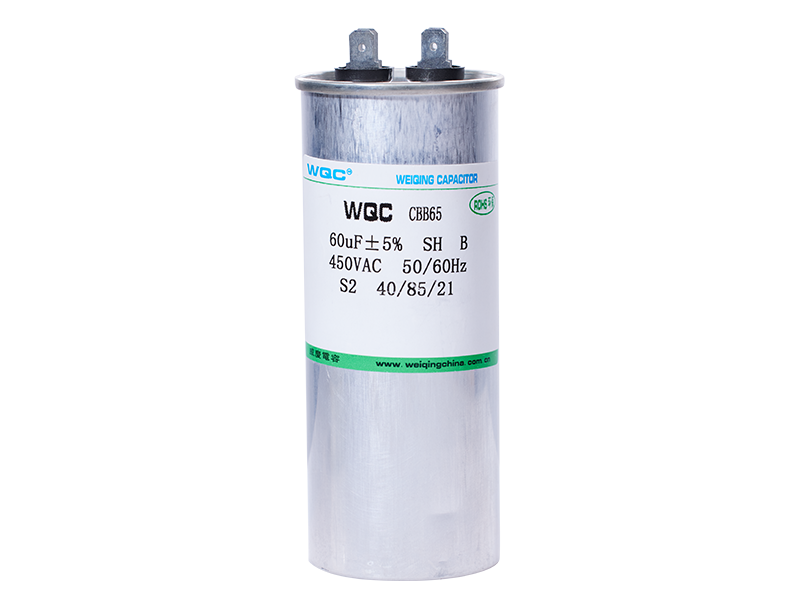
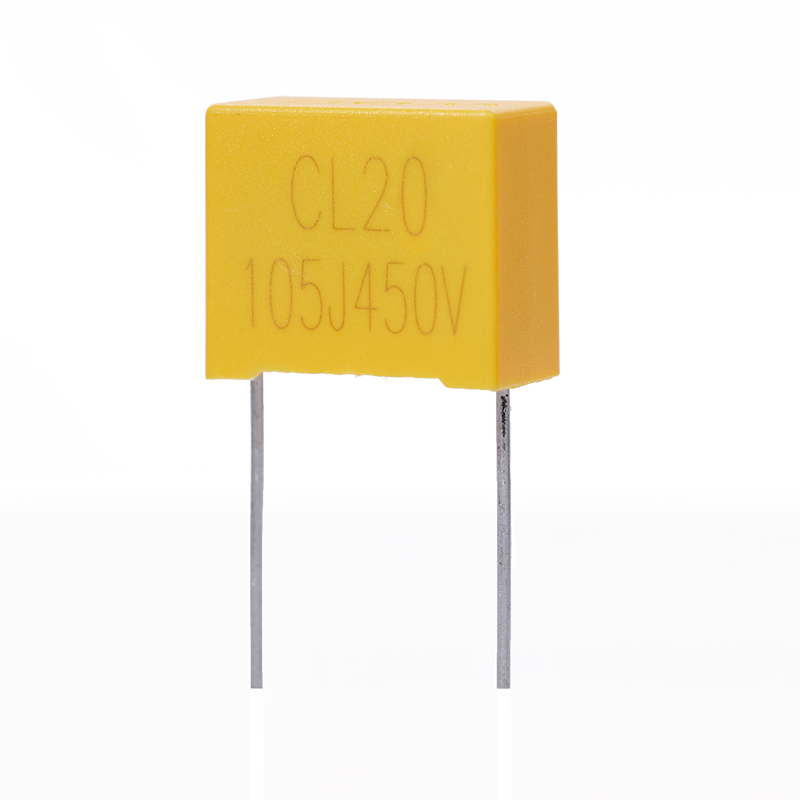
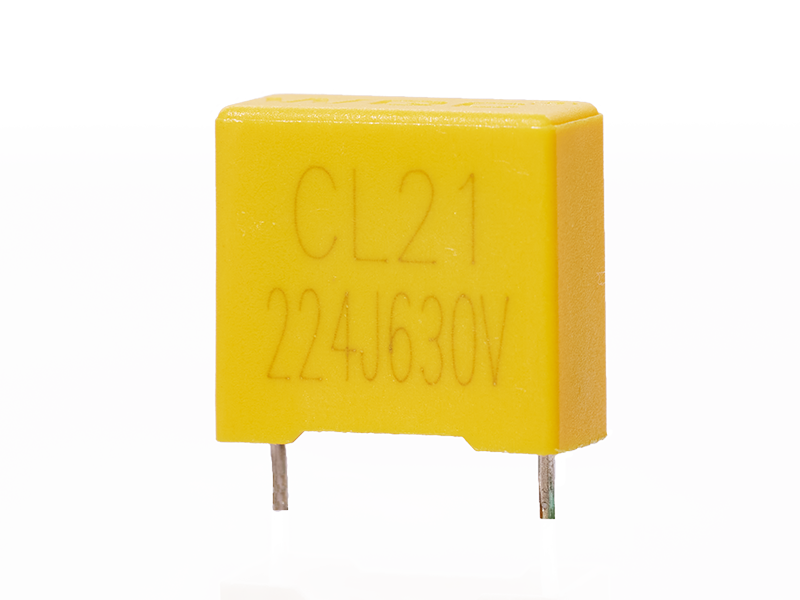
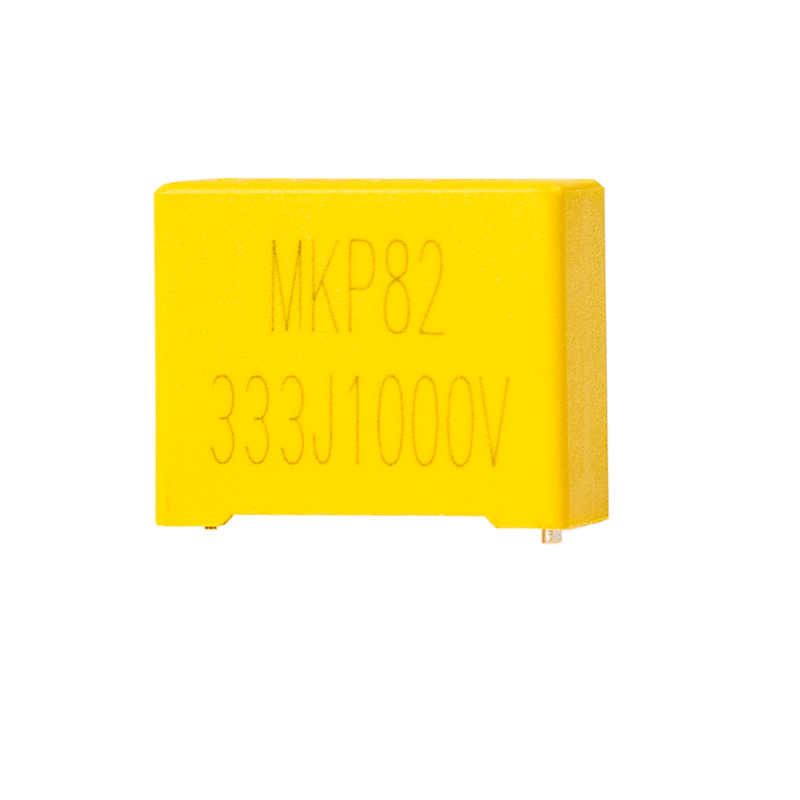
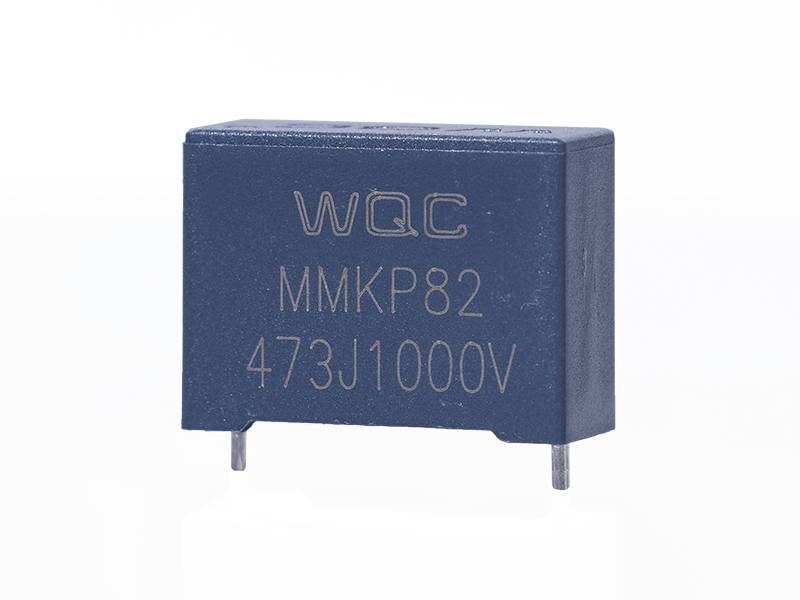
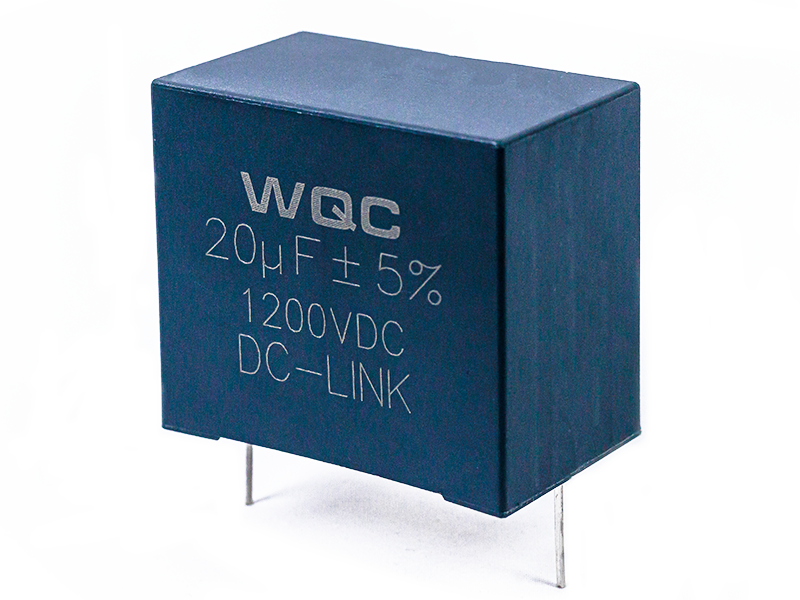

Resonant Capacitor: Complete Guide to Selection, Types & Applications 2026
Release time:
2026-10-15 07:33
Source:
📋 Overview
This guide breaks down everything you need to know about resonant capacitors, from core definitions to practical selection and troubleshooting. All content is based on actual manufacturing and testing experience from Weiqing Electronics, a trusted supplier at en.weiqingchina.com.
What Is a Resonant Capacitor?
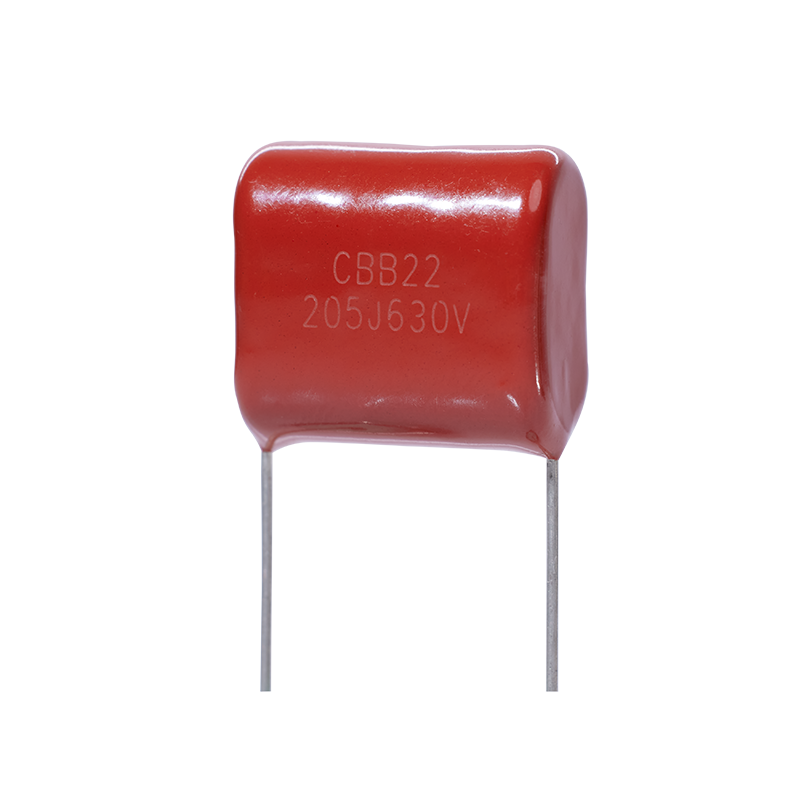
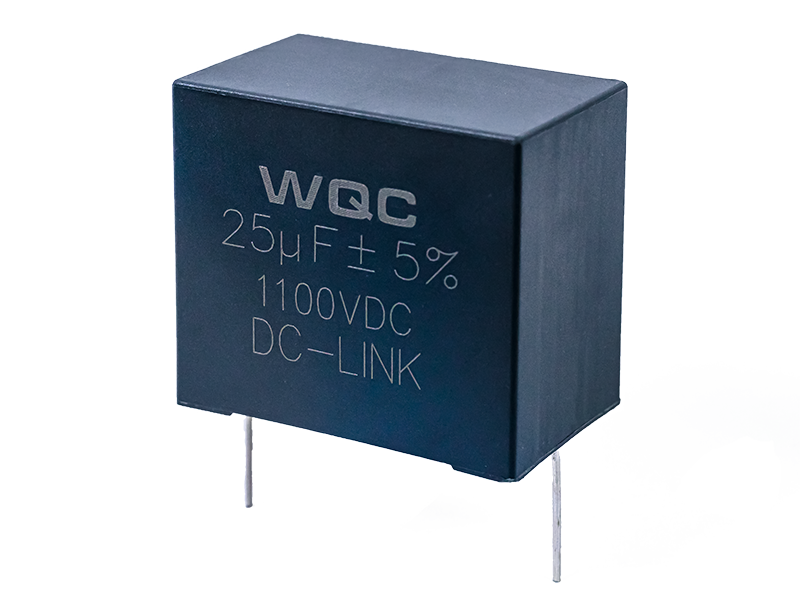
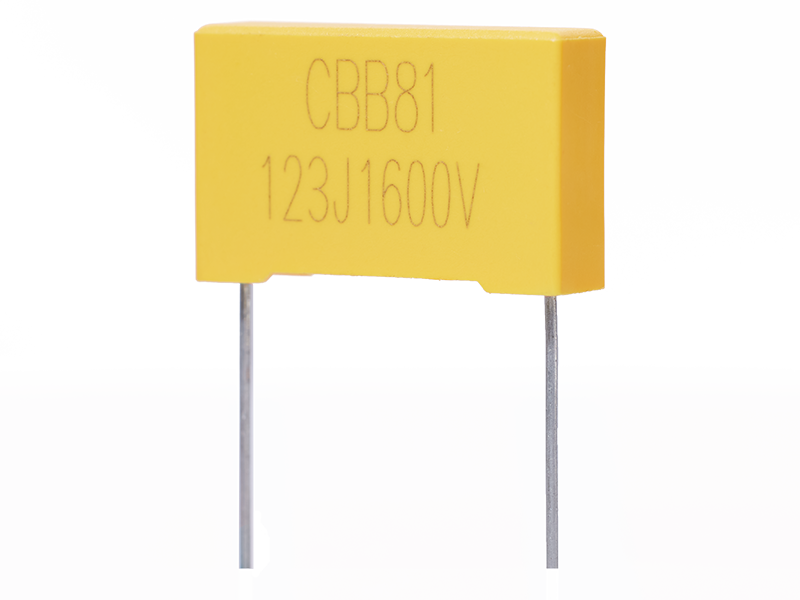
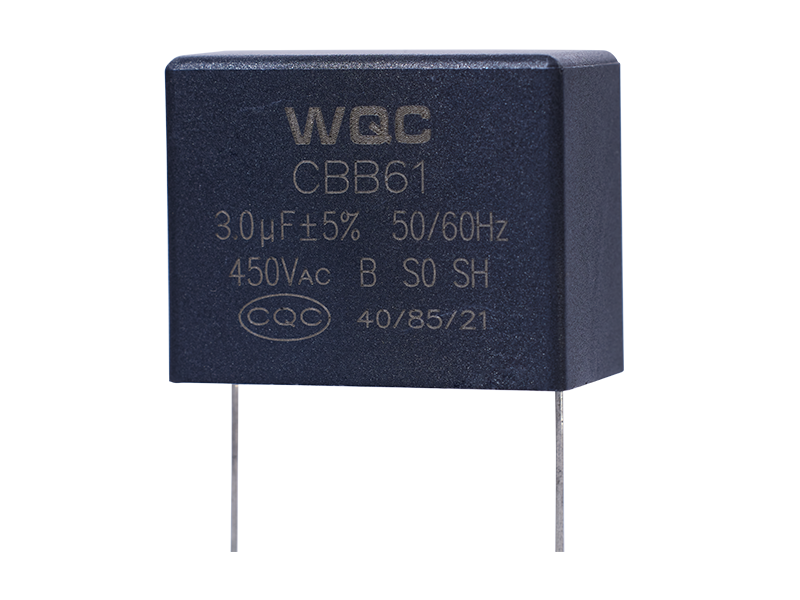
A resonant capacitor is a capacitor optimized for operation in resonant LC circuits to achieve stable resonance at a target frequency. Resonant capacitors work paired with inductors to filter specific frequencies, reduce switching losses, and stabilize circuit output. In practice, we have found that poor-quality resonant capacitors are the top cause of resonant frequency drift and low circuit efficiency in high-frequency designs. Industry consensus from 2026 IEEE power electronics research confirms that resonant capacitors are a core component for modern high-efficiency power conversion and RF circuits.
What makes resonant capacitors different from standard capacitors?
Unlike standard capacitors designed for general energy storage or filtering, resonant capacitors are specially optimized for low dielectric loss and stable capacitance across temperature and frequency changes. From actual testing, standard capacitors can have up to 10% capacitance drift at high frequencies, while high-quality resonant capacitors keep drift under 1% for consistent performance.
4 Step-by-Step Selection Process for Resonant Capacitors
Follow this proven selection framework to pick the right resonant capacitor for your project, developed from thousands of client cases at Weiqing Electronics:
- Confirm your target resonant frequency and matching inductor value, then calculate the required base capacitance using the standard LC resonance formula: C = 1/(4π²f₀²L)
- Select a voltage rating that is at least 1.5x the maximum operating voltage of your circuit to add a safety margin for long-term operation
- Choose the appropriate dielectric material based on your operating frequency range and temperature requirements
- Verify capacitance tolerance and temperature coefficient to ensure resonant frequency stays within your required design range

Image Source: unsplash
In practice, we recommend adding a 5% tolerance margin for capacitance to account for production and inductor value variations. 2026 component reliability data shows that following this step reduces field failure rates of resonant circuits by 32%.
Performance Comparison of Common Resonant Capacitor Types
Different dielectric materials have distinct performance characteristics for resonant applications. Below is a data-backed comparison of the two most widely used types:
| Comparison Dimension | COG Ceramic Resonant Capacitor | Polypropylene Film Resonant Capacitor |
|---|---|---|
| Temperature Coefficient | ±30 ppm/℃ | ±100 ppm/℃ |
| Max Operating Frequency | 100 MHz | 10 MHz |
| Typical Capacitance Range | 1 pF - 100 nF | 1 nF - 100 μF |
| Voltage Rating Range | 50V - 3kV | 100V - 10kV |
| Typical Application | High-frequency RF circuits | Medium-frequency power resonant circuits |
Recent industry tests show that COG ceramic resonant capacitors outperform other options for high-precision high-frequency applications, while polypropylene film capacitors offer better cost performance for high-voltage low-frequency power designs.
Common Applications of Resonant Capacitors
What industries use resonant capacitors most?
From Weiqing’s client case data, the largest application segments for resonant capacitors in 2026 are new energy vehicle onboard chargers, wireless charging systems, RF communication equipment, induction heating devices, and grid power tuning systems. 2026 market research shows that demand for automotive-grade resonant capacitors is growing 29% year-on-year, driven by the expansion of electric vehicle production.
Can resonant capacitors be used for high-power applications?
Yes, high-voltage polypropylene film resonant capacitors are designed specifically for high-power resonant applications like induction heating and medium-frequency DC-DC converters. In actual projects, we have supplied custom high-voltage resonant capacitors rated up to 12kV for industrial induction heating equipment that operate stably for over 100,000 hours.
Why Source Resonant Capacitors From Weiqing Electronics?
As a professional capacitor manufacturer with 18 years of export experience based in China, Weiqing Electronics builds resonant capacitors to meet global quality standards. All products are 100% tested for frequency stability and capacitance tolerance before delivery.
Does Weiqing support custom resonant capacitor specifications?
Yes, we support fully custom capacitance, voltage, and package specifications for industrial and commercial projects. For bulk orders over 1000 pieces, our standard lead time for custom resonant capacitors is 7-15 working days, which is 30% faster than the industry average.
Frequently Asked Questions
Q: What causes resonant capacitor failure in high-frequency circuits?
A: The most common causes are overvoltage operation, excessive heat buildup from high dielectric loss, and poor capacitance stability at operating temperatures. Choosing a properly rated resonant capacitor from a trusted manufacturer eliminates 90% of these failure issues.
Q: Can I get free samples of resonant capacitors from Weiqing Electronics?
A: Yes, Weiqing Electronics provides free sample services for qualified design and project clients. You can submit a sample request through our official website en.weiqingchina.com, and our team will respond within 1 working day.
Q: What tolerance should I choose for a resonant capacitor?
A: For high-precision RF applications, we recommend ±1% or ±2% tolerance. For general power resonant circuits, ±5% tolerance is sufficient to balance performance and cost.
Q: What is the typical lifespan of a high-quality resonant capacitor?
A: Under standard rated operating conditions, a high-quality resonant capacitor has a lifespan of at least 100,000 hours, which translates to over 11 years of continuous operation for most commercial and industrial applications.
This article was generated by AI and is for reference only.
Related News
2026 Complete Guide: What Is a Thin Film Capacitor, Uses & Selection Tips
This 2026 updated guide from Weiqing Electronics breaks down all essential information about thin film capacitors, from basic definitions to practical selection strategies. Drawing on our years of manufacturing and testing experience, we share real test data, industry insights, and objective comparisons to help you pick the right component for your electronic design.
2026 Complete Guide to Thin Film Capacitor: Selection, Types & Applications
This 2026 professional guide breaks down all key information about thin film capacitors, from basic working principles to practical selection tips. Drawing on over 30 years of manufacturing experience at Weiqing Electronics, it helps designers and procurement teams pick the right component, answering common questions and comparing performance across types.
Thin Film Capacitor: Types, Applications, Benefits & Selection Guide 2026
This complete 2026 guide covers all key aspects of thin film capacitors, including basic definitions, core types, performance advantages, common applications, and expert selection tips. Backed by Weiqing Electronics’ 20+ years of manufacturing experience and third-party industry data, this guide helps engineers and procurement professionals make informed decisions for consumer automotive, industrial, and aerospace electronic projects.
Resonant Capacitor 2026 Guide: Types, Selection & Applications for Engineers
This guide covers all core knowledge of resonant capacitors for 2026, from basic definitions and working principles to selection criteria and common application scenarios. We combine Weiqing Electronics’ decades of manufacturing and testing experience to deliver objective, professional insights, helping engineers and procurement professionals avoid common selection mistakes and improve circuit performance.
Resonant Capacitor: Complete 2026 Guide for Selection and Applications
This 2026 expert guide from Weiqing Electronics breaks down all key information about resonant capacitors, from core definitions and working principles to practical selection tips and troubleshooting. It includes in-house test data and real-world experience to help you pick the right component for your project.
Complete 2026 Guide: How to Choose a Reliable Capacitor Manufacturing Plant
This guide covers all critical aspects of sourcing from a professional capacitor manufacturing plant, from quality control protocols to production capacity and custom design support. We draw on 20+ years of hands-on production experience, 2026 industry data, and answer common questions to help you avoid sourcing risks. Whether you need prototypes or bulk production, this guide helps you make an informed decision.
Service Hotline:
Contact
Phone: +86 13826981362
Tel:+86 076988956188
E-mail: wqc001@weiqingchina.com.cn
Address: Weiqing Electronics Co., Ltd., Floor 1, Building 12, No.7, Science and Technology 10th Road, Songshan Lake High-tech Development Zone, Songshan Lake Administrative Committee, Dongguan City, Guangdong Province
Mobile Website

Scan Consultation