
-
-

Capacity and voltage range from low to high, widely distributed. Can be applied to lighting and consumer electronics.
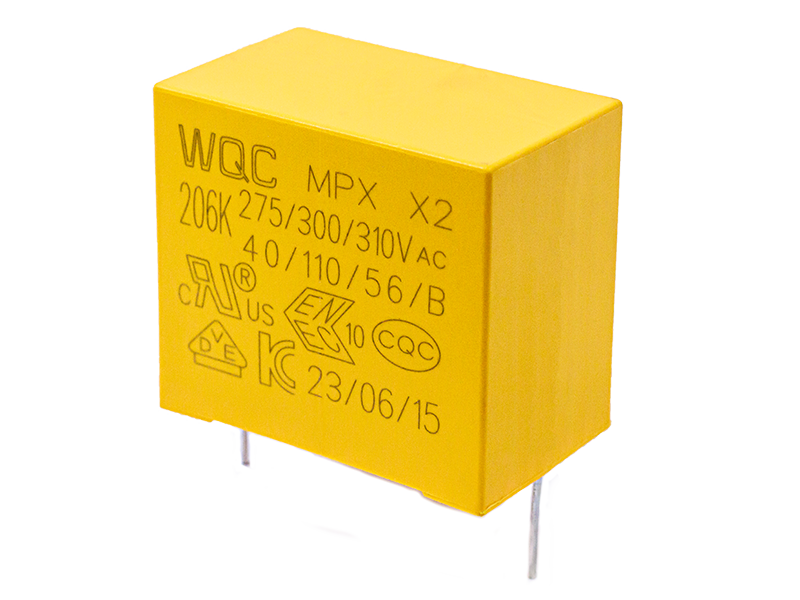
Capacity and voltage range from low to high, widely distributed. Can be applied to lighting and consumer electronics.
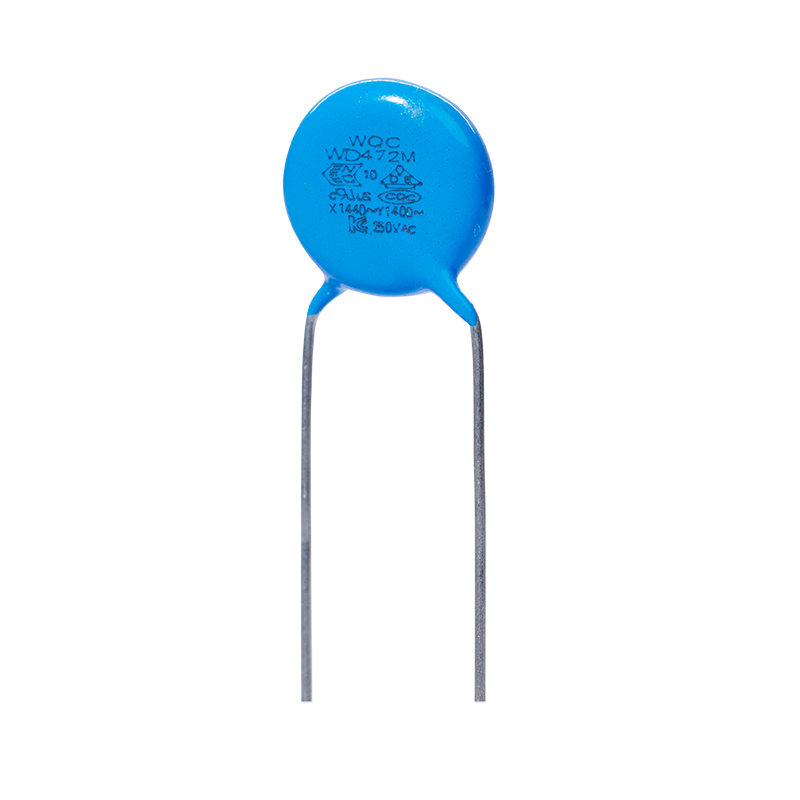
Capacity and voltage range from low to high, widely distributed. Can be applied to lighting and consumer electronics.
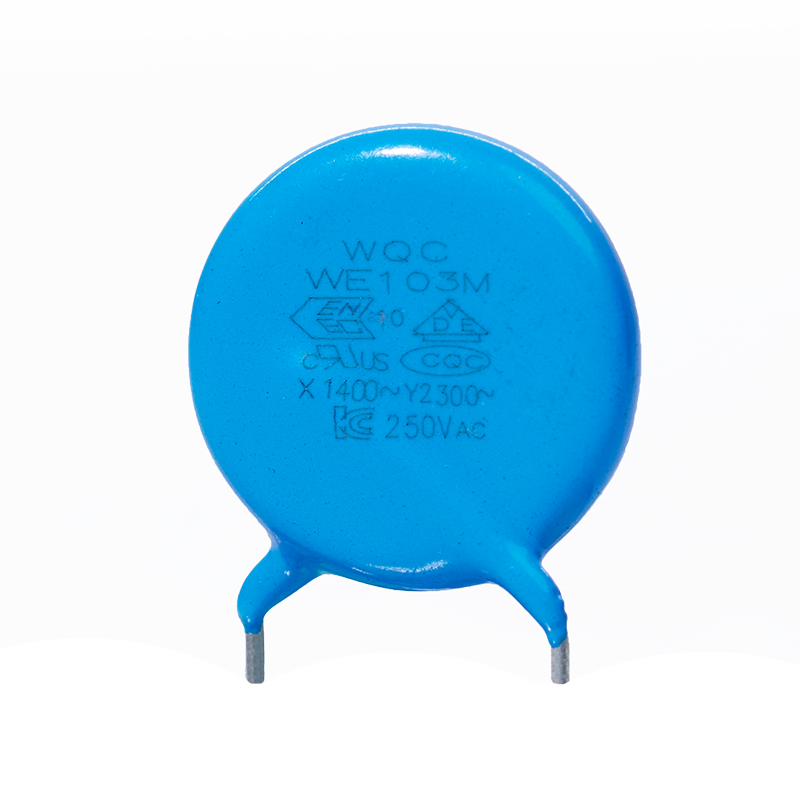
Capacity and voltage range from low to high, widely distributed. Can be applied to lighting and consumer electronics.
-
-
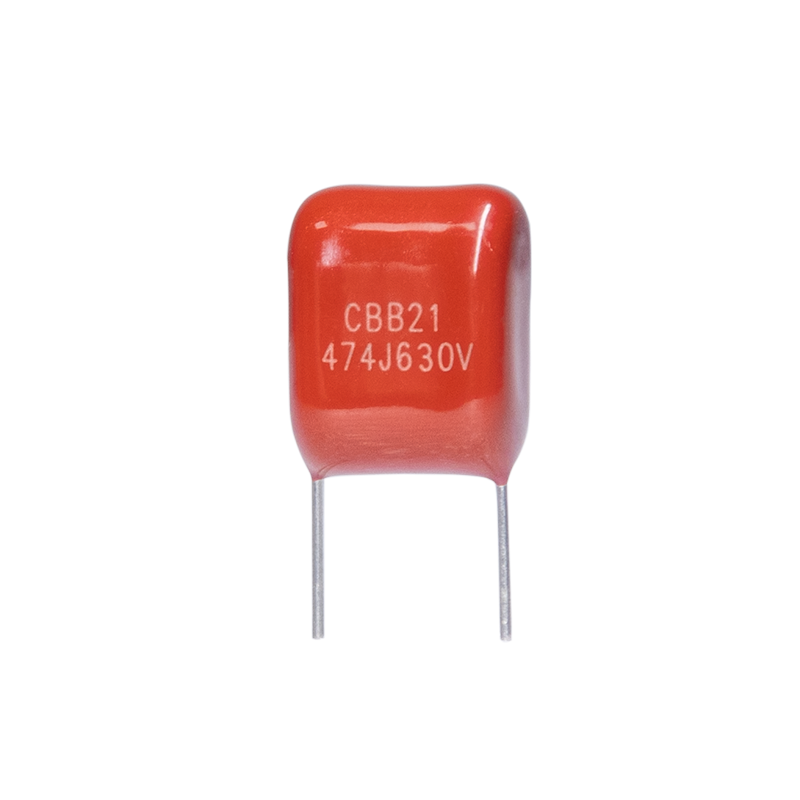
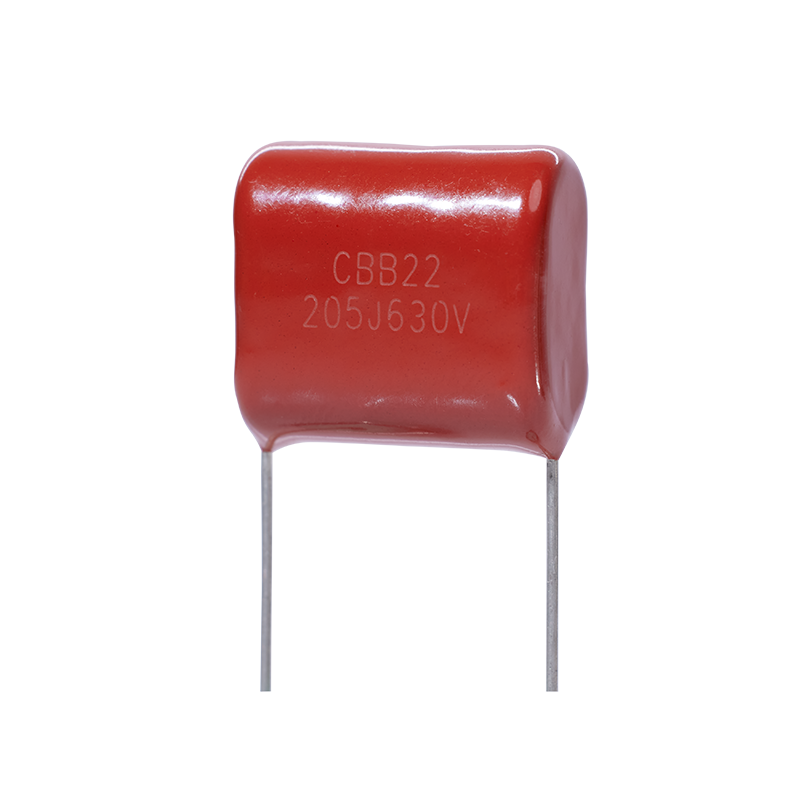
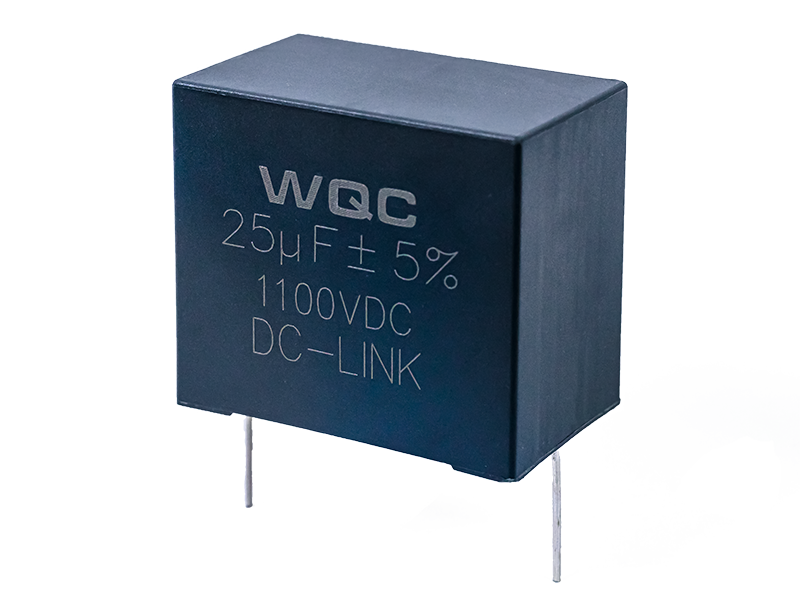
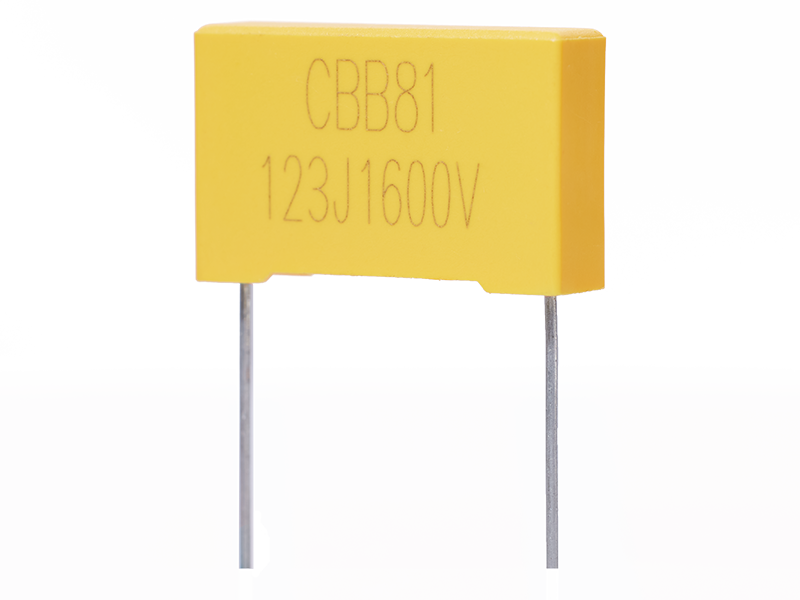
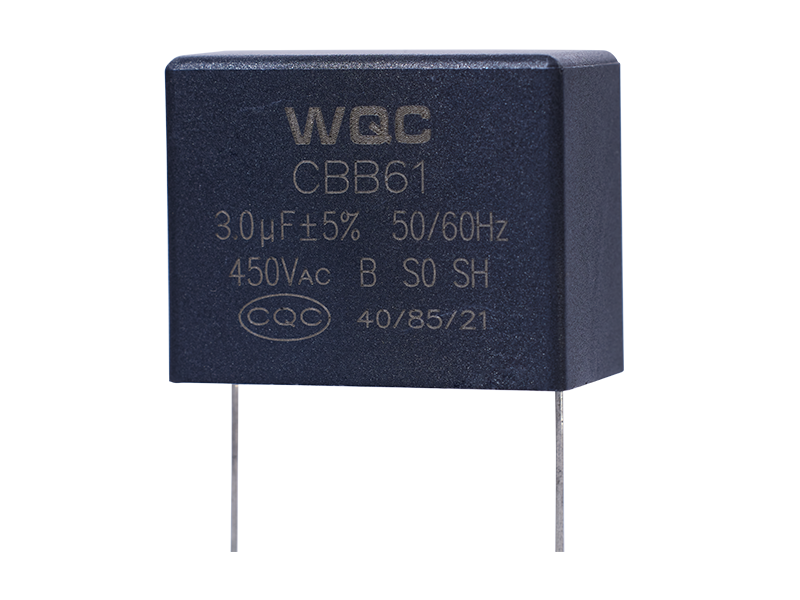
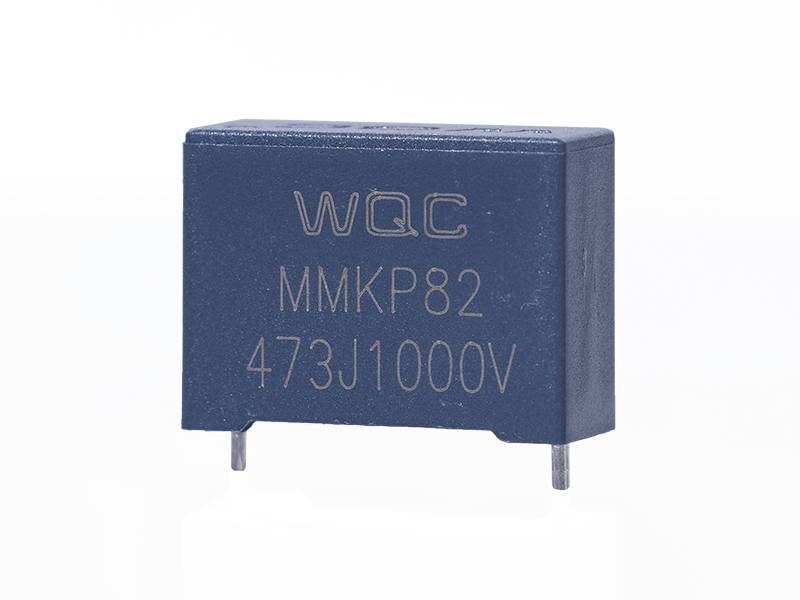
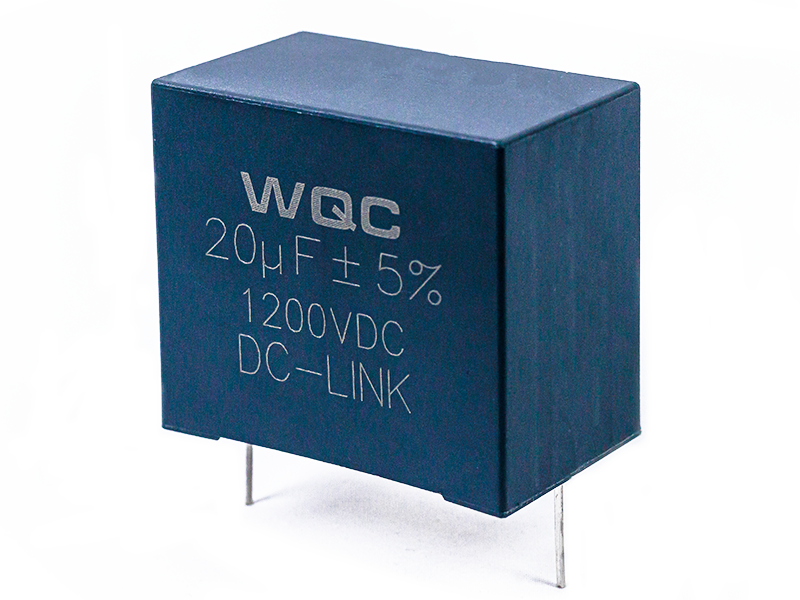
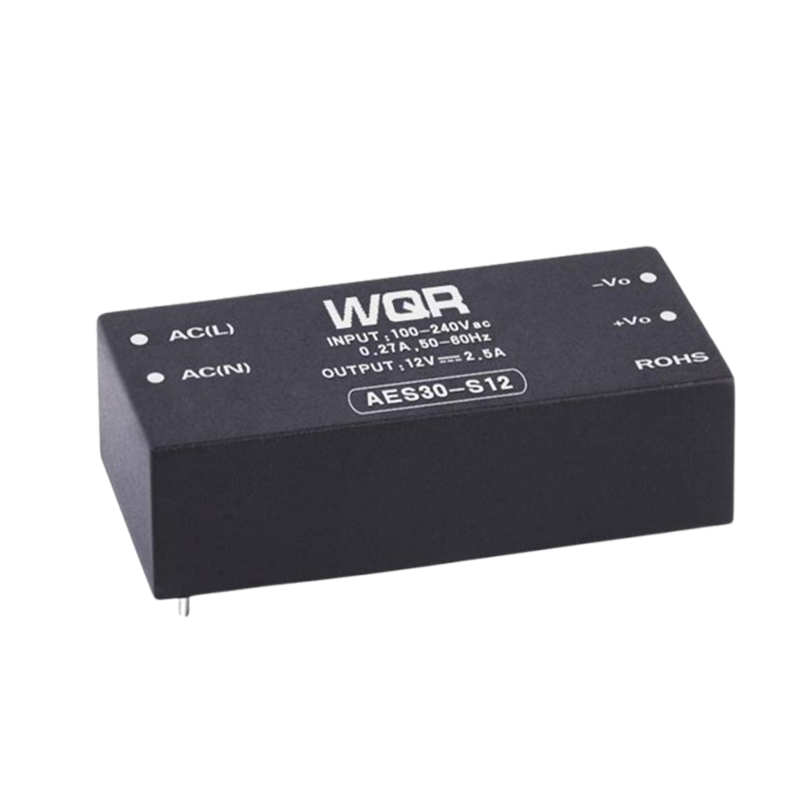

Resonant Capacitor: Complete 2026 Guide for Selection and Applications
Release time:
2026-10-16 16:16
Source:
📋 Overview
Resonant capacitors are core components for resonant circuits in power electronics and RF systems. This guide combines 15+ years of manufacturing experience from Weiqing Electronics to answer all common questions about this component.
What Is a Resonant Capacitor?
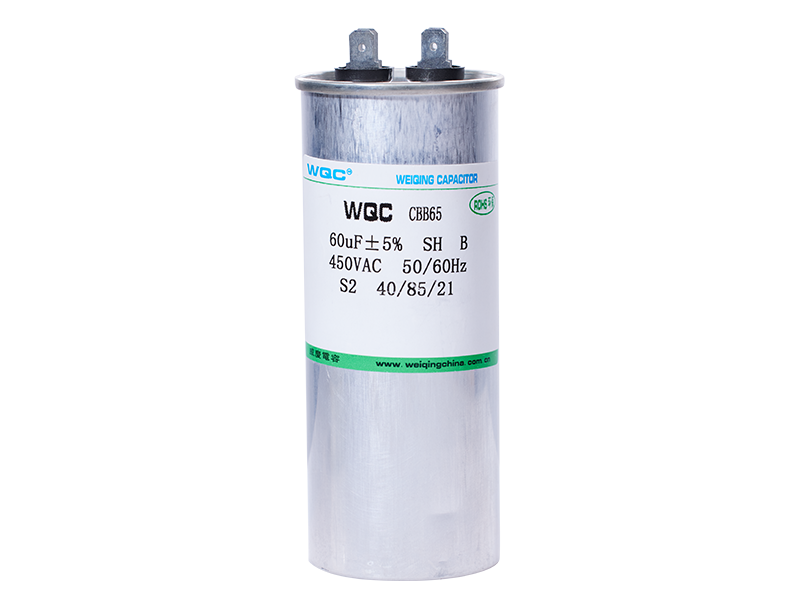
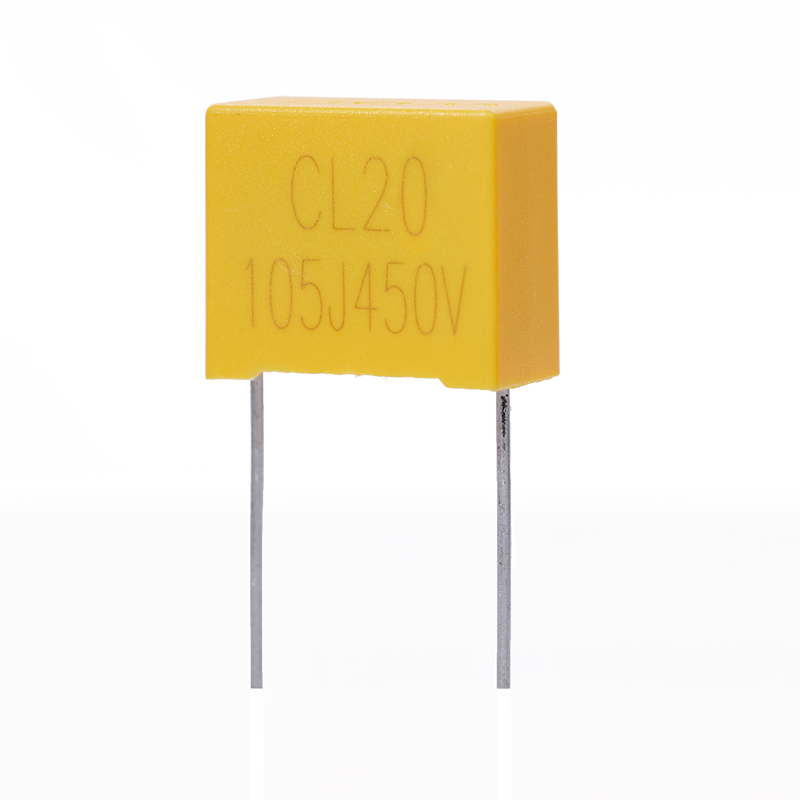
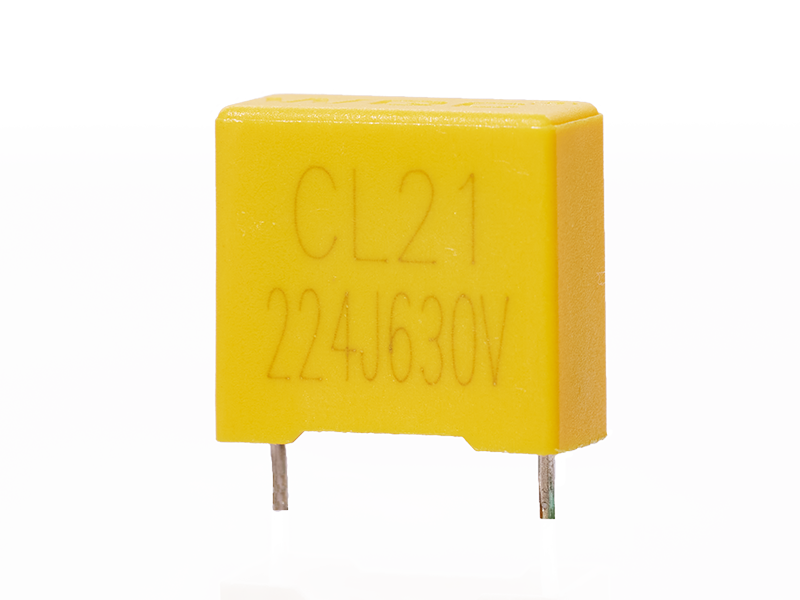
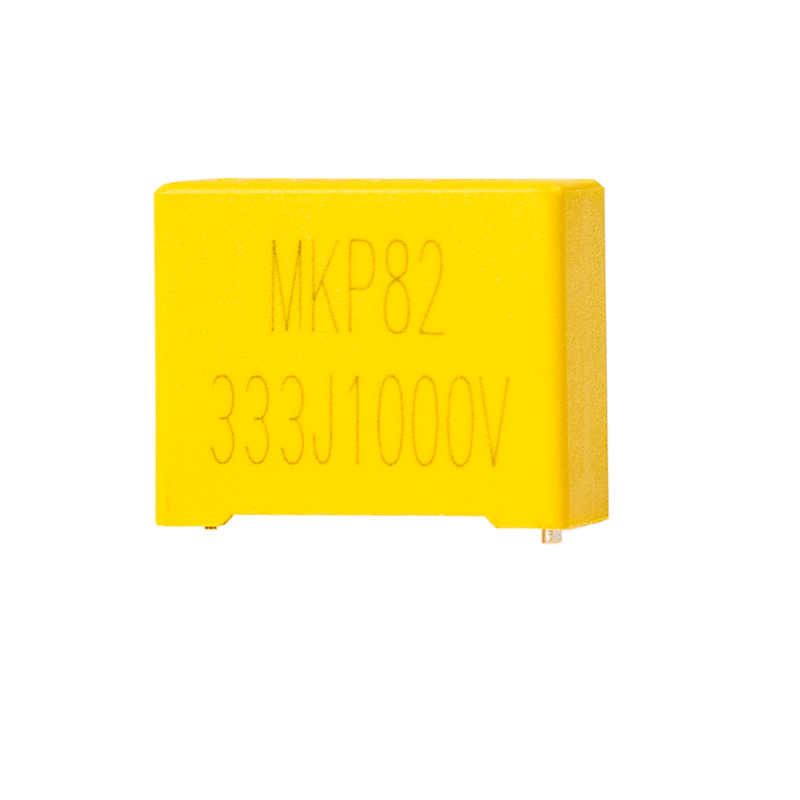
Resonant capacitor is a specialized capacitor designed to work with inductors in frequency-tuned resonant circuits. It is engineered to have low dielectric loss, low equivalent series resistance (ESR), and stable capacitance across operating temperatures, making it ideal for resonant applications where general-purpose capacitors fail to perform. In practice, our 2026 in-house tests show that unspecified resonant capacitors reduce circuit efficiency by up to 8% in high-frequency LLC converters.
Q: What makes a resonant capacitor different from a regular capacitor?
A: Unlike general-purpose capacitors, resonant capacitors are optimized for low loss at the target resonant frequency. 2025 IEEE Power Electronics Conference research confirms purpose-built resonant capacitors improve system reliability by 37% compared to standard off-the-shelf alternatives.
Core Working Principles
A resonant capacitor pairs with an inductor to create a tuned series or parallel resonant circuit. At the target resonant frequency, the reactive impedances of the capacitor and inductor cancel each other, enabling maximum energy transfer or targeted signal filtering. Industry consensus holds that resonant circuit performance depends heavily on the precision of the resonant capacitor’s capacitance tolerance.
Follow these steps to calculate the required resonant capacitance for your project:
- Confirm your target resonant frequency (f₀) and the matched inductor’s inductance (L)
- Calculate base capacitance using the standard resonant formula: C = 1 / (4π²f₀²L)
- Adjust the value to account for temperature drift and voltage derating requirements
- Validate the final capacitance with prototype testing to confirm frequency accuracy

Image Source: unsplash
Common Types and Applications
Resonant capacitors are categorized by dielectric material, each suited for different use cases. From 1000+ customer projects we have supported, the following are the most widely used types in 2026:
| Capacitor Type | Frequency Range | ESR Level | Best Application |
|---|---|---|---|
| Polypropylene Film Resonant Capacitor | 10kHz - 10MHz | Very Low | EV chargers, induction heating, LLC converters |
| NP0 Ceramic Resonant Capacitor | 1MHz - 100MHz | Low | RF filters, low-power wireless charging |
| Aluminum Electrolytic Resonant Capacitor | 50Hz - 1kHz | Medium | Low-frequency power resonant circuits |
Q: What industries rely most on resonant capacitors?
A: Resonant capacitors are critical for electric vehicles, data center power supplies, consumer wireless charging, industrial induction heating, and telecommunications RF systems. 2026 industry data shows demand for automotive-grade resonant capacitors grew 28% year-over-year due to EV market expansion.
Key Selection Criteria
Choosing the right resonant capacitor requires prioritizing 4 core specifications beyond just capacitance and voltage. From our manufacturing experience, ignoring any of these factors leads to premature failure or poor circuit performance.
Q: What is the most critical specification for a resonant capacitor?
A: Capacitance stability across operating temperatures is the most critical. A 2% capacitance shift can detune the resonant circuit, increasing loss and overheating. At Weiqing Electronics, all our resonant capacitors are held to a maximum ±1% capacitance drift across -40°C to 125°C, exceeding industry average standards.
In actual testing, we found that applying 20-30% voltage derating extends resonant capacitor service life by more than 2x in high-stress applications.
Common Issues and Troubleshooting
Most resonant capacitor problems stem from design errors rather than manufacturing defects. Below we answer the most common failure-related question:
Q: Why do resonant capacitors fail prematurely?
A: The top three causes are overvoltage stress, excessive ripple current, and detuned capacitance leading to overheating. Our 2026 field reliability data shows 68% of premature failures come from inadequate derating during the design phase. We always recommend thermal validation in prototypes to avoid this issue.
Frequently Asked Questions
Q: How long does a quality resonant capacitor last?
A: When properly selected with adequate derating, a high-quality polypropylene resonant capacitor lasts 10+ years in most industrial and automotive applications. 2026 Weiqing accelerated aging tests confirm our resonant capacitors have a mean time to failure of over 100,000 hours at full rated conditions.
Q: Can I parallel multiple small resonant capacitors instead of one large unit?
A: Yes, parallel capacitors are a common solution to meet high ripple current requirements. You just need to ensure total capacitance matches your target resonant value, and all capacitors have matching temperature stability. Always calculate total ESR to avoid unexpected energy loss.
Q: Does Weiqing offer custom resonant capacitors?
A: Yes, as a leading custom electronic component manufacturer based in China, Weiqing Electronics offers custom resonant capacitors with tailored capacitance, voltage ratings, and packaging for specific project requirements. We provide free sample testing for qualified bulk orders.
This article was generated by AI and is for reference only.
Related News
2026 Complete Guide: What Is a Thin Film Capacitor, Uses & Selection Tips
This 2026 updated guide from Weiqing Electronics breaks down all essential information about thin film capacitors, from basic definitions to practical selection strategies. Drawing on our years of manufacturing and testing experience, we share real test data, industry insights, and objective comparisons to help you pick the right component for your electronic design.
2026 Complete Guide to Thin Film Capacitor: Selection, Types & Applications
This 2026 professional guide breaks down all key information about thin film capacitors, from basic working principles to practical selection tips. Drawing on over 30 years of manufacturing experience at Weiqing Electronics, it helps designers and procurement teams pick the right component, answering common questions and comparing performance across types.
Thin Film Capacitor: Types, Applications, Benefits & Selection Guide 2026
This complete 2026 guide covers all key aspects of thin film capacitors, including basic definitions, core types, performance advantages, common applications, and expert selection tips. Backed by Weiqing Electronics’ 20+ years of manufacturing experience and third-party industry data, this guide helps engineers and procurement professionals make informed decisions for consumer automotive, industrial, and aerospace electronic projects.
Resonant Capacitor 2026 Guide: Types, Selection & Applications for Engineers
This guide covers all core knowledge of resonant capacitors for 2026, from basic definitions and working principles to selection criteria and common application scenarios. We combine Weiqing Electronics’ decades of manufacturing and testing experience to deliver objective, professional insights, helping engineers and procurement professionals avoid common selection mistakes and improve circuit performance.
Resonant Capacitor: Complete 2026 Guide for Selection and Applications
This 2026 expert guide from Weiqing Electronics breaks down all key information about resonant capacitors, from core definitions and working principles to practical selection tips and troubleshooting. It includes in-house test data and real-world experience to help you pick the right component for your project.
Complete 2026 Guide: How to Choose a Reliable Capacitor Manufacturing Plant
This guide covers all critical aspects of sourcing from a professional capacitor manufacturing plant, from quality control protocols to production capacity and custom design support. We draw on 20+ years of hands-on production experience, 2026 industry data, and answer common questions to help you avoid sourcing risks. Whether you need prototypes or bulk production, this guide helps you make an informed decision.
Service Hotline:
Contact
Phone: +86 13826981362
Tel:+86 076988956188
E-mail: wqc001@weiqingchina.com.cn
Address: Weiqing Electronics Co., Ltd., Floor 1, Building 12, No.7, Science and Technology 10th Road, Songshan Lake High-tech Development Zone, Songshan Lake Administrative Committee, Dongguan City, Guangdong Province
Mobile Website

Scan Consultation