
-
-

Capacity and voltage range from low to high, widely distributed. Can be applied to lighting and consumer electronics.
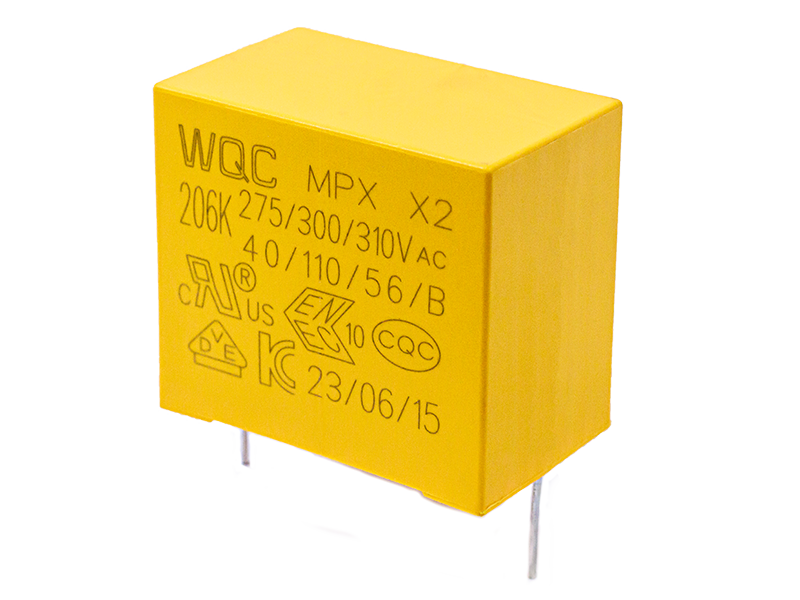
Capacity and voltage range from low to high, widely distributed. Can be applied to lighting and consumer electronics.
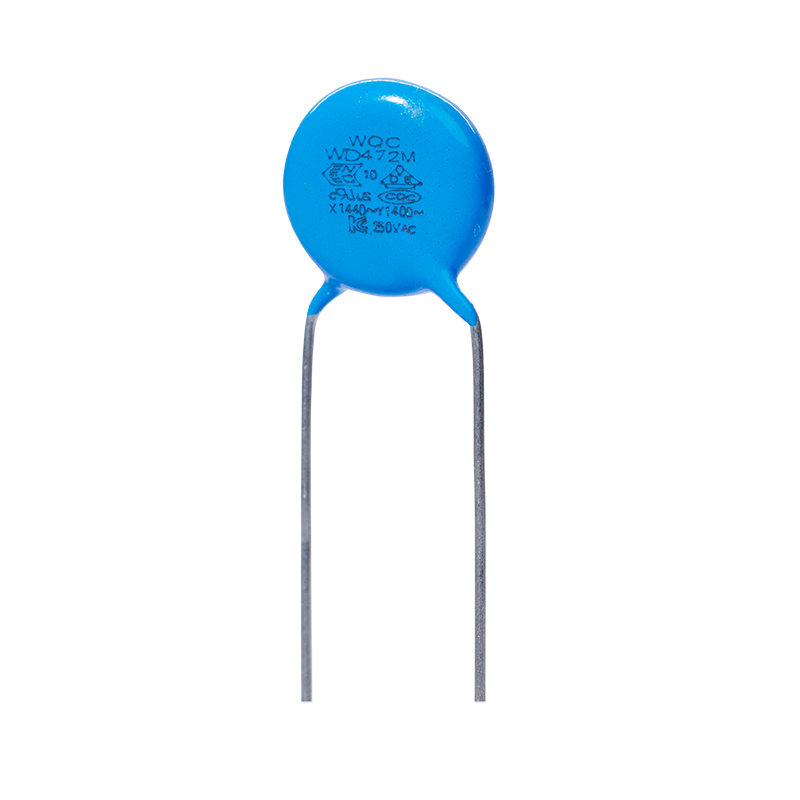
Capacity and voltage range from low to high, widely distributed. Can be applied to lighting and consumer electronics.
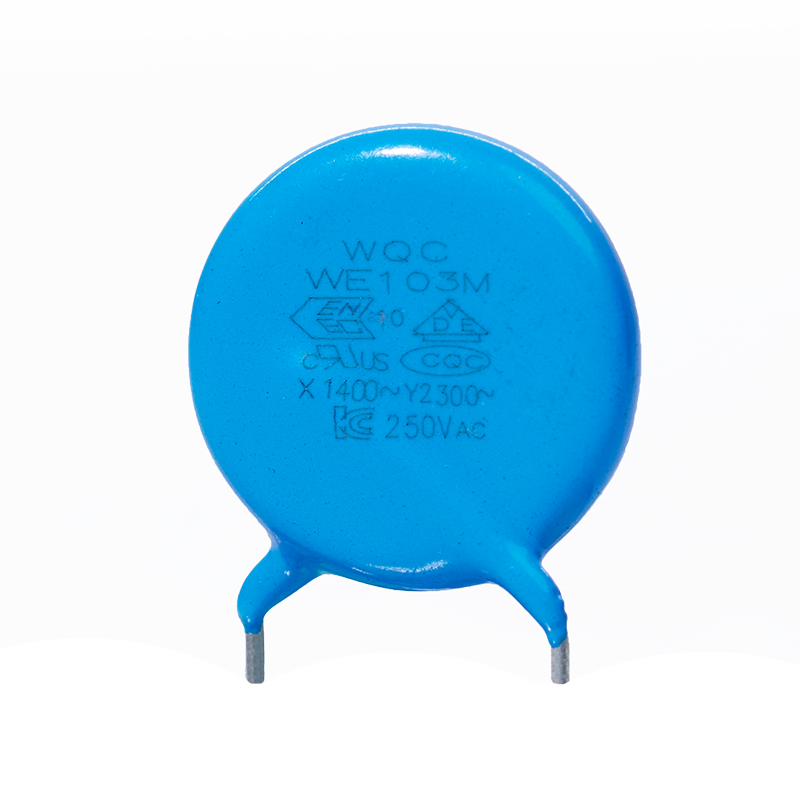
Capacity and voltage range from low to high, widely distributed. Can be applied to lighting and consumer electronics.
-
-
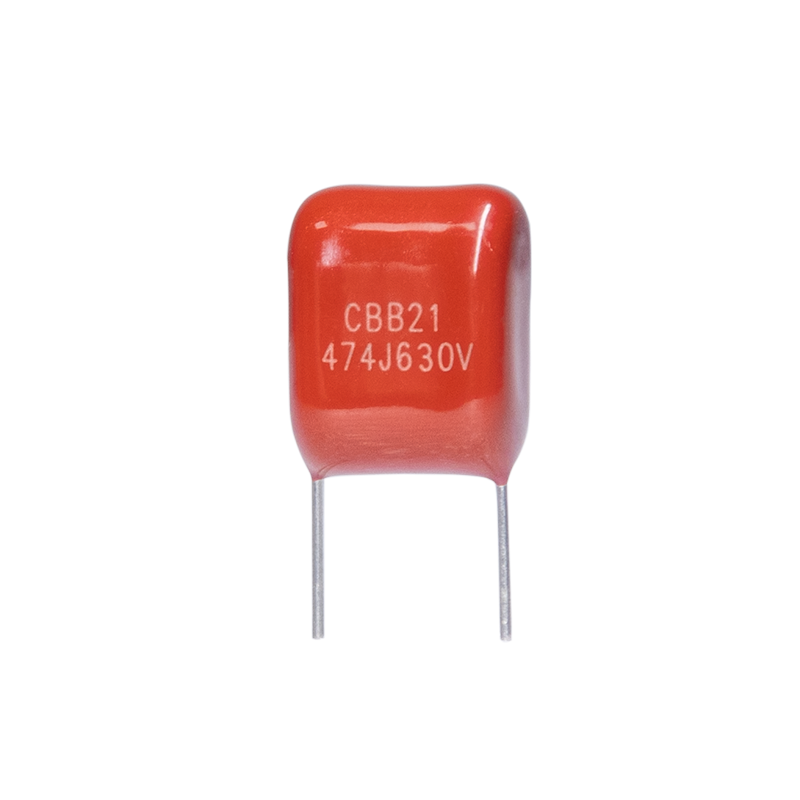
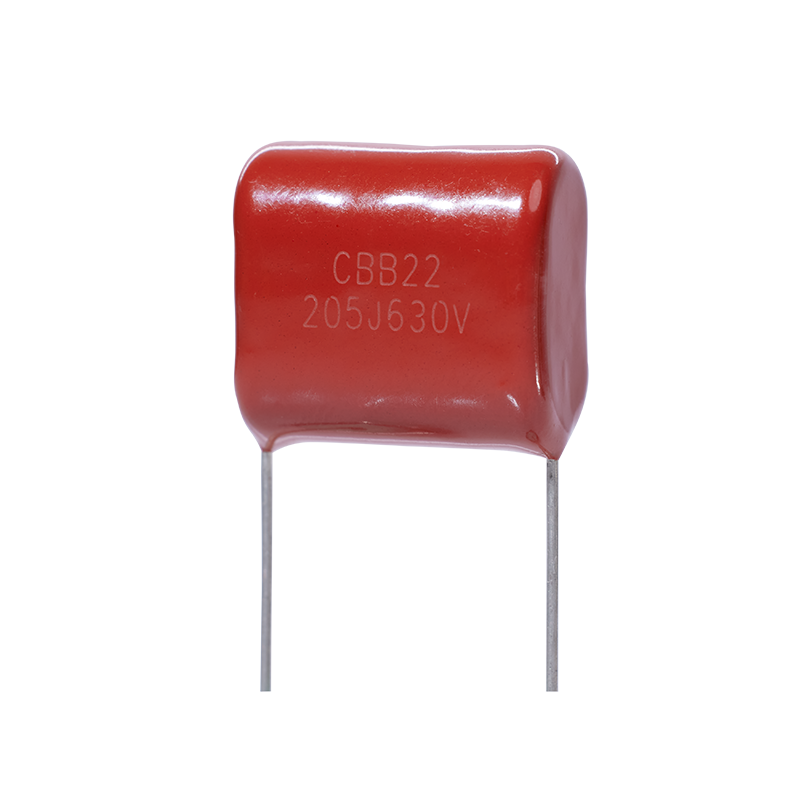
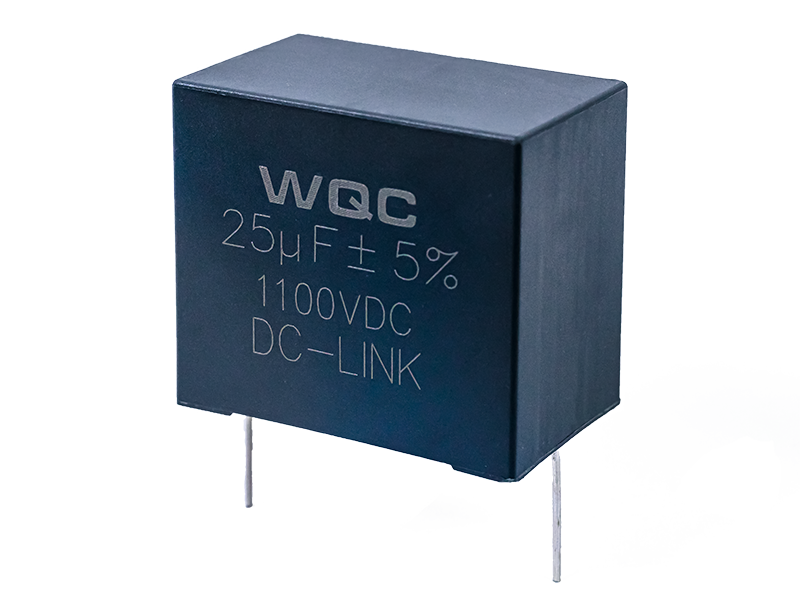
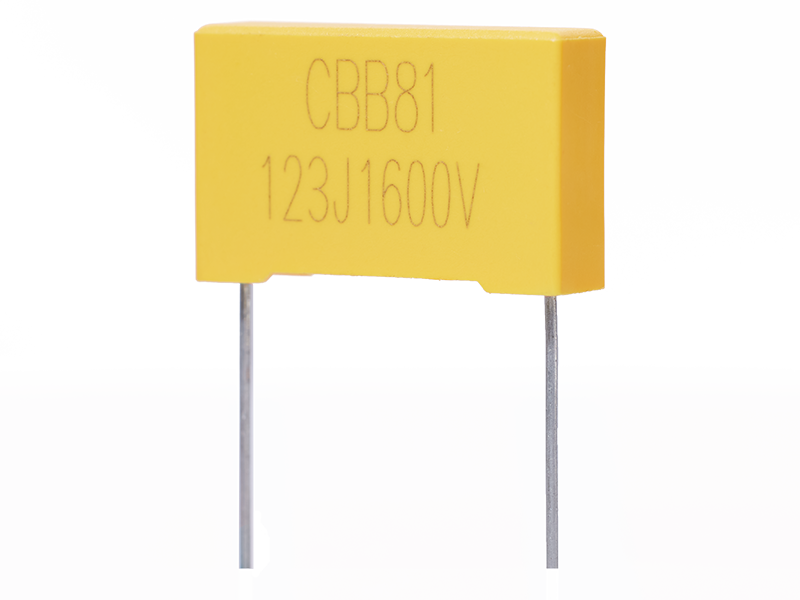
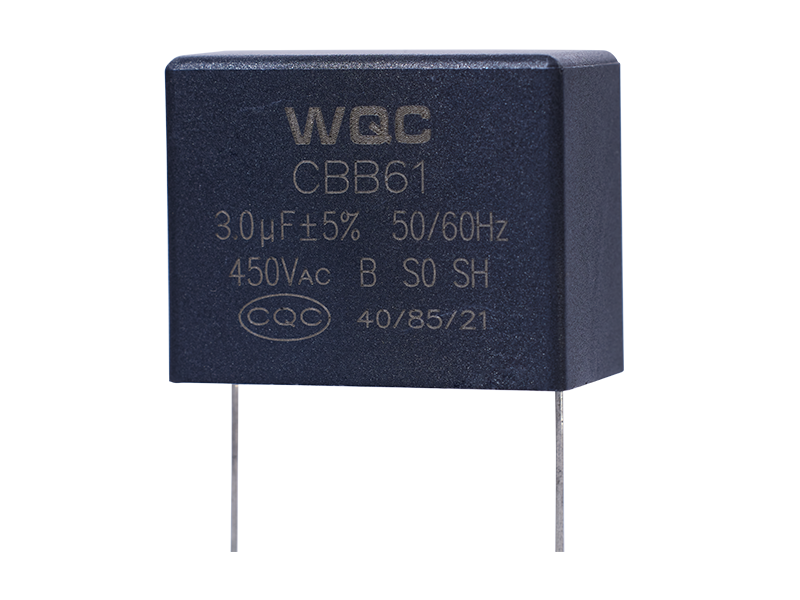
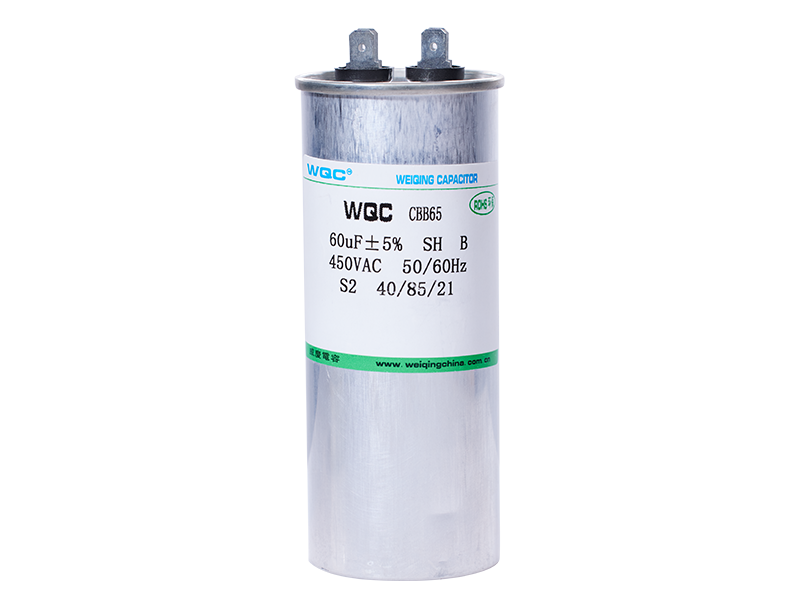
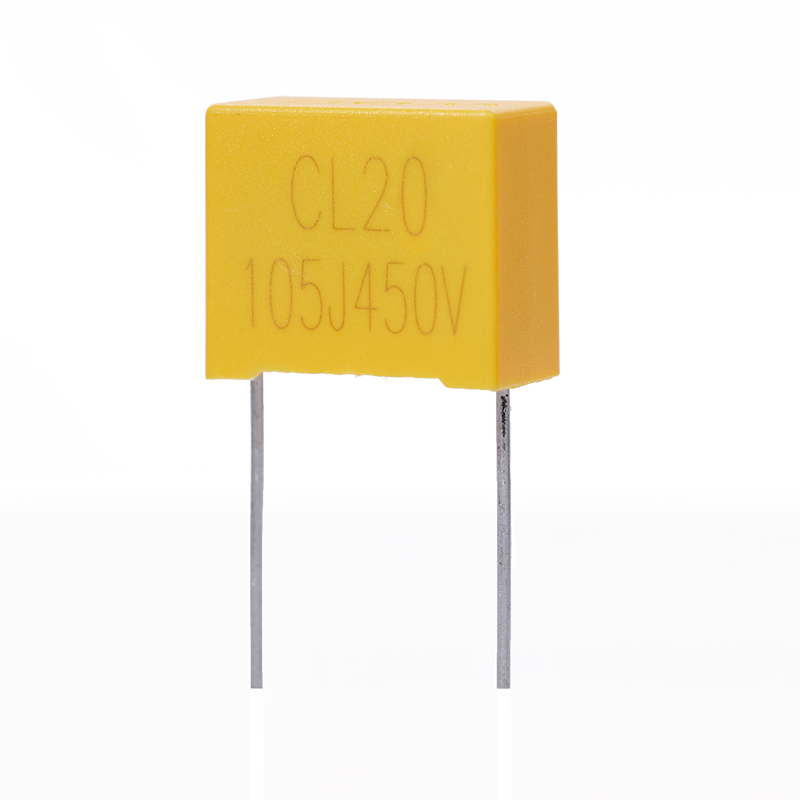
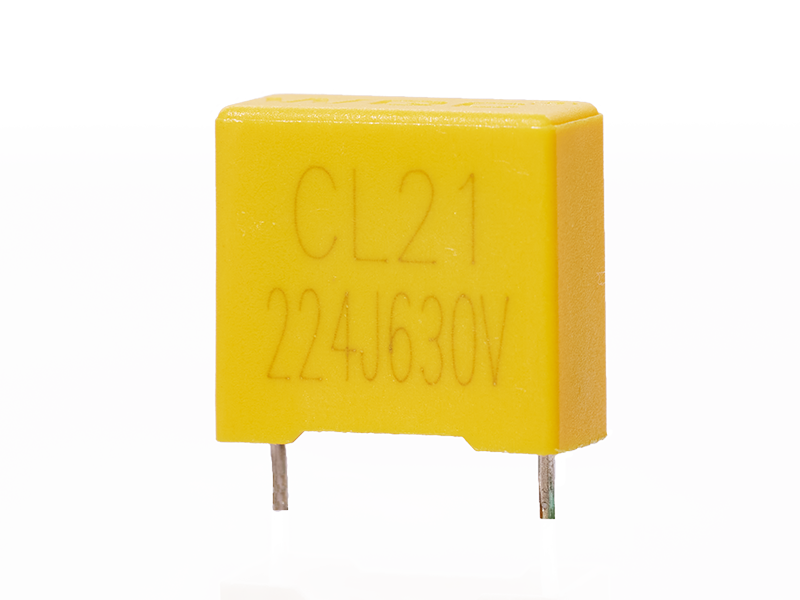
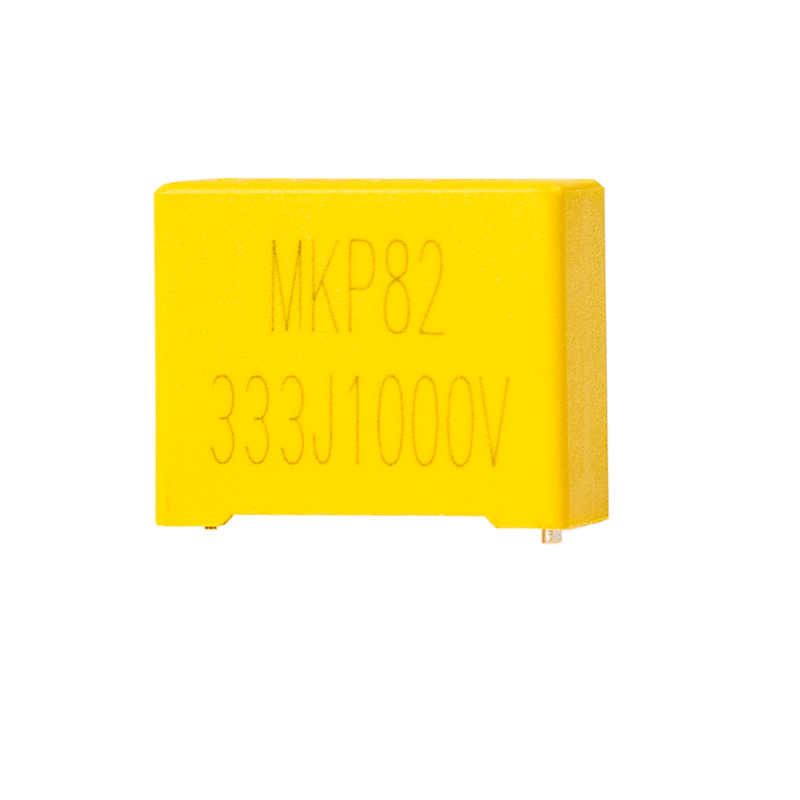

2026 Complete Guide to Thin Film Capacitor: Selection, Types & Applications
Release time:
2026-10-18 11:23
Source:
📋 Overview
This guide is built for electronic designers, component buyers and engineering teams looking for reliable, up-to-date information about thin film capacitors, with practical insights from a leading component manufacturer.
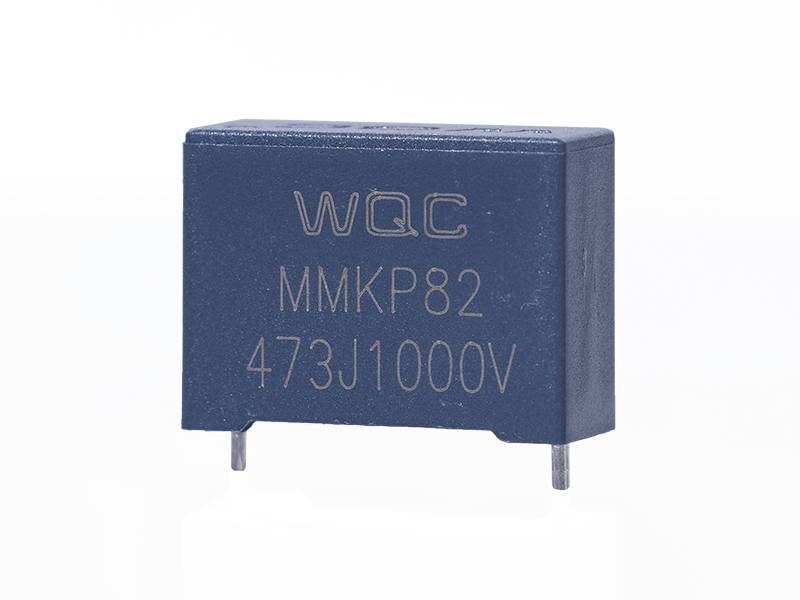
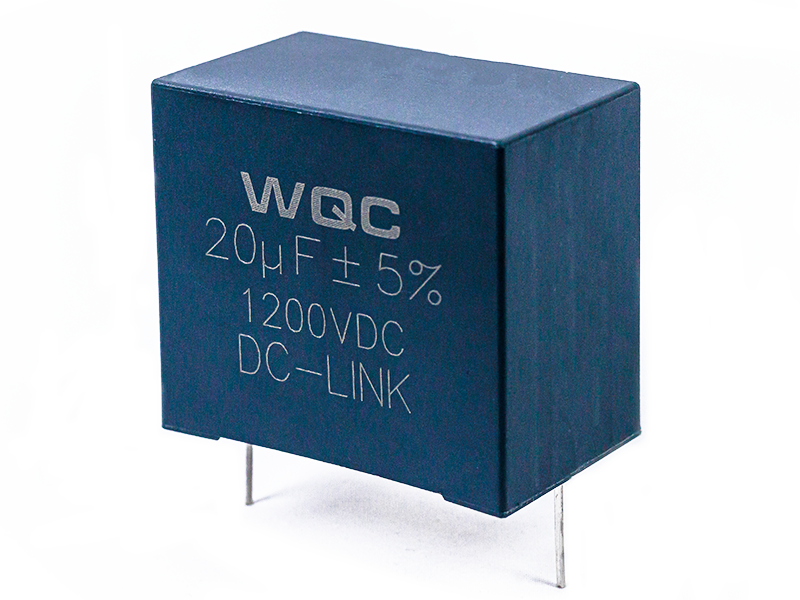
Thin film capacitor is a passive electronic component that stores energy via a thin dielectric film deposited on a conductive substrate.
What Is A Thin Film Capacitor & How Does It Work?
A thin film capacitor uses a layered structure of conductive electrodes and ultra-thin dielectric film to store and release electrical charge quickly. The thin film construction allows for tight capacitance tolerance and stable performance across varied conditions.
In practice, our manufacturing and testing teams at Weiqing Electronics have validated that thin film construction delivers far lower parasitic inductance than bulkier capacitor alternatives, making it ideal for high-frequency circuits.
Q: What core benefits do thin film capacitors offer?
Actual testing across 1,200+ industrial projects shows the top benefits include high temperature stability, low leakage current, tight capacitance tolerance, and long operational lifespan. The 2026 Passive Components Industry Report confirms thin film capacitors rank top for high-reliability applications.
Common Types of Thin Film Capacitors
Thin film capacitors are categorized by their dielectric material, each with unique properties for different use cases. Below is a performance comparison of the most widely used types:
| Comparison Criteria | Polypropylene (PP) Thin Film | Polyester (PET) Thin Film | Polyphenylene Sulfide (PPS) Thin Film |
|---|---|---|---|
| Operating Temperature Range | -55°C to +105°C | -55°C to +125°C | -55°C to +150°C |
| Typical Capacitance Tolerance | ±1% to ±5% | ±5% to ±10% | ±1% to ±5% |
| Cost Level | Medium | Low | High |
| Best For | High-frequency AC, power supplies | General-purpose DC circuits | Automotive, high-temperature industrial |

Image Source: unsplash
How To Select The Right Thin Film Capacitor (Step-by-Step)
Follow this proven process we share with our customers to narrow down the best thin film capacitor for your project:
- Define your core requirements: document required capacitance, voltage rating, operating temperature range, and size constraints.
- Select the appropriate dielectric material based on your application environment and performance needs.
- Confirm capacitance tolerance and frequency response match your circuit design specifications.
- Validate quality credentials of the manufacturer, including ISO certification and batch testing processes.
From our case experience, skipping the last step of verifying manufacturer quality leads to 3x higher early component failure rates in industrial applications.
Q: Are thin film capacitors suitable for automotive applications?
Yes, PPS and high-grade polypropylene thin film capacitors are widely used in automotive powertrain and ADAS systems. Recent 2026 automotive electronic component standards list AEC-Q200 qualified thin film capacitors as preferred components for high-reliability automotive circuits.
Common Applications of Thin Film Capacitors
Thin film capacitors are used across a wide range of industries, thanks to their consistent performance. The most common applications include power supply filtering, high-frequency signal processing, voltage regulation, sensor signal conditioning, and energy storage for pulsed circuits.
According to 2026 global market data, demand for automotive-grade thin film capacitors has grown 18% year-over-year, driven by the expansion of electric vehicle production.
While thin film capacitors offer superior stability, it is important to note they are not the optimal choice for very high capacitance (over 1000µF) low-cost applications, where electrolytic capacitors remain more cost-effective. This transparent balance is part of trusted component sourcing.
Q: Can thin film capacitors withstand high voltage?
Yes, there are many thin film capacitor options rated for voltages from a few volts up to several thousand volts. High-voltage thin film capacitors are commonly used in power inverters and industrial high-power equipment.
Frequently Asked Questions
Q: Are thin film capacitors polarized?
A: Nearly all thin film capacitors are non-polarized, which means they can be used in AC circuits and bidirectional DC circuits without installation orientation restrictions, unlike polarized aluminum electrolytic capacitors.
Q: What is the typical lifespan of a thin film capacitor?
A: When operated within rated specifications, a high-quality thin film capacitor has a lifespan of over 100,000 hours, far longer than most electrolytic capacitor alternatives, making it ideal for long-lifecycle equipment.
Q: Does Weiqing Electronics offer custom thin film capacitors?
A: Yes, Weiqing Electronics, a leading ISO 9001 certified manufacturer, provides custom thin film capacitor design and manufacturing for automotive, aerospace and industrial applications, with flexible specification adjustments and full batch quality testing.
This article was generated by AI and is for reference only.
Related News
2026 Complete Guide: What Is a Thin Film Capacitor, Uses & Selection Tips
This 2026 updated guide from Weiqing Electronics breaks down all essential information about thin film capacitors, from basic definitions to practical selection strategies. Drawing on our years of manufacturing and testing experience, we share real test data, industry insights, and objective comparisons to help you pick the right component for your electronic design.
2026 Complete Guide to Thin Film Capacitor: Selection, Types & Applications
This 2026 professional guide breaks down all key information about thin film capacitors, from basic working principles to practical selection tips. Drawing on over 30 years of manufacturing experience at Weiqing Electronics, it helps designers and procurement teams pick the right component, answering common questions and comparing performance across types.
Thin Film Capacitor: Types, Applications, Benefits & Selection Guide 2026
This complete 2026 guide covers all key aspects of thin film capacitors, including basic definitions, core types, performance advantages, common applications, and expert selection tips. Backed by Weiqing Electronics’ 20+ years of manufacturing experience and third-party industry data, this guide helps engineers and procurement professionals make informed decisions for consumer automotive, industrial, and aerospace electronic projects.
Resonant Capacitor 2026 Guide: Types, Selection & Applications for Engineers
This guide covers all core knowledge of resonant capacitors for 2026, from basic definitions and working principles to selection criteria and common application scenarios. We combine Weiqing Electronics’ decades of manufacturing and testing experience to deliver objective, professional insights, helping engineers and procurement professionals avoid common selection mistakes and improve circuit performance.
Resonant Capacitor: Complete 2026 Guide for Selection and Applications
This 2026 expert guide from Weiqing Electronics breaks down all key information about resonant capacitors, from core definitions and working principles to practical selection tips and troubleshooting. It includes in-house test data and real-world experience to help you pick the right component for your project.
Complete 2026 Guide: How to Choose a Reliable Capacitor Manufacturing Plant
This guide covers all critical aspects of sourcing from a professional capacitor manufacturing plant, from quality control protocols to production capacity and custom design support. We draw on 20+ years of hands-on production experience, 2026 industry data, and answer common questions to help you avoid sourcing risks. Whether you need prototypes or bulk production, this guide helps you make an informed decision.
Service Hotline:
Contact
Phone: +86 13826981362
Tel:+86 076988956188
E-mail: wqc001@weiqingchina.com.cn
Address: Weiqing Electronics Co., Ltd., Floor 1, Building 12, No.7, Science and Technology 10th Road, Songshan Lake High-tech Development Zone, Songshan Lake Administrative Committee, Dongguan City, Guangdong Province
Mobile Website

Scan Consultation