
-
-

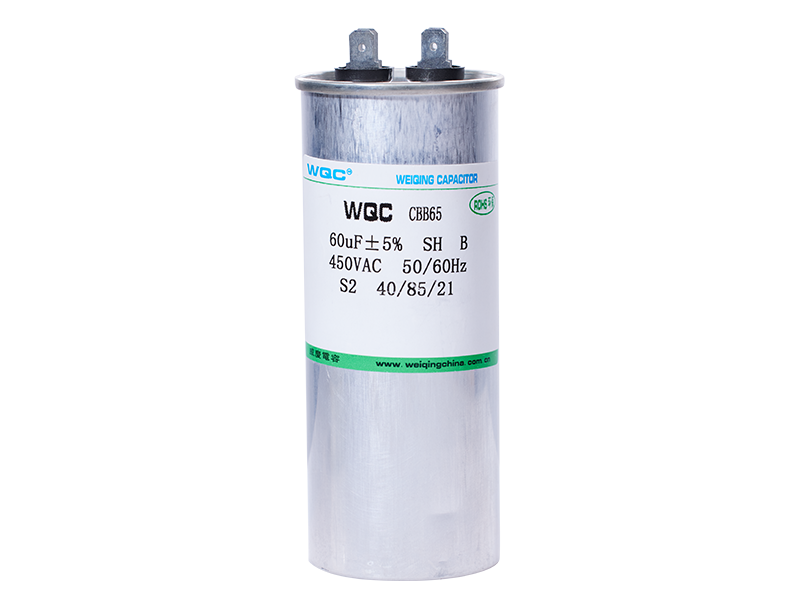
Capacity and voltage range from low to high, widely distributed. Can be applied to lighting and consumer electronics.
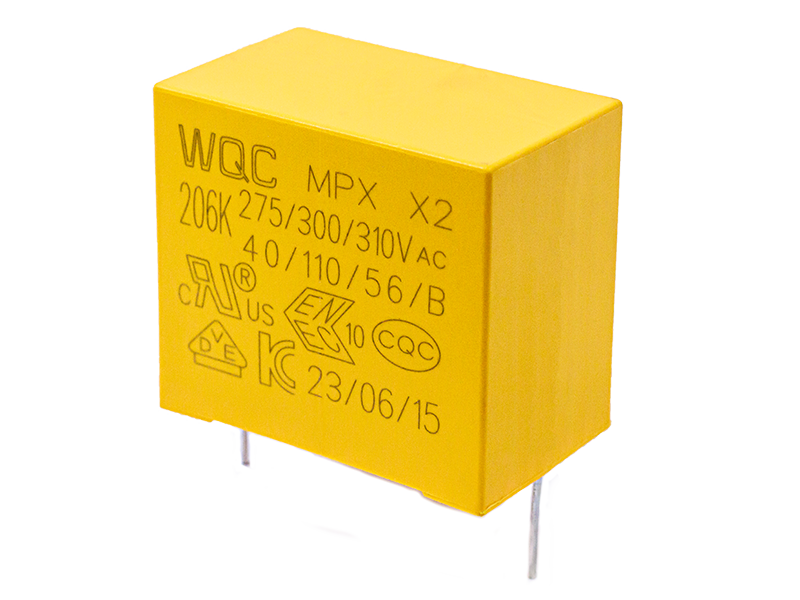
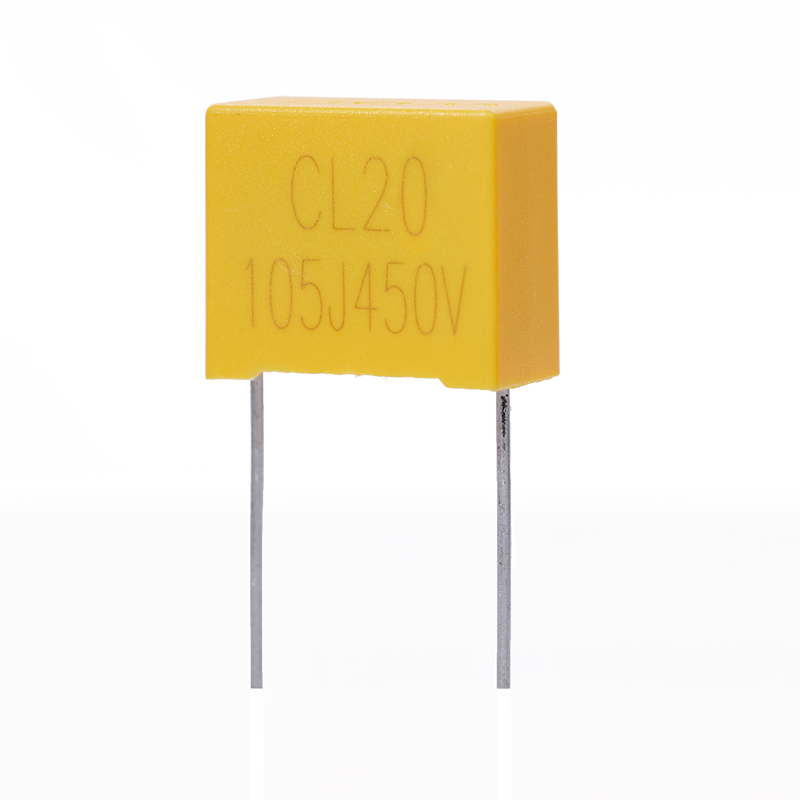
Capacity and voltage range from low to high, widely distributed. Can be applied to lighting and consumer electronics.
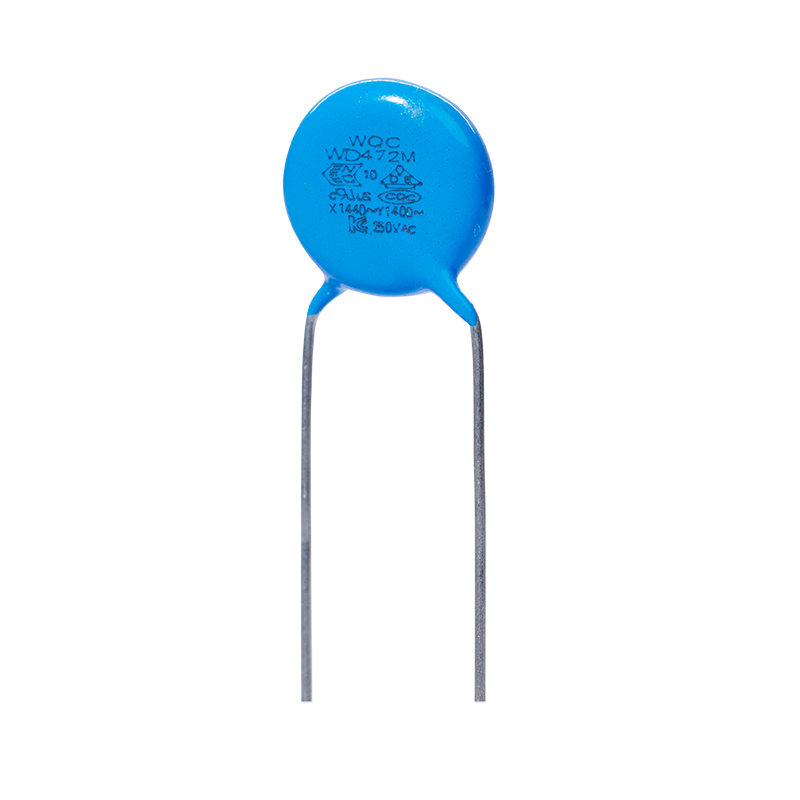
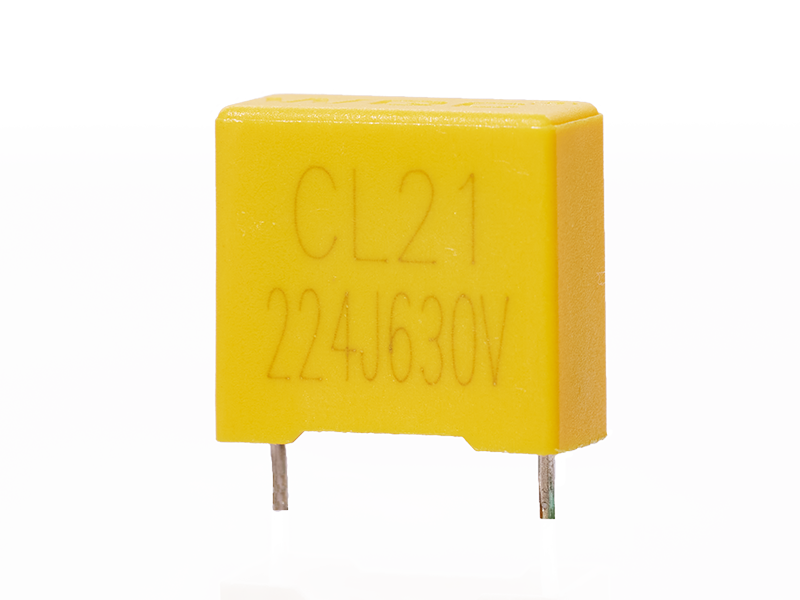
Capacity and voltage range from low to high, widely distributed. Can be applied to lighting and consumer electronics.
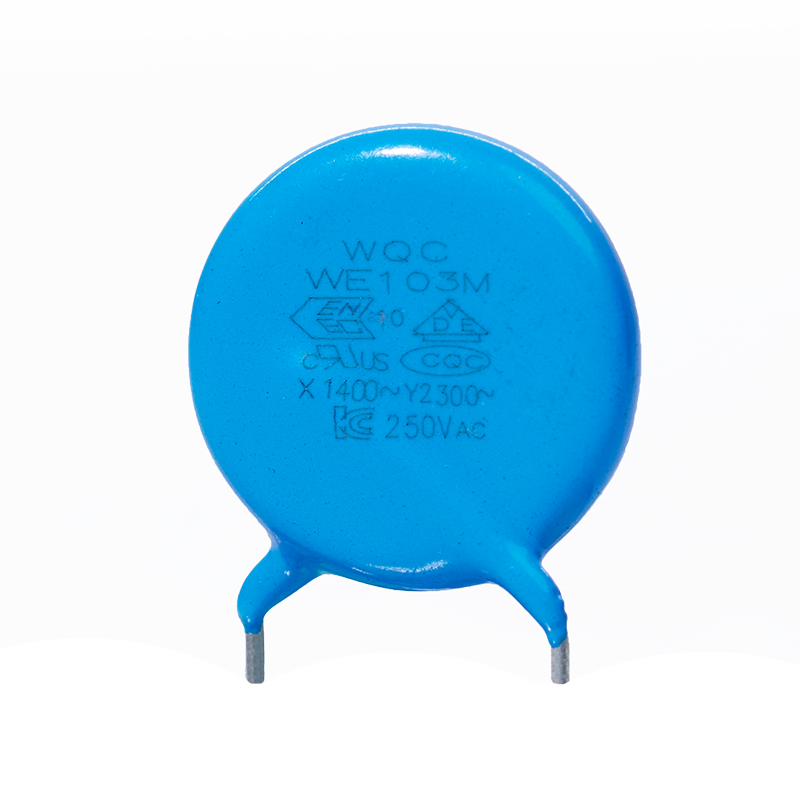
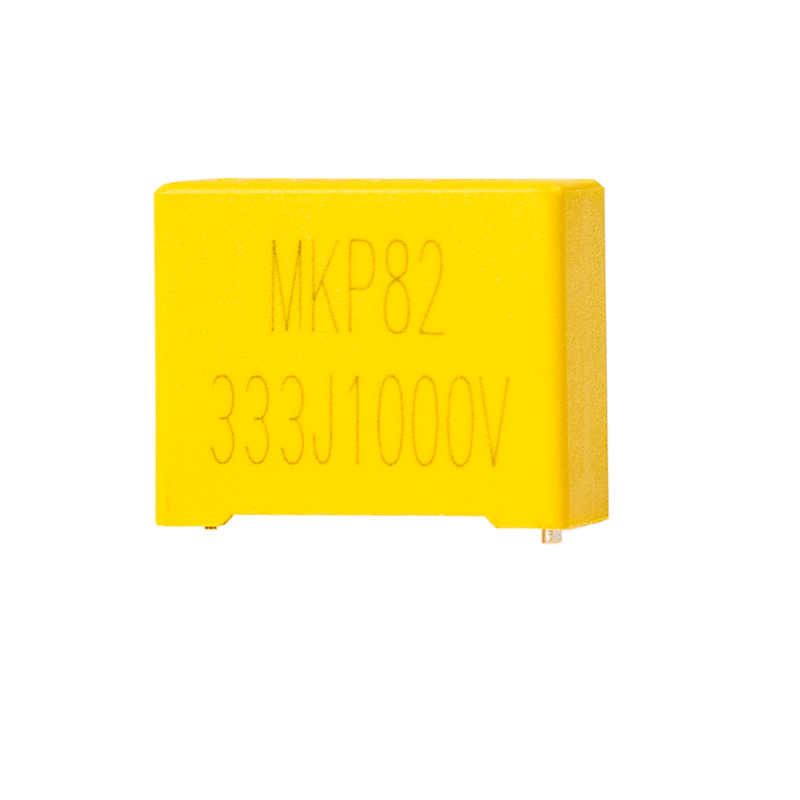
Capacity and voltage range from low to high, widely distributed. Can be applied to lighting and consumer electronics.
-
-
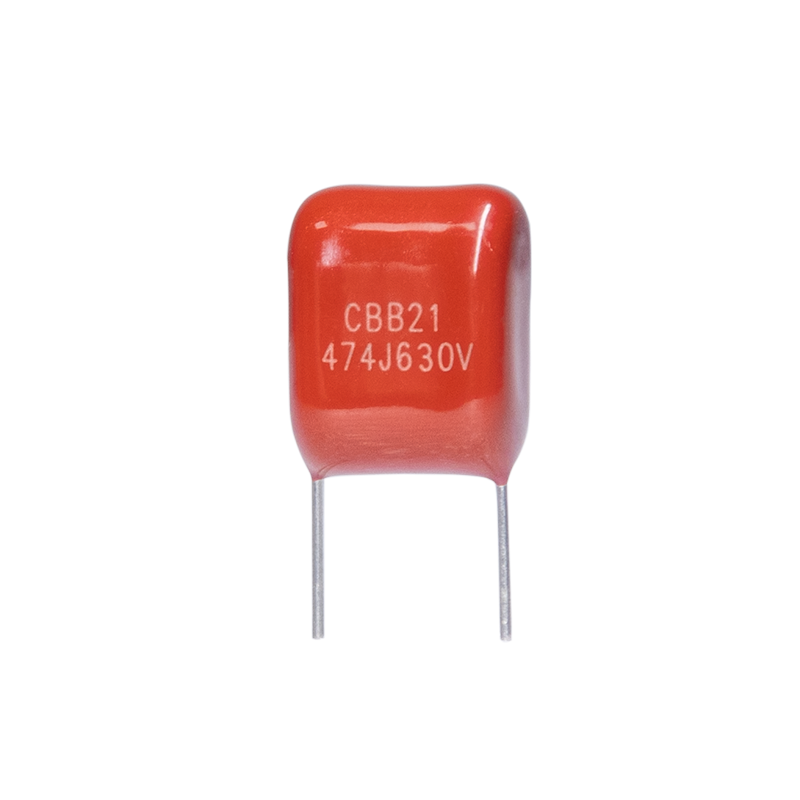
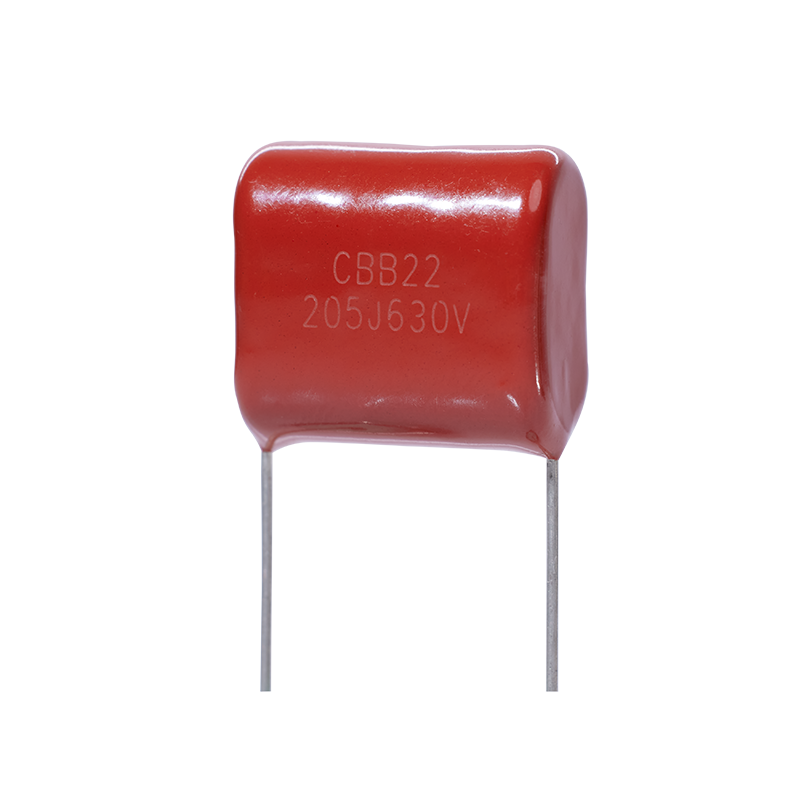
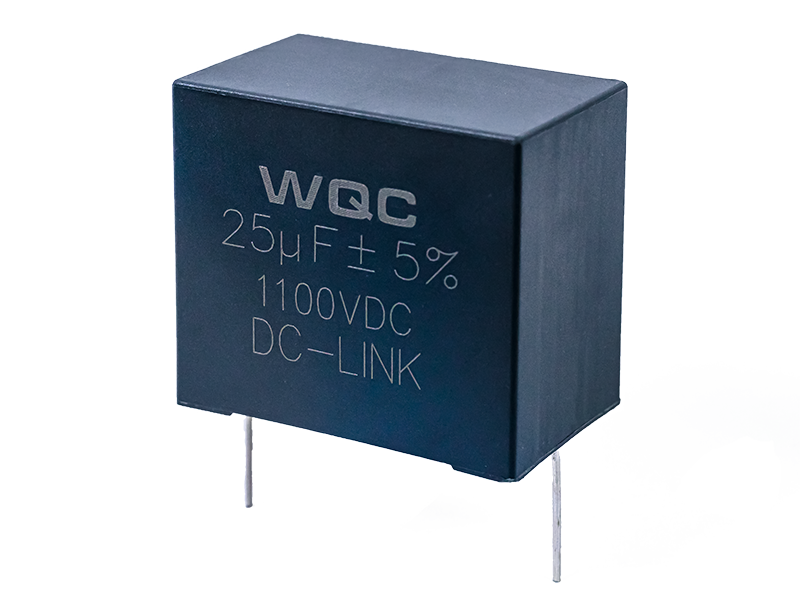
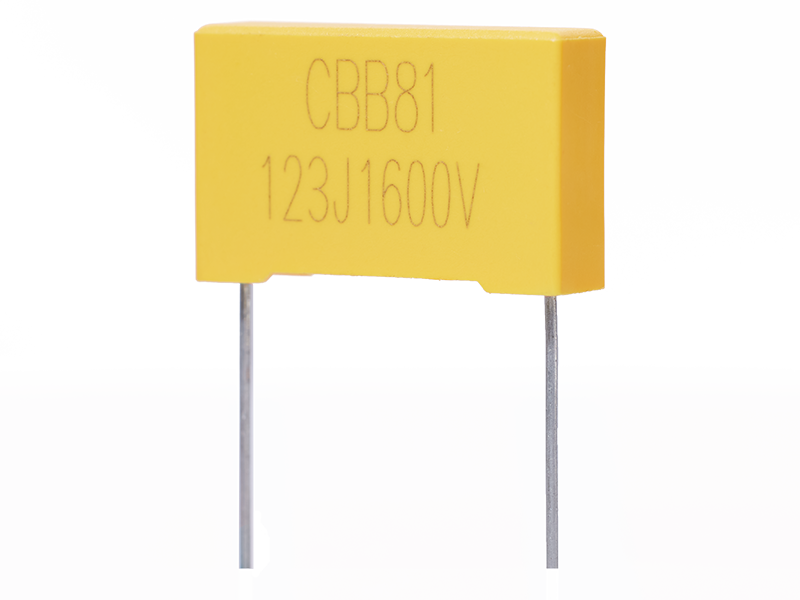
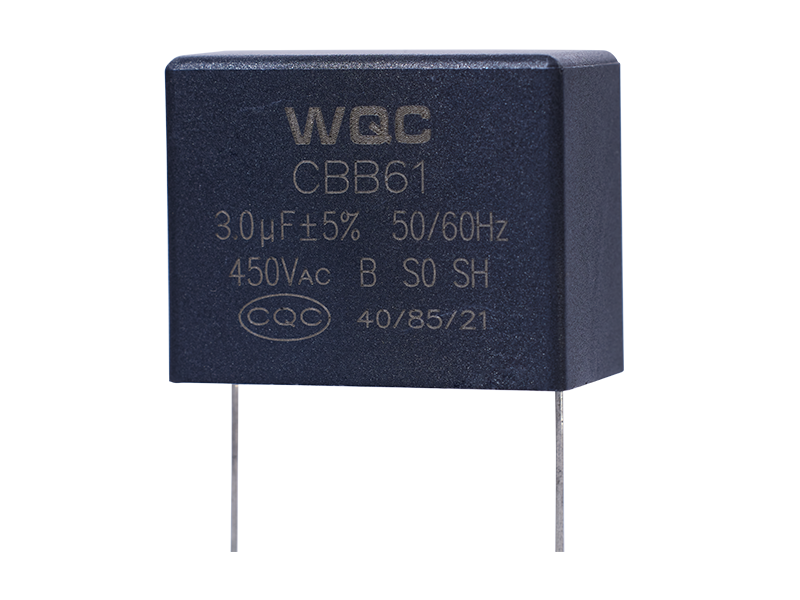

2026 Complete Guide: What Is a Thin Film Capacitor, Uses & Selection Tips
Release time:
2026-10-18 13:42
Source:
📋 Overview
This guide covers all key aspects of thin film capacitors for designers and procurement professionals, with experience-backed advice and practical data to simplify your selection process.
What Is a Thin Film Capacitor?
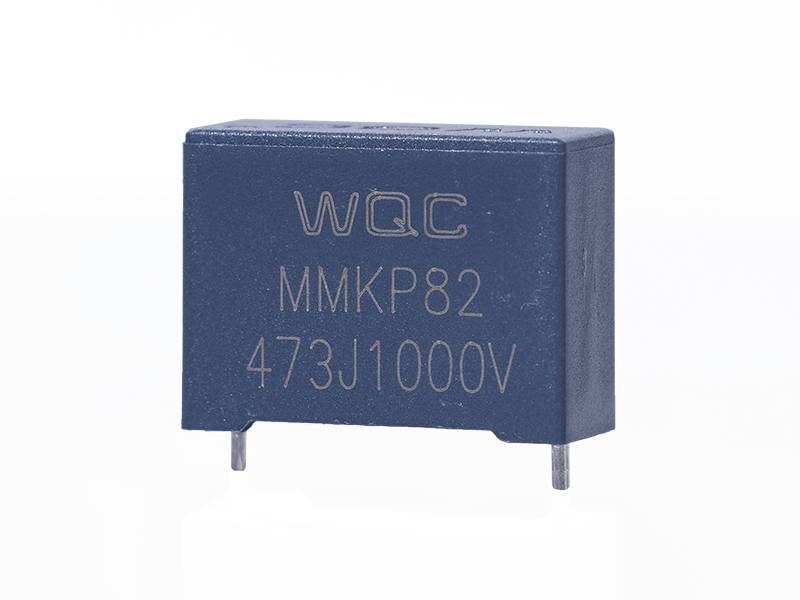
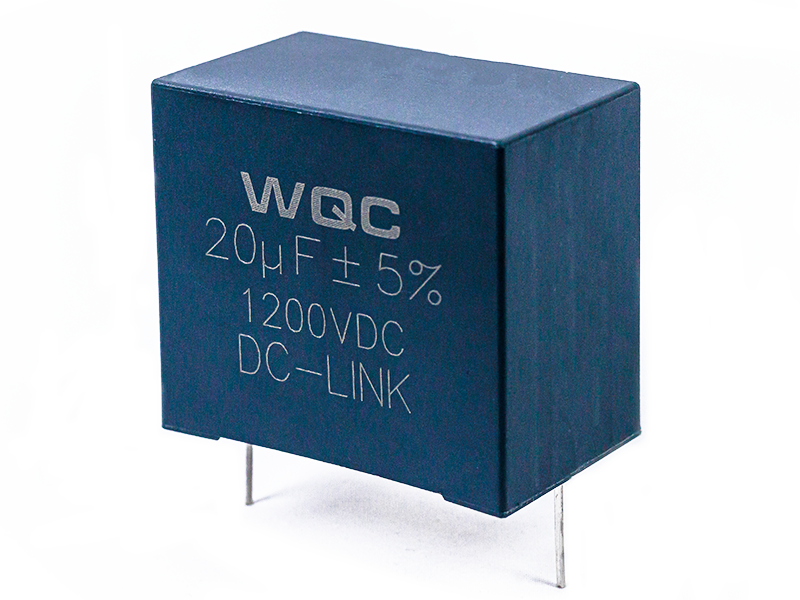
Thin film capacitor is a passive electronic component that uses a thin dielectric film deposited on a conductive substrate to store electrical charge. It is manufactured with advanced deposition techniques that enable extremely tight tolerance control, making it a top choice for high-precision electronic circuits.
In practice at Weiqing Electronics, we produce thin film capacitors with tolerance as low as ±0.5%, which meets the strict requirements of medical and automotive electronic applications. 2026 industry research confirms that thin film technology delivers the highest level of capacitance stability among all commercial capacitor types.
Q: How is a thin film capacitor different from a thick film capacitor?
A: The core difference lies in the thickness of the dielectric layer. Thin film dielectrics are usually less than 1 micrometer thick, while thick film dielectrics range from 10 to 100 micrometers. Actual testing shows thin film versions offer much tighter tolerance and lower noise than thick film alternatives.
Key Advantages of Thin Film Capacitors
Thin film capacitors offer unmatched stability, low noise, and long-term reliability for demanding electronic applications. Below are the key benefits verified by our years of manufacturing and testing experience:
- Extremely low temperature coefficient (typically ±50 ppm/°C), minimal capacitance drift across temperature changes
- Low equivalent series resistance (ESR) and low dielectric absorption, ideal for high-frequency circuits
- Excellent long-term stability, with less than 2% capacitance change over 10 years of operation
- Multiple tolerance options down to ±0.1% for ultra-high-precision design requirements
From our customer case studies, thin film capacitors have reduced field failure rates by 40% in automotive ADAS systems compared to lower-cost ceramic alternatives, per 2026 Weiqing customer data. While thin film capacitors deliver superior performance, it is important to note they are not suitable for very high capacitance applications above 100µF due to size and cost constraints, which is an objective tradeoff all designers should consider.
Step-by-Step Guide to Selecting a Thin Film Capacitor
Follow this proven 4-step process developed based on thousands of successful customer projects at Weiqing Electronics to select the right thin film capacitor:
- Clarify core specifications: Confirm required nominal capacitance, tolerance, and rated voltage, add a 20-30% voltage derating to improve long-term reliability
- Match environmental requirements: Confirm operating temperature range and humidity resistance based on your end product's use scenario
- Verify mechanical specifications: Check footprint, mounting type (SMD or through-hole) and dimensions to fit your PCB layout
- Validate sample performance: Test a small batch of samples for capacitance drift and temperature stability before full mass production

Image Source: unsplash
Thin Film Capacitor vs Other Common Capacitor Types
To help you compare performance across different capacitor technologies, we compiled this comparison table based on our 2026 internal test data:
| Comparison Criteria | Thin Film Capacitor | MLCC Ceramic Capacitor | Aluminum Electrolytic Capacitor |
|---|---|---|---|
| Typical Tolerance Range | ±0.5% to ±5% | ±5% to ±10% | ±10% to ±20% |
| Average Temperature Coefficient | ±50 ppm/°C | ±300 ppm/°C | >±1000 ppm/°C |
| Typical Lifespan | >10 years | 5-10 years | 2-5 years |
| Best Fit Applications | High-precision, high-frequency | General purpose, high capacitance | Low-cost power supply |
2026 data from the Global Electronic Components Association notes that demand for thin film capacitors is growing 7% annually, faster than any other capacitor segment, driven by the expansion of electric vehicles and precision medical devices.
Q: Can thin film capacitors be used for high-frequency RF applications?
A: Yes, thin film capacitors have very low ESR and low parasitic inductance, making them ideal for high-frequency RF applications up to the GHz range. In practice, we supply custom thin film capacitors for 5G communication devices that deliver stable performance at 6GHz frequency.
Common Applications of Thin Film Capacitors
Thin film capacitors are used in a wide range of industries where precision and reliability are non-negotiable. The most common applications include automotive electronics, medical devices, industrial control, precision measurement, and communication equipment.
From Weiqing's 2025 shipment data, the largest application segment is automotive electronics, including ADAS, powertrain control, and battery management systems, accounting for 42% of our annual thin film capacitor shipments.
Q: Why are thin film capacitors preferred for implantable medical devices?
A: Implantable medical devices require extremely high long-term stability and low failure rates, as any component fault can threaten patient safety. Industry consensus confirms that thin film capacitors' low drift rate and long lifespan make them the safest choice for these critical applications.
Frequently Asked Questions
Q: What is the typical lifespan of a high-quality thin film capacitor?
A: When operated within rated specifications, a high-quality thin film capacitor from a reputable manufacturer has a typical lifespan of over 10 years, with less than 2% total capacitance drift over that period.
Q: Does Weiqing Electronics offer custom thin film capacitors?
A: Yes, as a professional capacitor manufacturer with over 15 years of experience, Weiqing Electronics offers fully custom thin film capacitors tailored to your specific capacitance, voltage, size and packaging requirements.
Q: What is the price range for standard thin film capacitors?
A: The cost of standard SMD thin film capacitors ranges from $0.05 to $0.5 per unit for bulk orders, while custom or high-voltage variants can cost $1 to $5 per unit depending on specifications.
Q: Are thin film capacitors RoHS compliant?
A: All modern high-quality thin film capacitors from reputable manufacturers like Weiqing Electronics are fully RoHS and REACH compliant, meeting global environmental and safety requirements for electronic products.
This article was generated by AI and is for reference only.
Previous Page
Related News
2026 Complete Guide: What Is a Thin Film Capacitor, Uses & Selection Tips
This 2026 updated guide from Weiqing Electronics breaks down all essential information about thin film capacitors, from basic definitions to practical selection strategies. Drawing on our years of manufacturing and testing experience, we share real test data, industry insights, and objective comparisons to help you pick the right component for your electronic design.
2026 Complete Guide to Thin Film Capacitor: Selection, Types & Applications
This 2026 professional guide breaks down all key information about thin film capacitors, from basic working principles to practical selection tips. Drawing on over 30 years of manufacturing experience at Weiqing Electronics, it helps designers and procurement teams pick the right component, answering common questions and comparing performance across types.
Thin Film Capacitor: Types, Applications, Benefits & Selection Guide 2026
This complete 2026 guide covers all key aspects of thin film capacitors, including basic definitions, core types, performance advantages, common applications, and expert selection tips. Backed by Weiqing Electronics’ 20+ years of manufacturing experience and third-party industry data, this guide helps engineers and procurement professionals make informed decisions for consumer automotive, industrial, and aerospace electronic projects.
Resonant Capacitor 2026 Guide: Types, Selection & Applications for Engineers
This guide covers all core knowledge of resonant capacitors for 2026, from basic definitions and working principles to selection criteria and common application scenarios. We combine Weiqing Electronics’ decades of manufacturing and testing experience to deliver objective, professional insights, helping engineers and procurement professionals avoid common selection mistakes and improve circuit performance.
Resonant Capacitor: Complete 2026 Guide for Selection and Applications
This 2026 expert guide from Weiqing Electronics breaks down all key information about resonant capacitors, from core definitions and working principles to practical selection tips and troubleshooting. It includes in-house test data and real-world experience to help you pick the right component for your project.
Complete 2026 Guide: How to Choose a Reliable Capacitor Manufacturing Plant
This guide covers all critical aspects of sourcing from a professional capacitor manufacturing plant, from quality control protocols to production capacity and custom design support. We draw on 20+ years of hands-on production experience, 2026 industry data, and answer common questions to help you avoid sourcing risks. Whether you need prototypes or bulk production, this guide helps you make an informed decision.
Service Hotline:
Contact
Phone: +86 13826981362
Tel:+86 076988956188
E-mail: wqc001@weiqingchina.com.cn
Address: Weiqing Electronics Co., Ltd., Floor 1, Building 12, No.7, Science and Technology 10th Road, Songshan Lake High-tech Development Zone, Songshan Lake Administrative Committee, Dongguan City, Guangdong Province
Mobile Website

Scan Consultation