
-
-

Capacity and voltage range from low to high, widely distributed. Can be applied to lighting and consumer electronics.
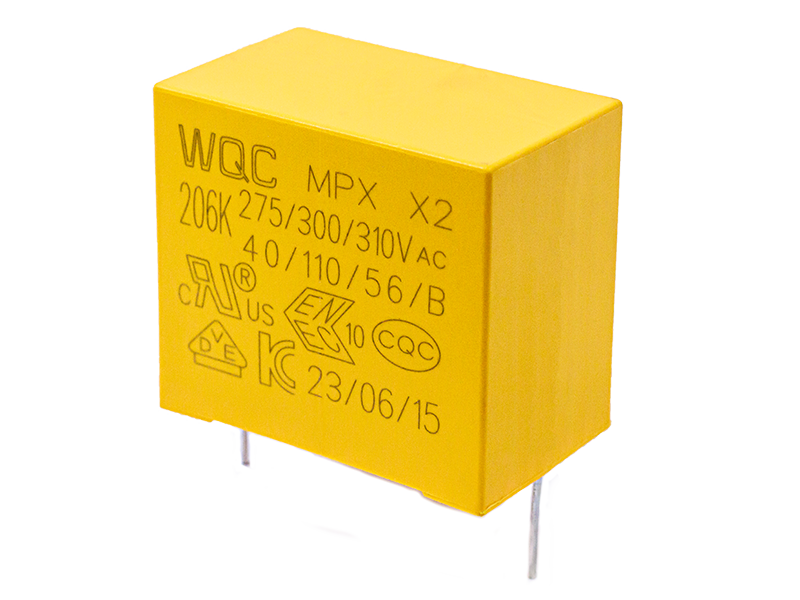
Capacity and voltage range from low to high, widely distributed. Can be applied to lighting and consumer electronics.
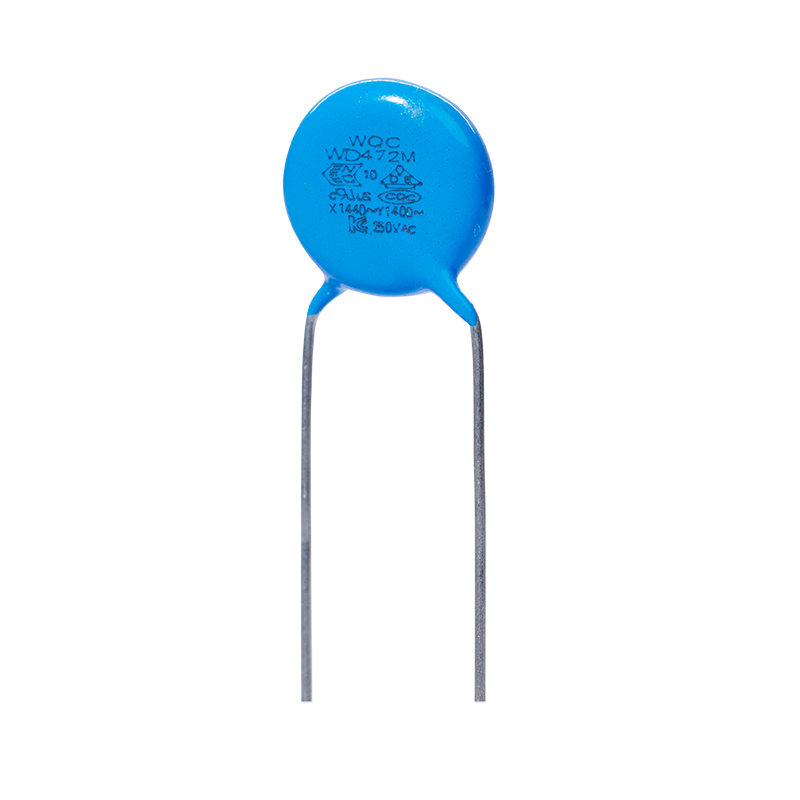
Capacity and voltage range from low to high, widely distributed. Can be applied to lighting and consumer electronics.
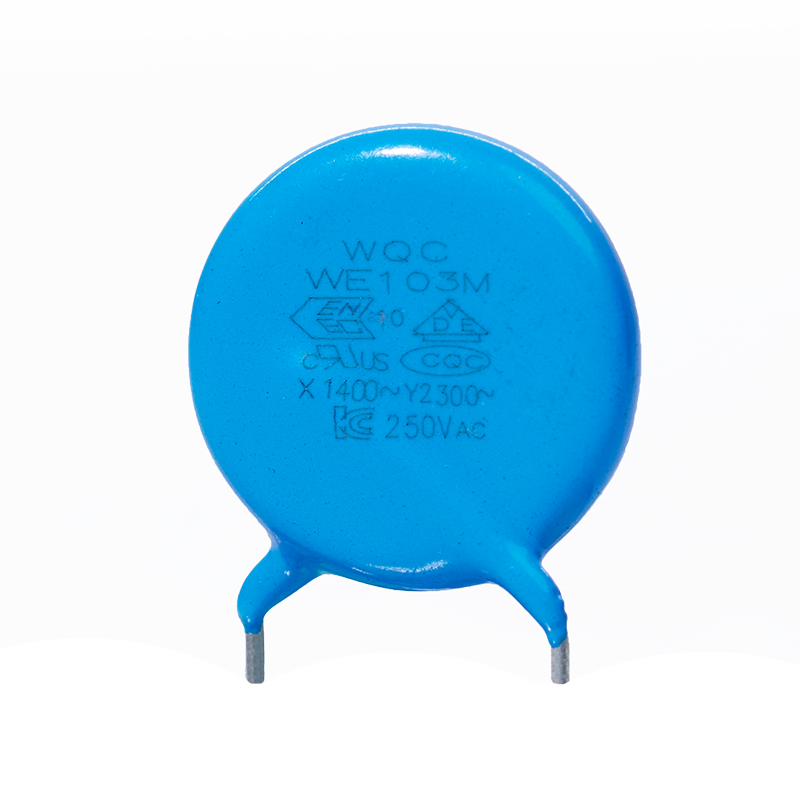
Capacity and voltage range from low to high, widely distributed. Can be applied to lighting and consumer electronics.
-
-
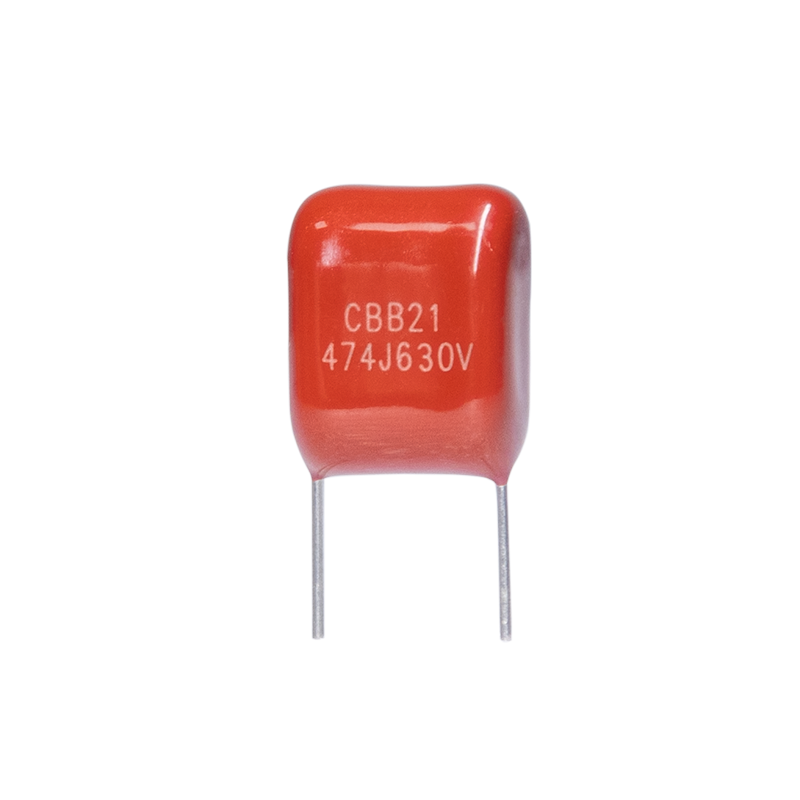
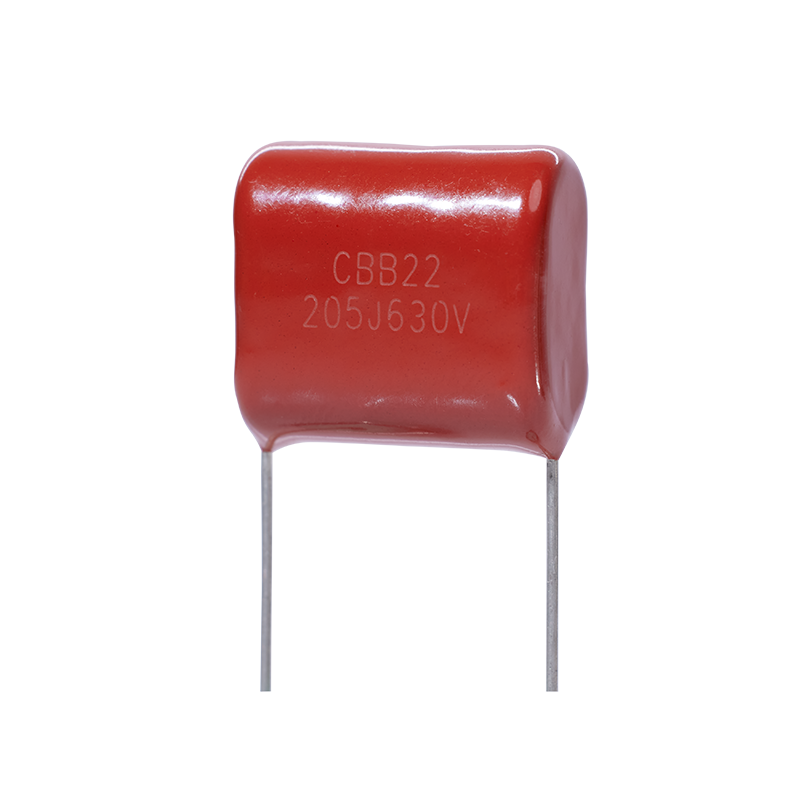
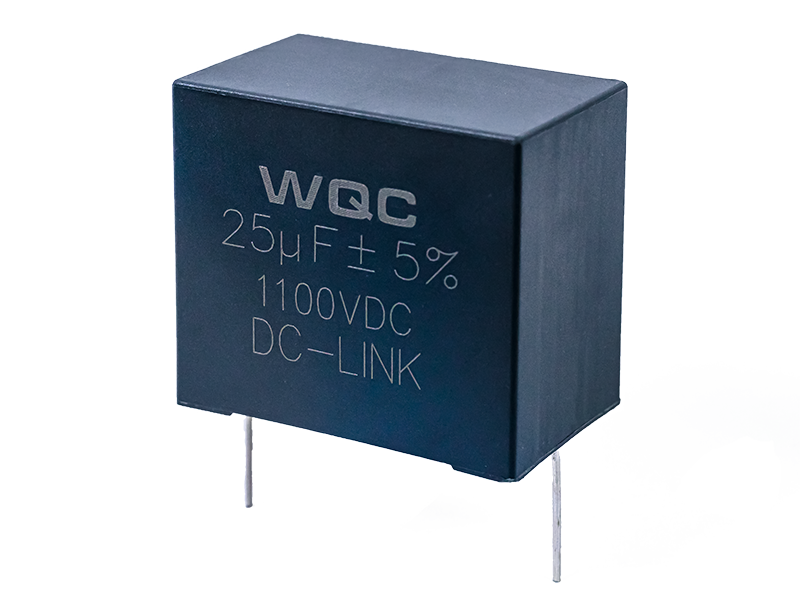
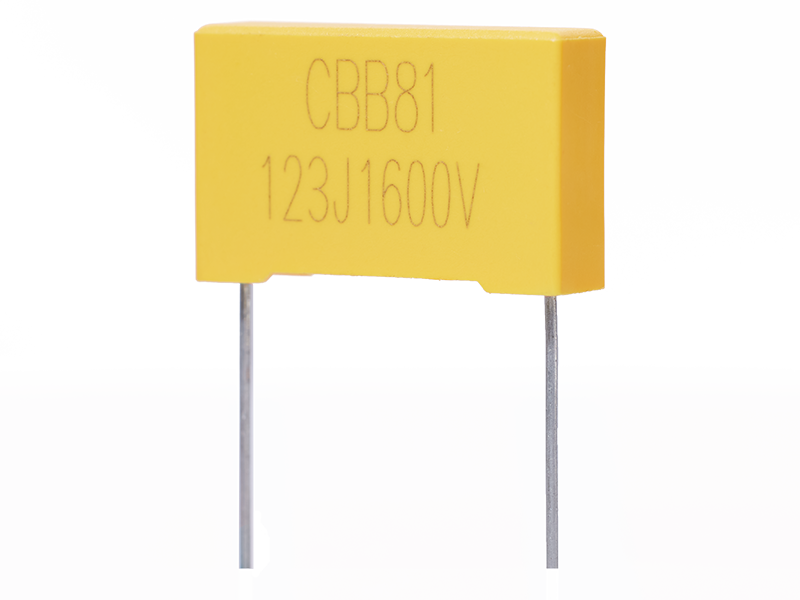
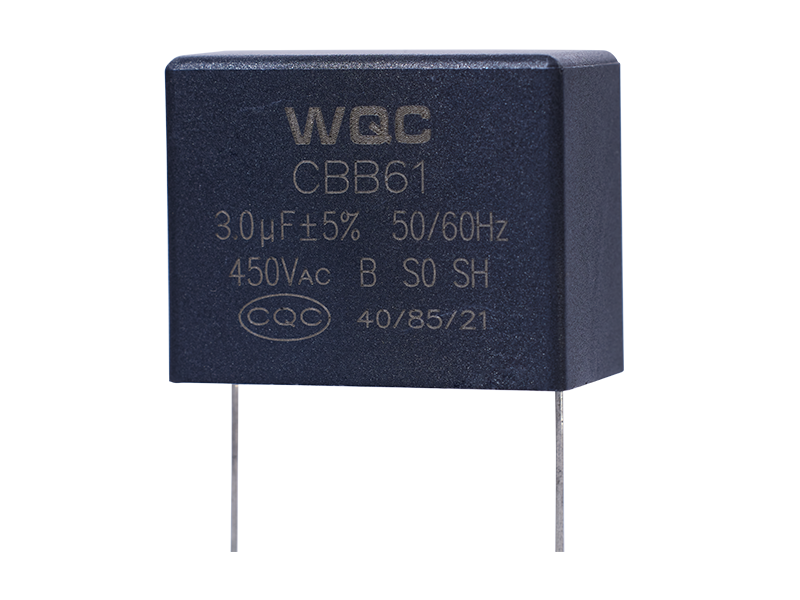
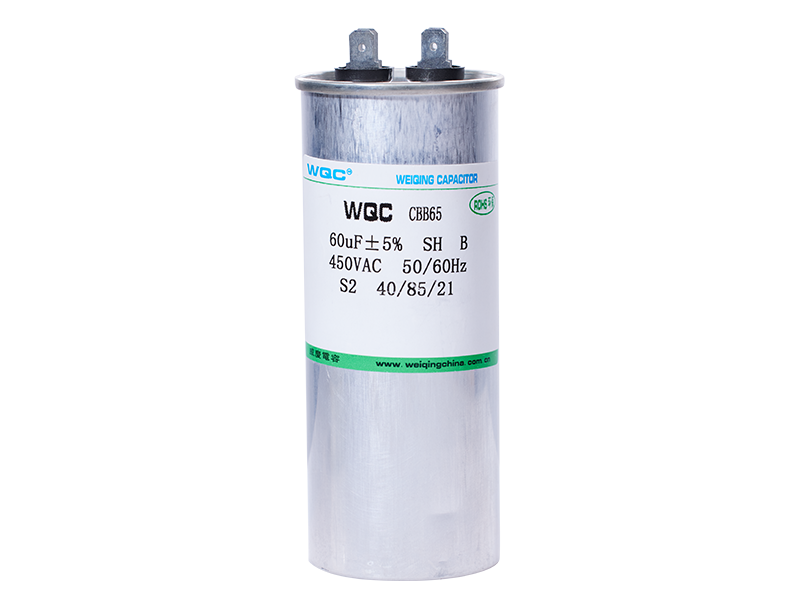
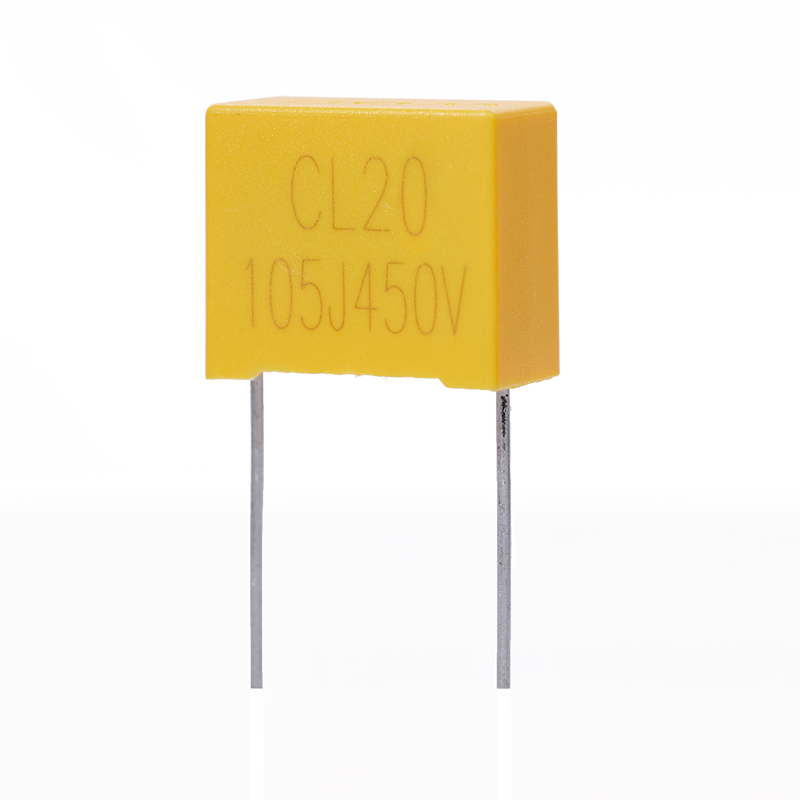
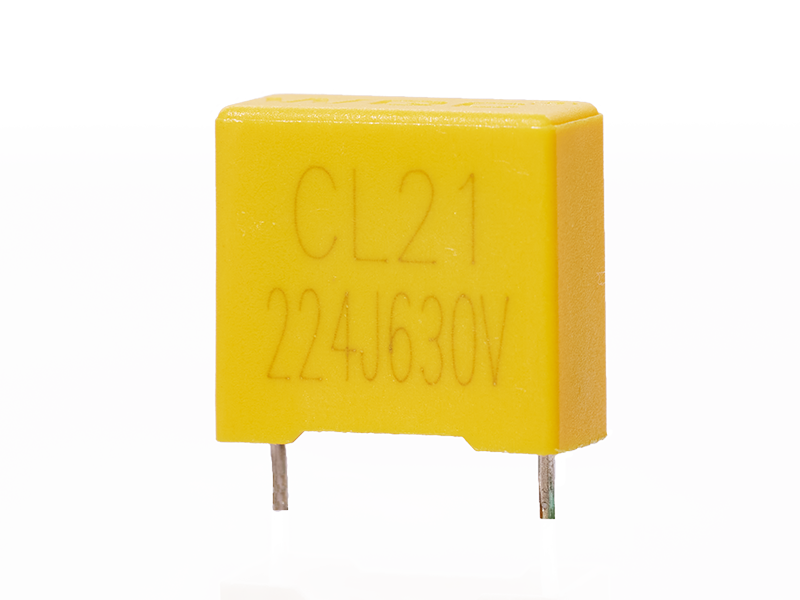
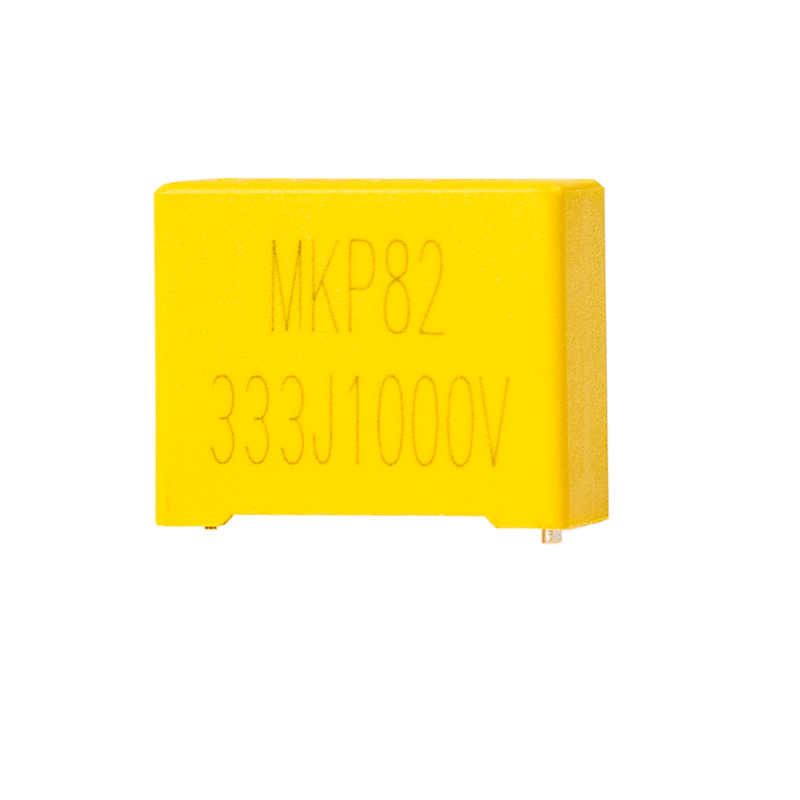
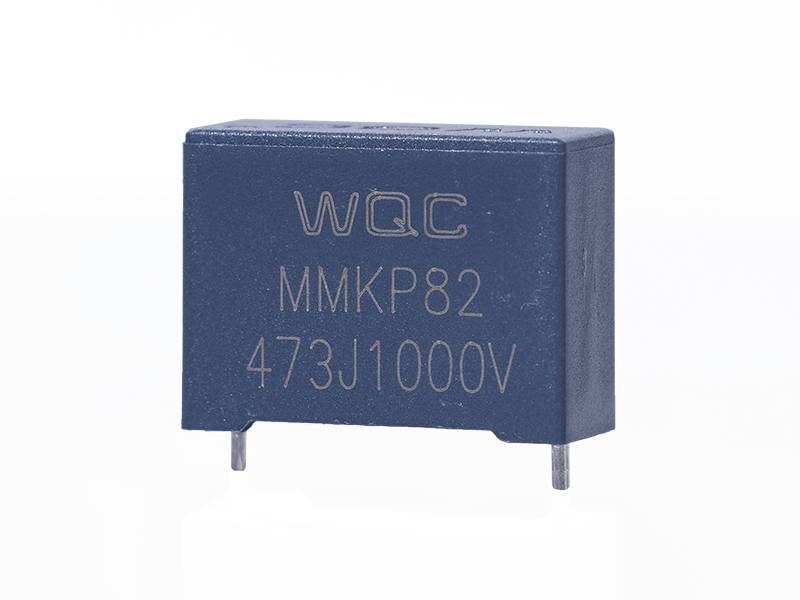
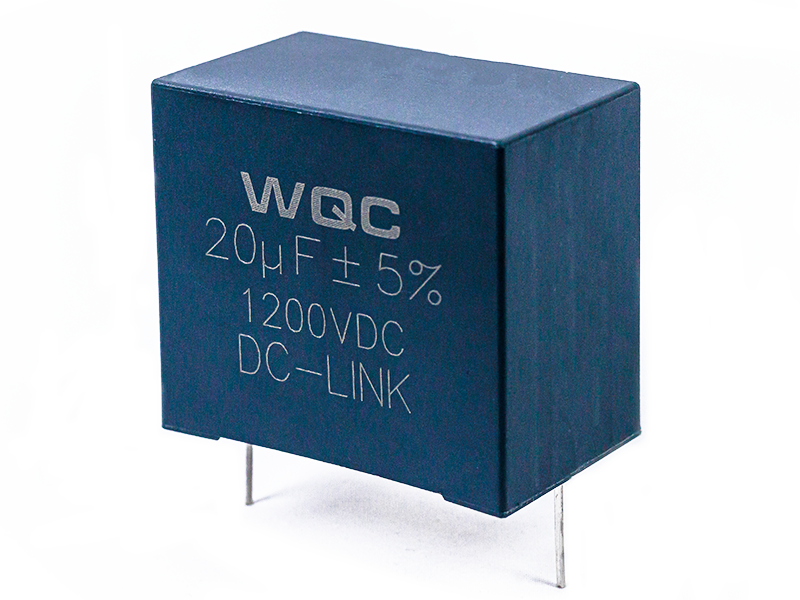

A key component in high-frequency metal film capacitor electronic circuits.
Release time:
2025-06-30 16:25
Source:
In the booming wave of modern electronic technology, high-frequency metal-film capacitors play an indispensable role. From communication devices to computer motherboards, from audio circuits to aerospace electronic systems, these tiny capacitors perform critical functions everywhere.
Although the structure of high-frequency metal-film capacitors appears simple, it embodies sophisticated design principles. The capacitor mainly consists of metal-film electrodes, a dielectric layer, and electrode leads. The metal-film electrodes are typically made from highly conductive metallic materials such as aluminum or tantalum. These metal films exist in an ultra-thin form, enabling them to respond rapidly to changes in electric charge under high-frequency conditions. The dielectric layer is a critical component of the capacitor, determining its fundamental performance characteristics. Common dielectric materials include polymers like polyester (PET) and polypropylene (PP), which exhibit excellent insulating properties and appropriate dielectric constants. In high-frequency applications, the low-loss characteristics of the dielectric layer are particularly important, as they minimize energy losses during the charging and discharging processes, thereby ensuring efficient signal transmission.
The performance characteristics of high-frequency metal-film capacitors set them apart in numerous applications. Specifically, their exceptional high-frequency performance allows them to excel in circuits where signal frequencies are extremely high. In such high-frequency circuits, conventional capacitors may fail to function properly due to their inherent parasitic parameters—such as equivalent series inductance (ESL) and equivalent series resistance (ESR). However, high-frequency metal-film capacitors, thanks to their specialized structural design and material selection, exhibit remarkably low ESL and ESR. This enables them to maintain a stable capacitance value even at high frequencies, thereby facilitating effective coupling, filtering, and bypassing of high-frequency signals. For example, in the radio frequency (RF) circuits of mobile phones, high-frequency metal-film capacitors are used to filter out unwanted noise signals while allowing only RF signals within specific frequency bands to pass through, thus ensuring clear and stable mobile communications.
High-frequency metal-film capacitors exhibit high stability. Whether subjected to temperature variations, voltage fluctuations, or prolonged use, they maintain relatively stable capacitance values. This stability is crucial for certain electronic devices that demand high precision. Take precision measuring instruments as an example: the circuits inside these instruments require high-precision capacitor components to ensure the accuracy of measurement results. High-frequency metal-film capacitors can maintain stable capacitance values under a wide range of complex environmental conditions, thereby providing a reliable circuit foundation for precise measurements.
In the audio field, high-frequency metal-film capacitors also have unique applications. High-quality audio equipment strives for high-fidelity sound reproduction, which requires that every component in the circuit minimize distortion of the audio signal as much as possible. Thanks to their low loss and excellent frequency response characteristics, high-frequency metal-film capacitors can accurately process audio signals across a wide range of frequencies in audio circuits. For example, in the coupling circuit of an audio amplifier, they can transmit the audio signal from the preceding stage to the subsequent stage without any distortion, enabling listeners to enjoy music that remains true to its original essence.
However, high-frequency metal-film capacitors also face certain challenges. As electronic devices continue to evolve toward miniaturization and higher performance, the demands on capacitor size and performance are steadily increasing. On the one hand, achieving higher capacitance values and better high-frequency performance within smaller package sizes requires continuous exploration of new materials and manufacturing processes. On the other hand, in some extreme environments—such as those characterized by high temperatures, high humidity, or strong electromagnetic interference—it remains an urgent issue to further enhance the reliability of these capacitors.
Despite the challenges, high-frequency metal-film capacitors continue to evolve steadily, driven by ongoing advancements in materials science and electronic manufacturing technologies. New materials are constantly being developed, and manufacturing processes are becoming increasingly sophisticated. As a result, high-frequency metal-film capacitors will continue to play an irreplaceable and critical role in future electronic circuits, providing a solid component foundation for the continuous innovation of electronic technology.
Related News
2026 Complete Guide: What Is a Thin Film Capacitor, Uses & Selection Tips
This 2026 updated guide from Weiqing Electronics breaks down all essential information about thin film capacitors, from basic definitions to practical selection strategies. Drawing on our years of manufacturing and testing experience, we share real test data, industry insights, and objective comparisons to help you pick the right component for your electronic design.
2026 Complete Guide to Thin Film Capacitor: Selection, Types & Applications
This 2026 professional guide breaks down all key information about thin film capacitors, from basic working principles to practical selection tips. Drawing on over 30 years of manufacturing experience at Weiqing Electronics, it helps designers and procurement teams pick the right component, answering common questions and comparing performance across types.
Thin Film Capacitor: Types, Applications, Benefits & Selection Guide 2026
This complete 2026 guide covers all key aspects of thin film capacitors, including basic definitions, core types, performance advantages, common applications, and expert selection tips. Backed by Weiqing Electronics’ 20+ years of manufacturing experience and third-party industry data, this guide helps engineers and procurement professionals make informed decisions for consumer automotive, industrial, and aerospace electronic projects.
Resonant Capacitor 2026 Guide: Types, Selection & Applications for Engineers
This guide covers all core knowledge of resonant capacitors for 2026, from basic definitions and working principles to selection criteria and common application scenarios. We combine Weiqing Electronics’ decades of manufacturing and testing experience to deliver objective, professional insights, helping engineers and procurement professionals avoid common selection mistakes and improve circuit performance.
Resonant Capacitor: Complete 2026 Guide for Selection and Applications
This 2026 expert guide from Weiqing Electronics breaks down all key information about resonant capacitors, from core definitions and working principles to practical selection tips and troubleshooting. It includes in-house test data and real-world experience to help you pick the right component for your project.
Complete 2026 Guide: How to Choose a Reliable Capacitor Manufacturing Plant
This guide covers all critical aspects of sourcing from a professional capacitor manufacturing plant, from quality control protocols to production capacity and custom design support. We draw on 20+ years of hands-on production experience, 2026 industry data, and answer common questions to help you avoid sourcing risks. Whether you need prototypes or bulk production, this guide helps you make an informed decision.
Service Hotline:
Contact
Phone: +86 13826981362
Tel:+86 076988956188
E-mail: wqc001@weiqingchina.com.cn
Address: Weiqing Electronics Co., Ltd., Floor 1, Building 12, No.7, Science and Technology 10th Road, Songshan Lake High-tech Development Zone, Songshan Lake Administrative Committee, Dongguan City, Guangdong Province
Mobile Website

Scan Consultation