
-
-

Capacity and voltage range from low to high, widely distributed. Can be applied to lighting and consumer electronics.
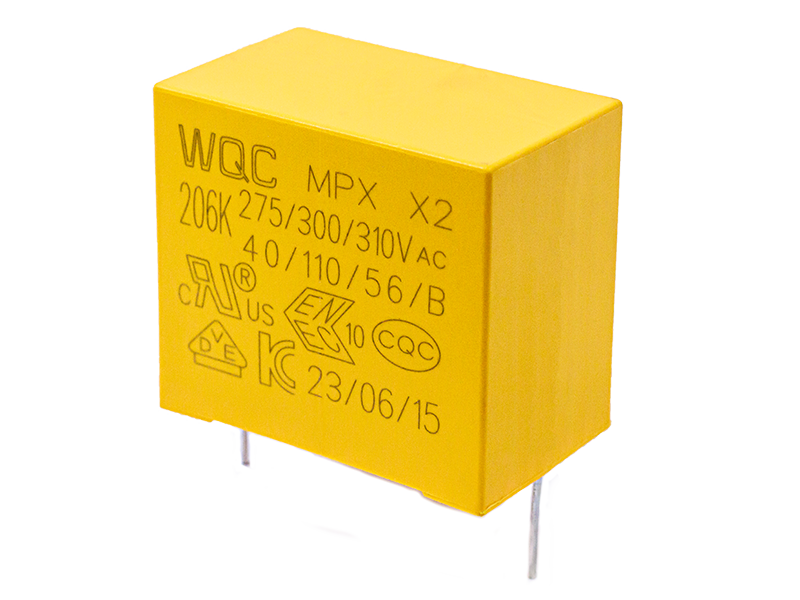
Capacity and voltage range from low to high, widely distributed. Can be applied to lighting and consumer electronics.
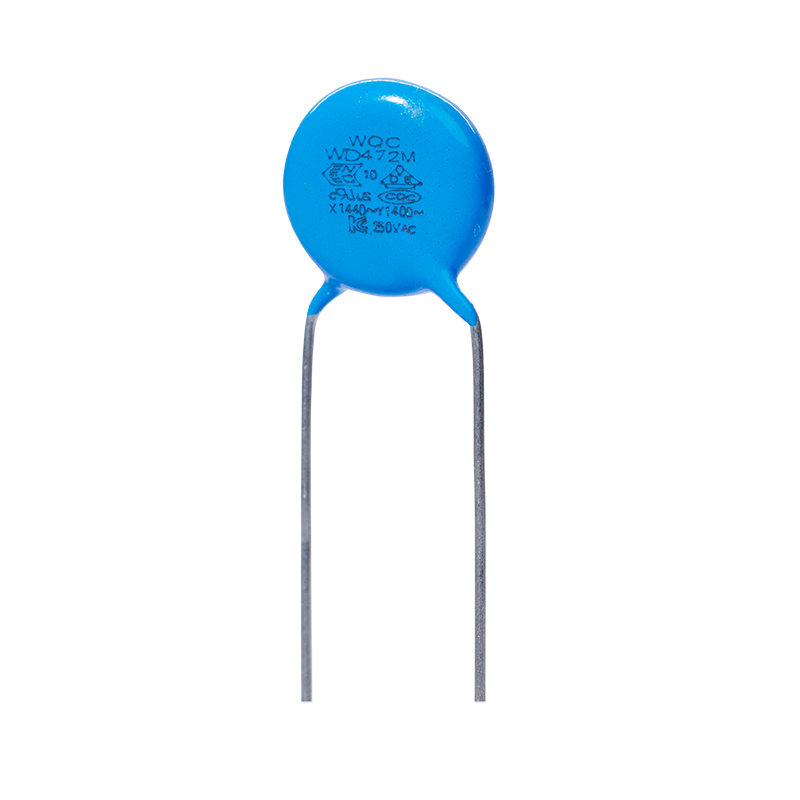
Capacity and voltage range from low to high, widely distributed. Can be applied to lighting and consumer electronics.
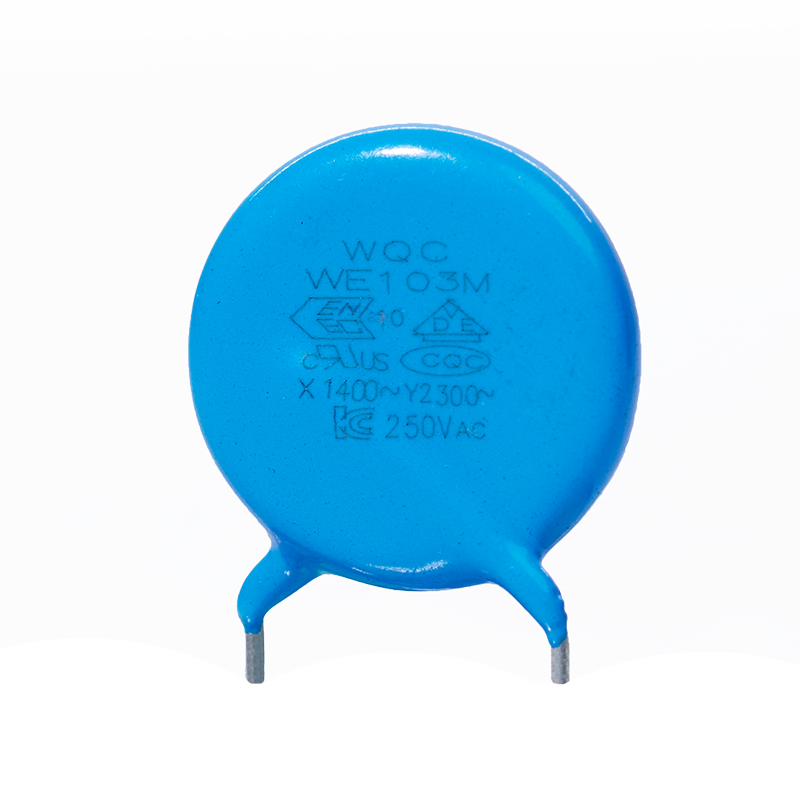
Capacity and voltage range from low to high, widely distributed. Can be applied to lighting and consumer electronics.
-
-
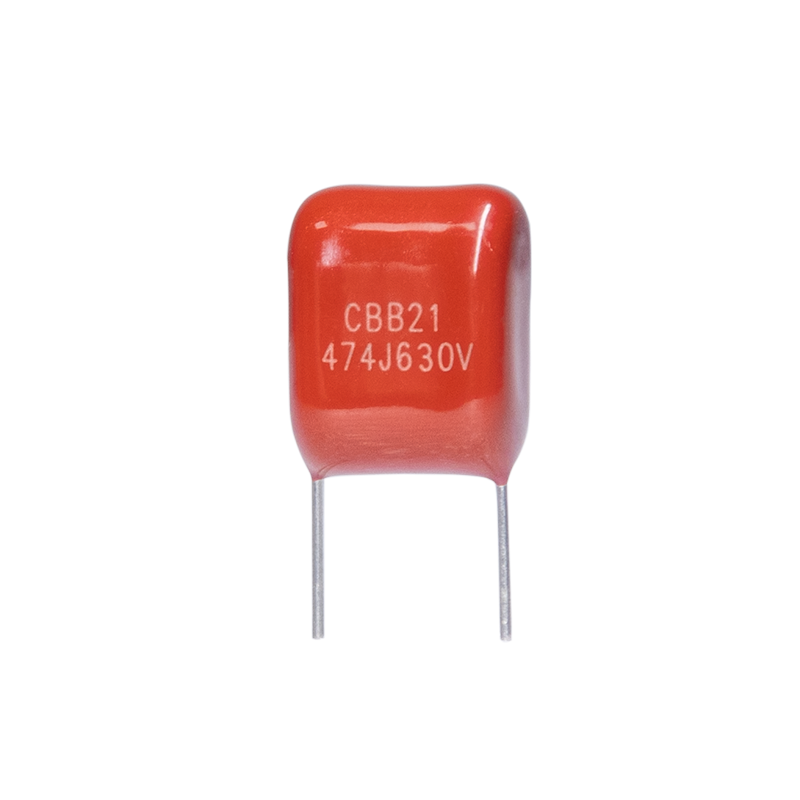
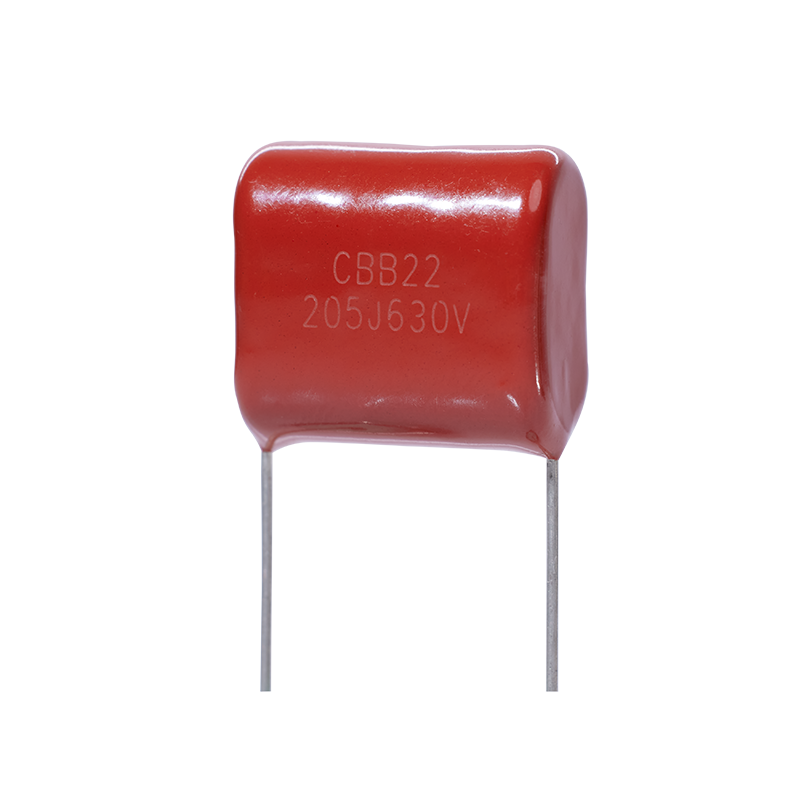
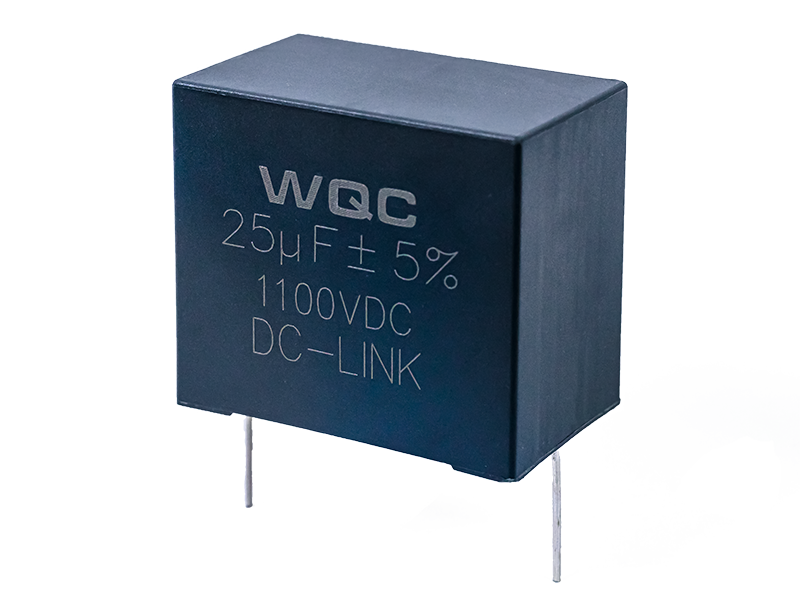
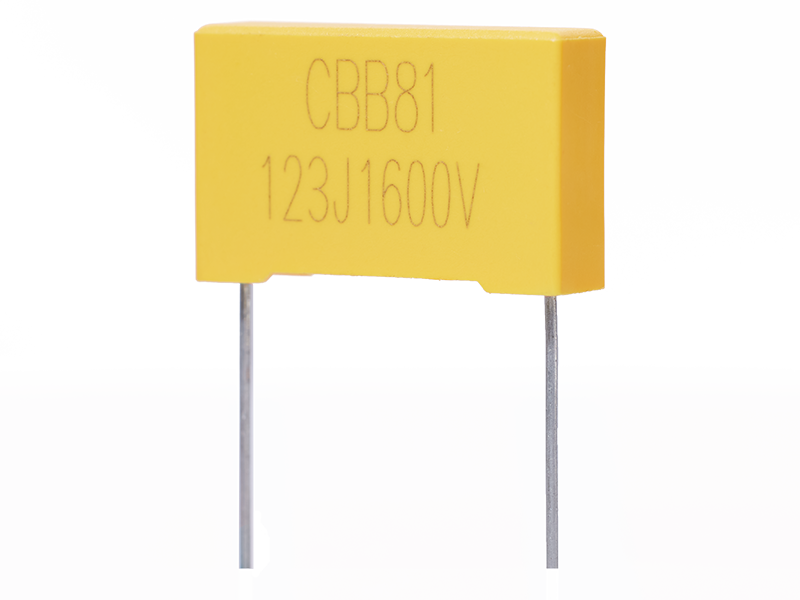
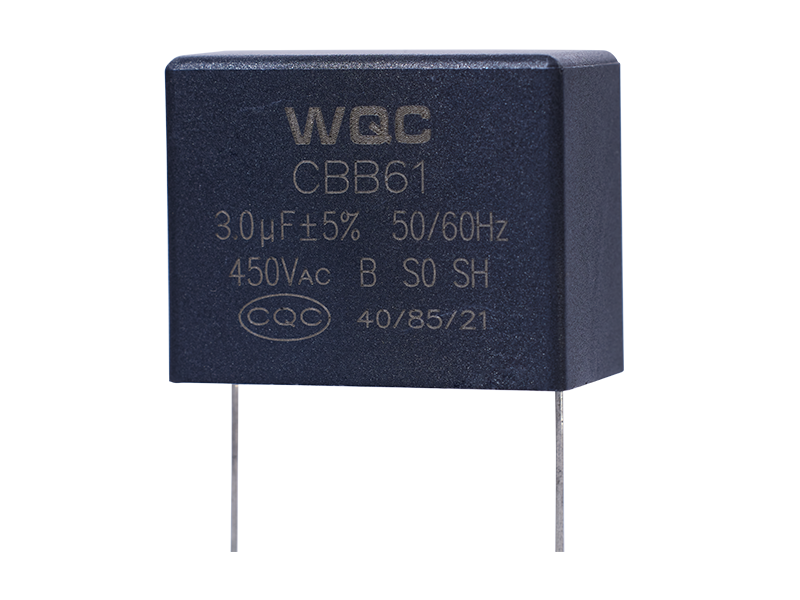
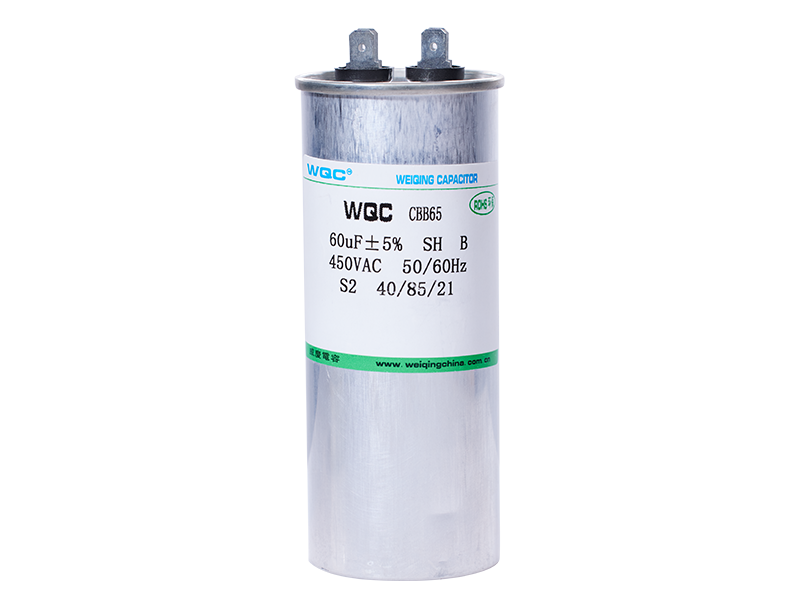
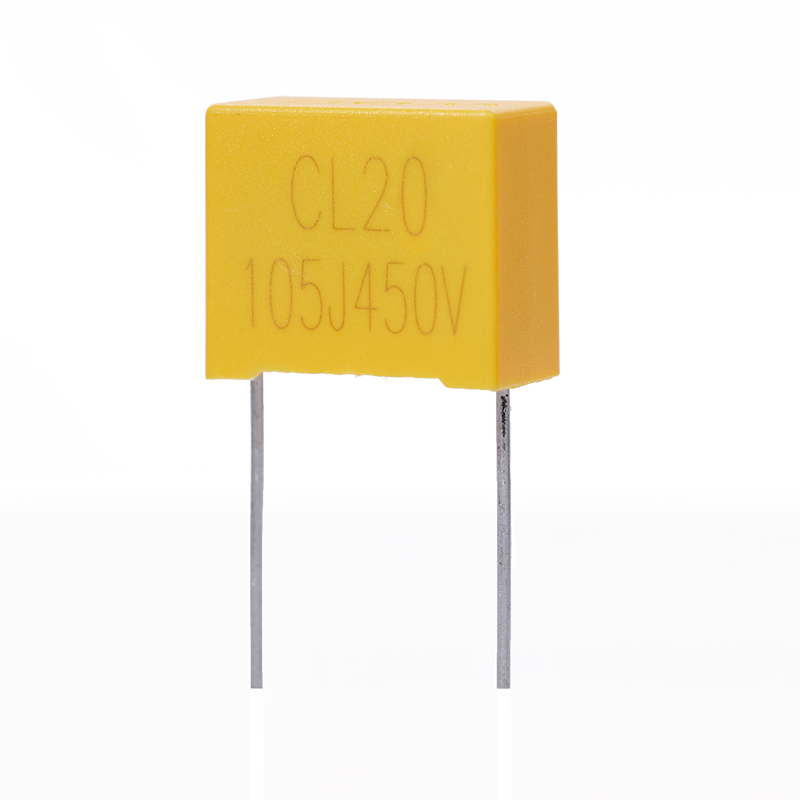
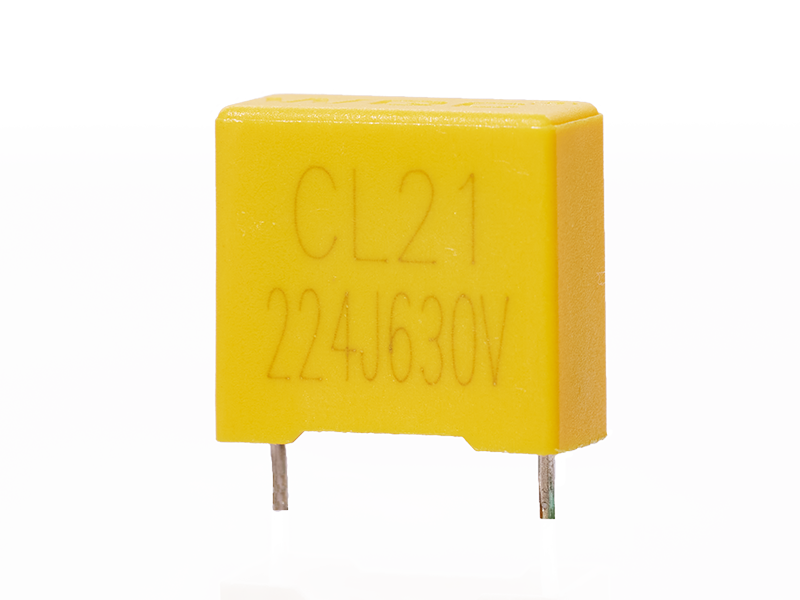
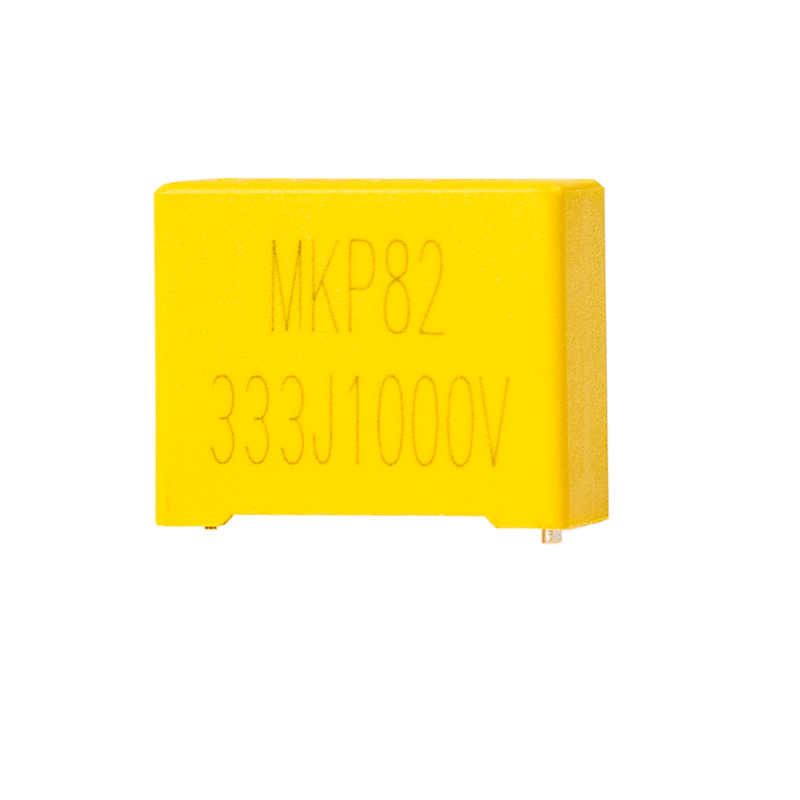
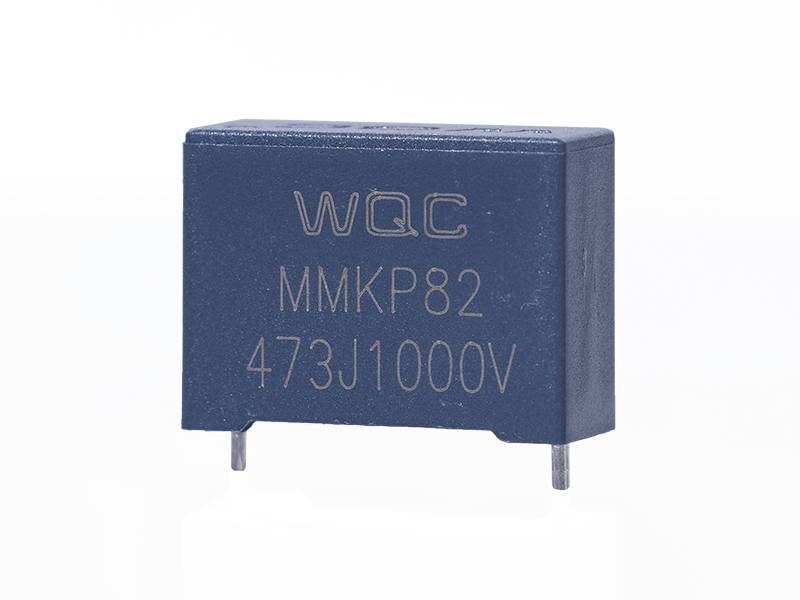
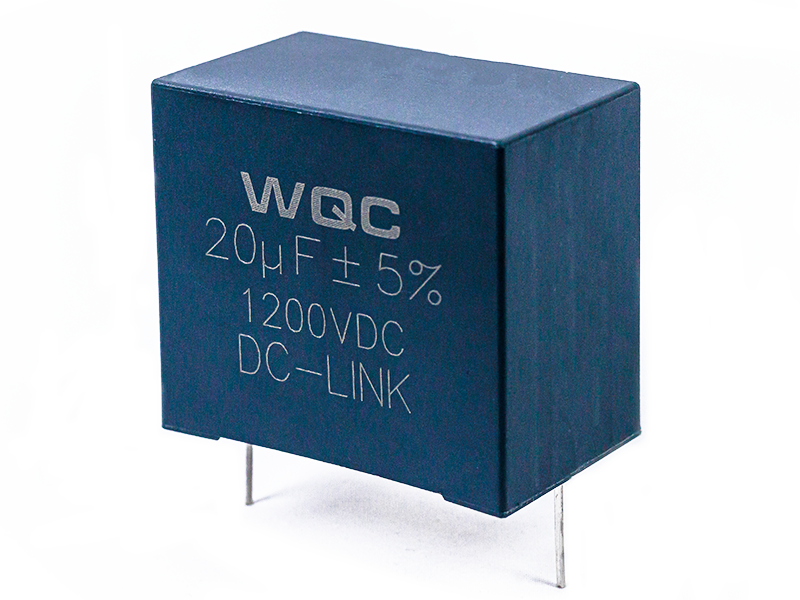

Analysis of the Characteristics, Applications, and Advantages of High-Frequency Metal Film Capacitors
Release time:
2025-06-13 11:09
Source:
As a key component in electronic devices, high-frequency metal film capacitors play an irreplaceable role in high-frequency circuits thanks to their excellent electrical performance and stability. This article provides a detailed analysis of high-frequency metal film capacitors from three perspectives: their fundamental characteristics, application fields, and advantages.
I. Basic Characteristics of High-Frequency Metal-Film Capacitors
High-frequency metal-film capacitors employ vacuum vapor deposition technology to directly deposit an ultra-thin metallic layer (such as zinc or aluminum-zinc alloy) onto an extremely thin plastic dielectric film, serving as the electrode—rather than using separate metal foils. This unique structure endows the capacitor with exceptionally high self-healing capability. When defects occur in the film or when the dielectric experiences localized breakdown due to overvoltage surges, the metallic coating surrounding the breakdown point rapidly evaporates and oxidizes under the intense heat and electric arc generated at the moment of breakdown, forming an insulating isolation zone. As a result, the short-circuit location is automatically eliminated, allowing the capacitor to return to an insulation state nearly identical to its pre-breakdown condition and continue operating normally. In addition, high-frequency metal-film capacitors feature low losses, excellent frequency characteristics, a small temperature coefficient, and high dielectric strength.
II. Application Fields of High-Frequency Metal Film Capacitors
High-frequency circuits: High-frequency metal film capacitors perform exceptionally well in high-frequency circuits, such as applications involving resonance, impedance matching, and filtering. Their outstanding frequency characteristics enable these capacitors to maintain low equivalent series resistance (ESR) and low equivalent series inductance (ESL) during high-frequency signal transmission, thereby reducing signal loss and distortion and improving signal transmission quality.
Audio Equipment: In audio equipment, high-frequency metal-film capacitors are commonly used in circuits such as coupling and crossover networks. Their low-distortion and low-loss characteristics ensure that audio signals remain purer during transmission, thereby enhancing sound quality.
Lighting electronic ballasts: High-frequency metal film capacitors play a crucial role in lighting electronic ballasts by providing resonance, filtering, and suppressing interference. Their high-temperature resistance and stable performance enable these capacitors to operate reliably over the long term even under harsh working conditions.
Buffering and Absorption Circuit: When switching devices (such as IGBTs) turn off, high-frequency metal-film capacitors can absorb voltage spikes, protecting the circuit from damage.
III. Advantages of High-Frequency Metal Film Capacitors
High Reliability: The self-healing property enables high-frequency metal film capacitors to automatically repair short-circuit points when subjected to overvoltage surges, significantly enhancing the capacitor’s long-term operational reliability and service life.
Excellent frequency characteristics: High-frequency metal film capacitors can maintain low ESR and ESL in high-frequency circuits, ensuring more stable and efficient signal transmission.
Excellent temperature stability: The use of film materials such as polypropylene enables high-frequency metal-film capacitors to have a small temperature coefficient, ensuring stable capacitance over a wide range of temperatures and making them suitable for various operating environments.
High Voltage Withstand Capability: Thin-film dielectrics exhibit a very high breakdown voltage strength. Combined with their self-healing capability, high-frequency metal-film capacitors demonstrate excellent resistance to both high voltages and surge voltages.
Related News
2026 Complete Guide: What Is a Thin Film Capacitor, Uses & Selection Tips
This 2026 updated guide from Weiqing Electronics breaks down all essential information about thin film capacitors, from basic definitions to practical selection strategies. Drawing on our years of manufacturing and testing experience, we share real test data, industry insights, and objective comparisons to help you pick the right component for your electronic design.
2026 Complete Guide to Thin Film Capacitor: Selection, Types & Applications
This 2026 professional guide breaks down all key information about thin film capacitors, from basic working principles to practical selection tips. Drawing on over 30 years of manufacturing experience at Weiqing Electronics, it helps designers and procurement teams pick the right component, answering common questions and comparing performance across types.
Thin Film Capacitor: Types, Applications, Benefits & Selection Guide 2026
This complete 2026 guide covers all key aspects of thin film capacitors, including basic definitions, core types, performance advantages, common applications, and expert selection tips. Backed by Weiqing Electronics’ 20+ years of manufacturing experience and third-party industry data, this guide helps engineers and procurement professionals make informed decisions for consumer automotive, industrial, and aerospace electronic projects.
Resonant Capacitor 2026 Guide: Types, Selection & Applications for Engineers
This guide covers all core knowledge of resonant capacitors for 2026, from basic definitions and working principles to selection criteria and common application scenarios. We combine Weiqing Electronics’ decades of manufacturing and testing experience to deliver objective, professional insights, helping engineers and procurement professionals avoid common selection mistakes and improve circuit performance.
Resonant Capacitor: Complete 2026 Guide for Selection and Applications
This 2026 expert guide from Weiqing Electronics breaks down all key information about resonant capacitors, from core definitions and working principles to practical selection tips and troubleshooting. It includes in-house test data and real-world experience to help you pick the right component for your project.
Complete 2026 Guide: How to Choose a Reliable Capacitor Manufacturing Plant
This guide covers all critical aspects of sourcing from a professional capacitor manufacturing plant, from quality control protocols to production capacity and custom design support. We draw on 20+ years of hands-on production experience, 2026 industry data, and answer common questions to help you avoid sourcing risks. Whether you need prototypes or bulk production, this guide helps you make an informed decision.
Service Hotline:
Contact
Phone: +86 13826981362
Tel:+86 076988956188
E-mail: wqc001@weiqingchina.com.cn
Address: Weiqing Electronics Co., Ltd., Floor 1, Building 12, No.7, Science and Technology 10th Road, Songshan Lake High-tech Development Zone, Songshan Lake Administrative Committee, Dongguan City, Guangdong Province
Mobile Website

Scan Consultation