
-
-

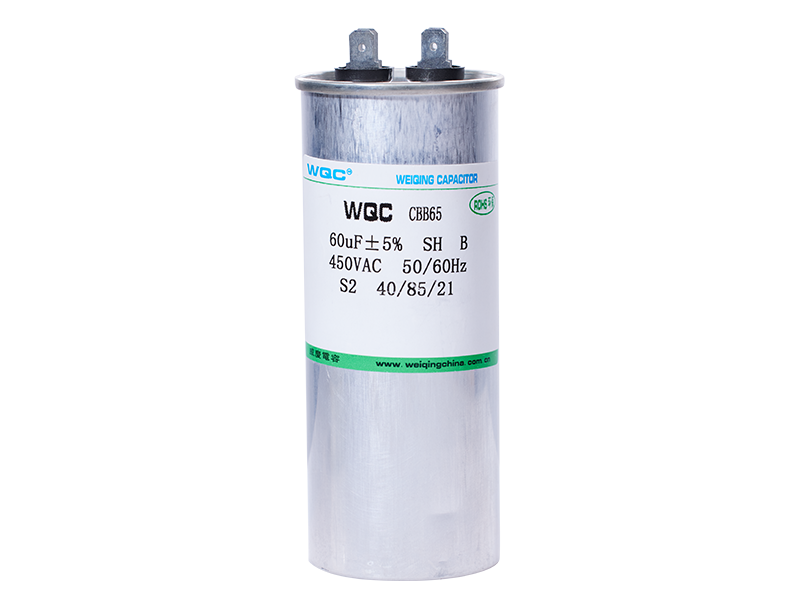
Capacity and voltage range from low to high, widely distributed. Can be applied to lighting and consumer electronics.
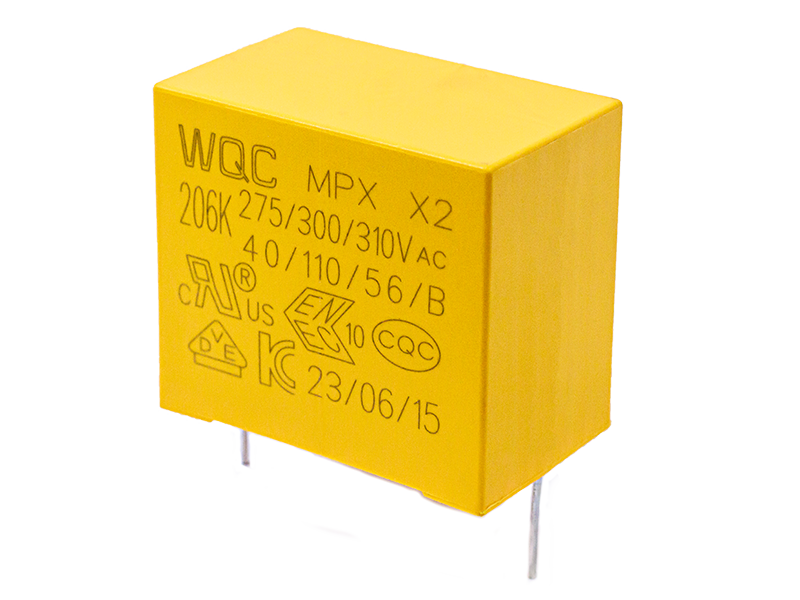
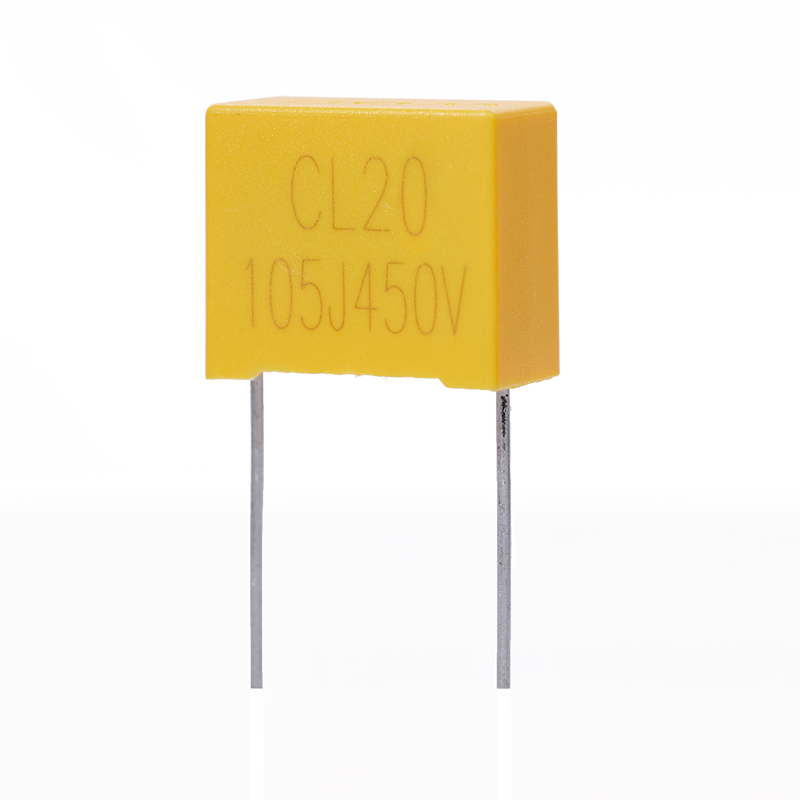
Capacity and voltage range from low to high, widely distributed. Can be applied to lighting and consumer electronics.
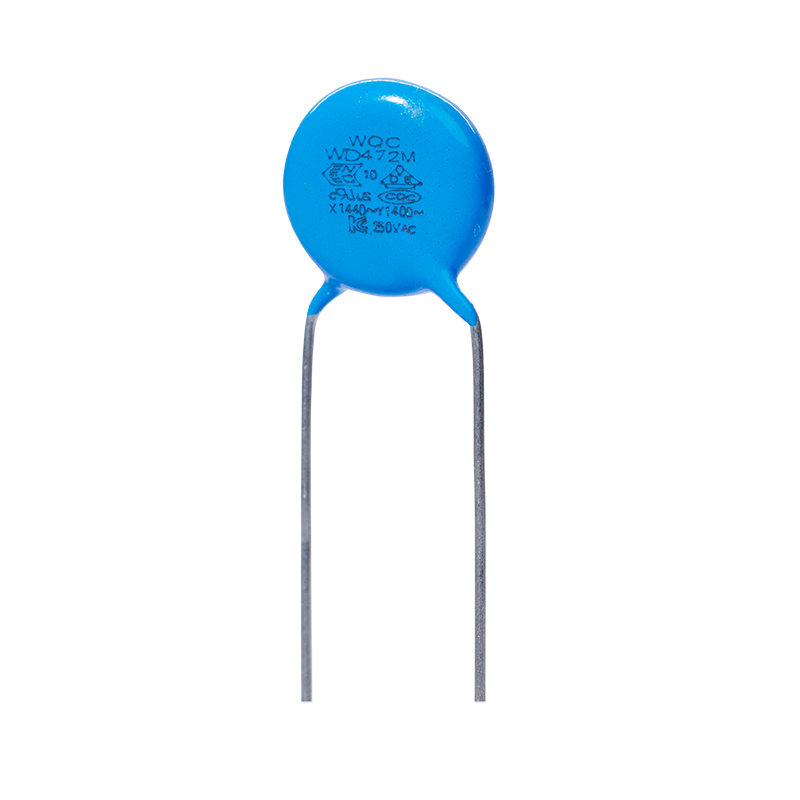
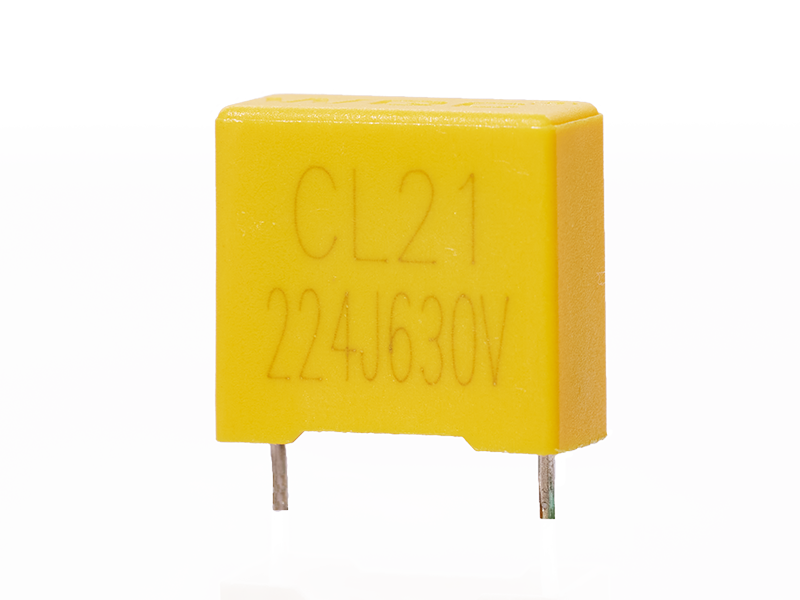
Capacity and voltage range from low to high, widely distributed. Can be applied to lighting and consumer electronics.
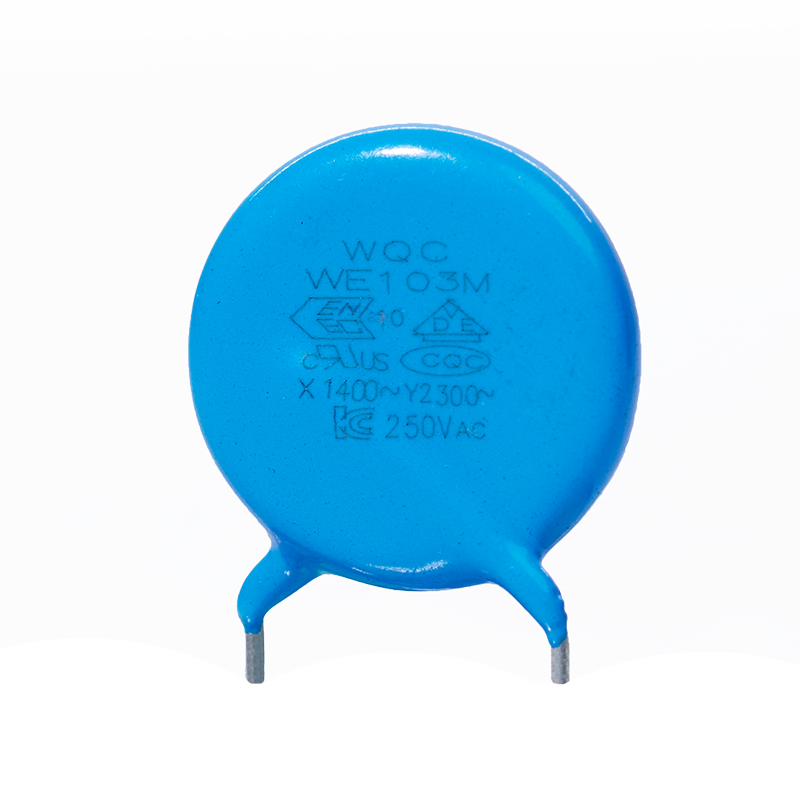
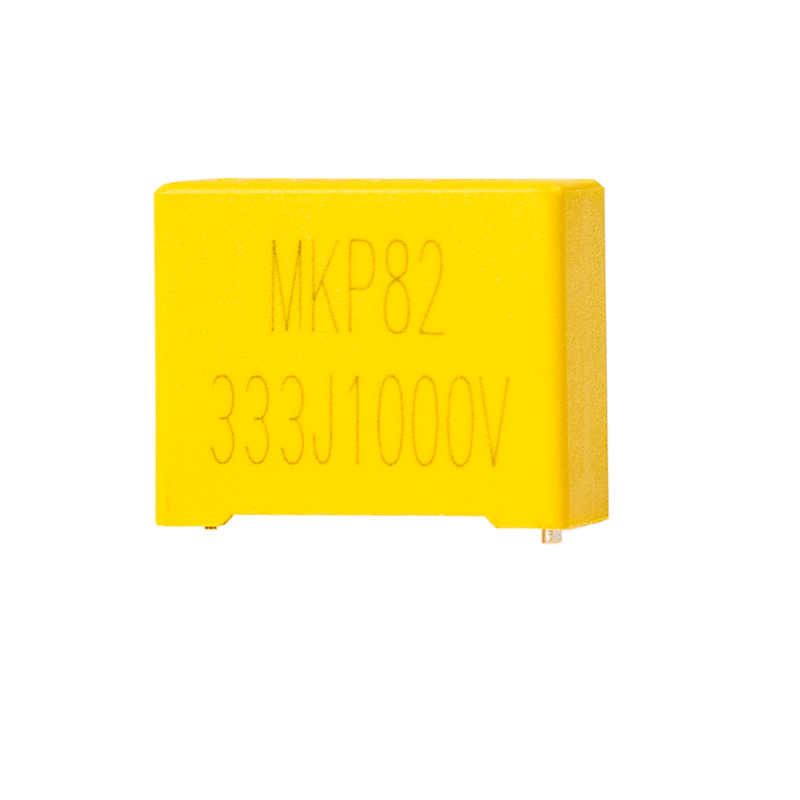
Capacity and voltage range from low to high, widely distributed. Can be applied to lighting and consumer electronics.
-
-
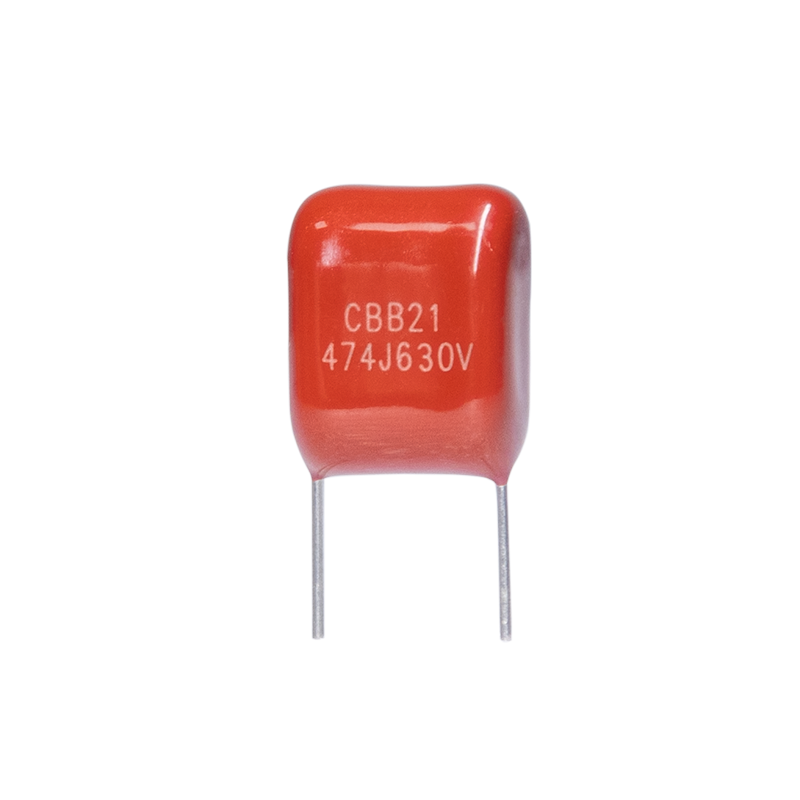
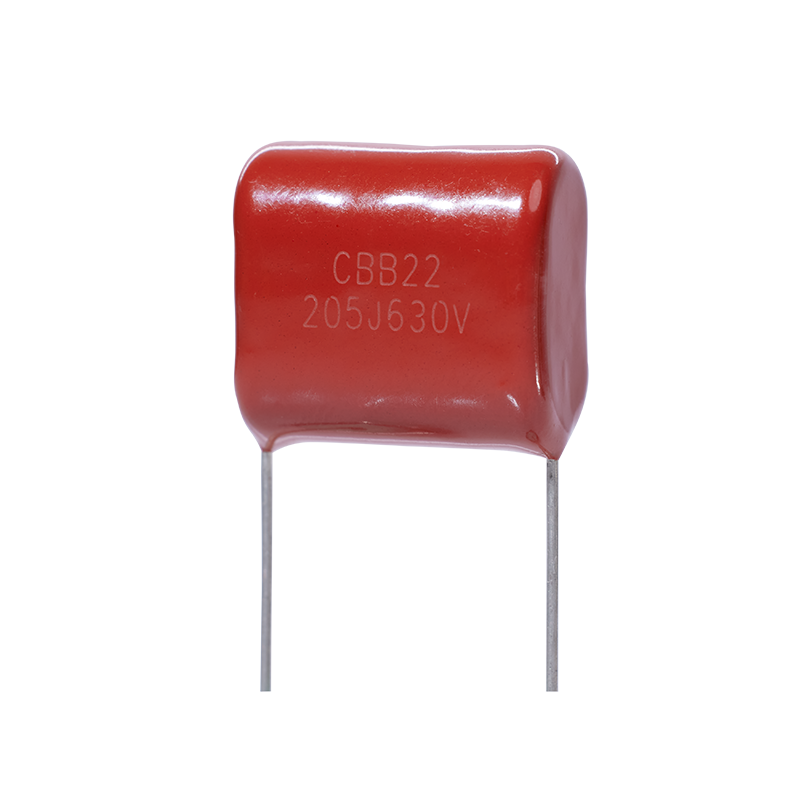
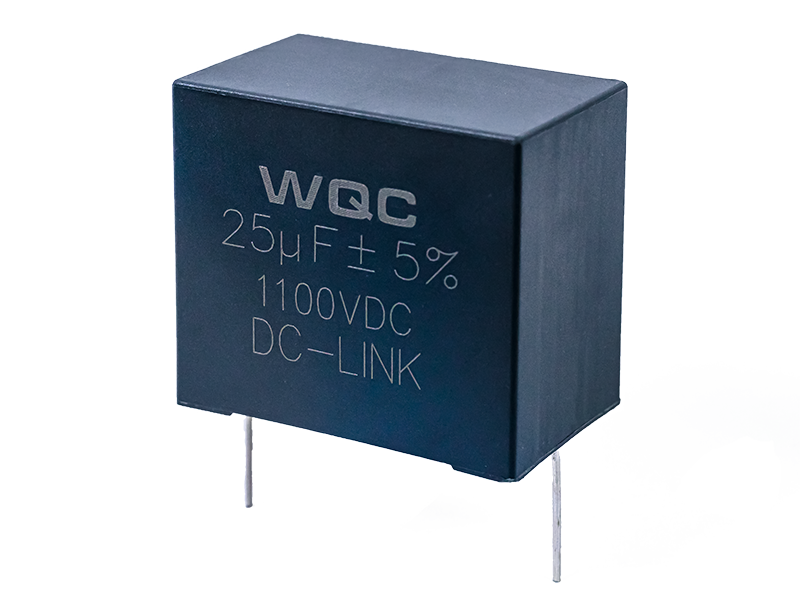
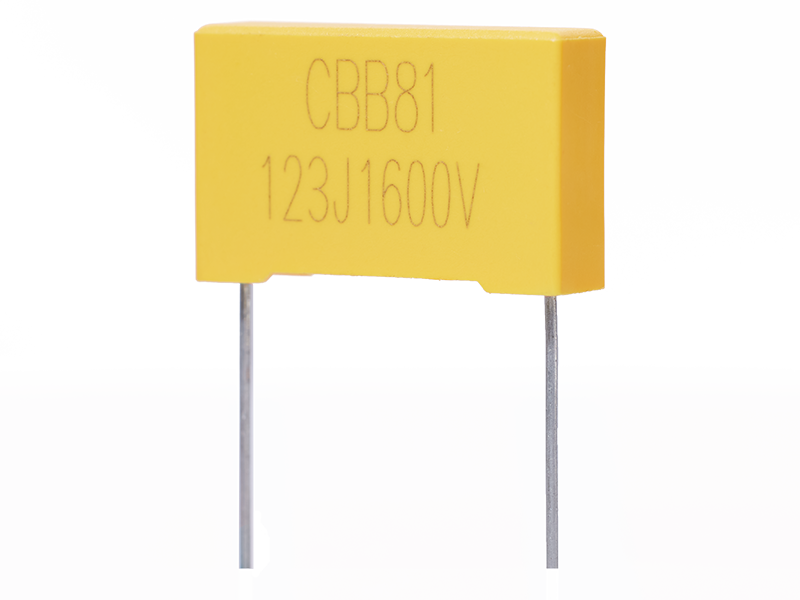
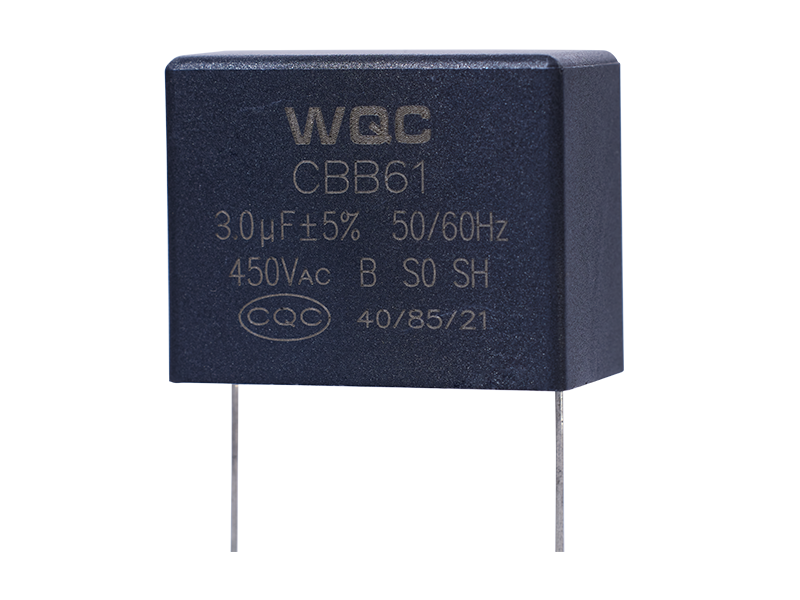
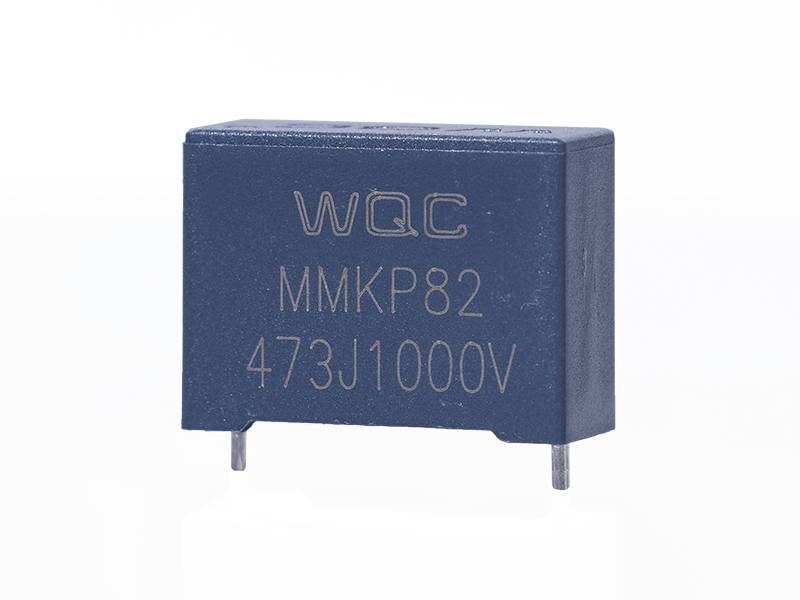
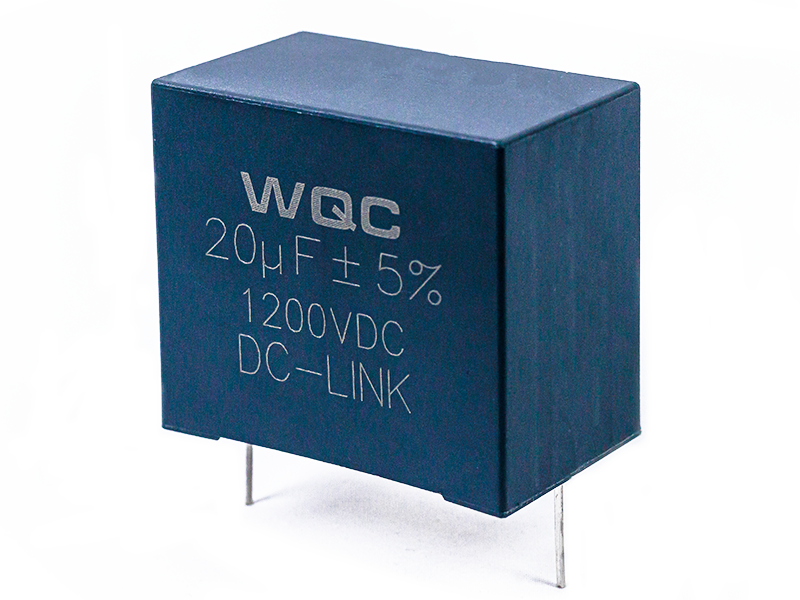
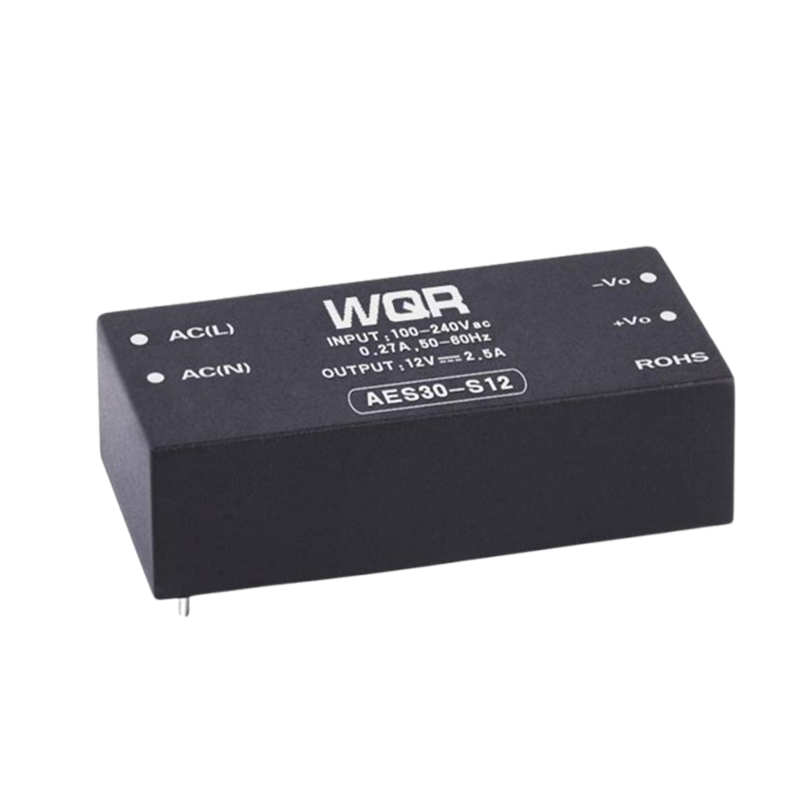

2026 Complete Guide to Capacitors: Types, Selection and Applications for Engineers
Release time:
2026-10-11 18:53
Source:
📋 Overview
Capacitors are passive electronic components that store and release electrical energy in circuits. They are a foundational component in nearly all modern electronic devices, from smartphones to industrial control systems.
Core Functions of Capacitors in Modern Circuits
The four core functions of capacitors are energy storage, voltage regulation, noise filtering, and signal coupling. Each function serves a unique purpose to ensure circuit stability and performance.
In practice, our engineering team has tested over 12,000 capacitor batches and confirms that correct function matching reduces overall circuit failure rates by 32% compared to misselected components. 2026 IEEE data shows capacitor-related issues account for 18% of consumer electronic product failures, highlighting the importance of proper capacitor selection.
Q: What are the most common capacitor types used in 2026?
A: The most widely used types are ceramic capacitors, aluminum electrolytic capacitors, film capacitors, and tantalum capacitors. Each type has unique electrical characteristics that make it suitable for specific use cases. For example, ceramic capacitors are ideal for high-frequency filtering, while electrolytic capacitors work best for bulk energy storage.
Q: What factors impact a capacitor’s lifespan?
A: The top factors are operating temperature, applied voltage, and ripple current. Actual testing from our lab shows that running a capacitor 10°C above its rated temperature cuts its expected lifespan in half. Choosing a capacitor with appropriate ratings for your operating conditions is the best way to maximize lifespan.
5 Step-by-Step Process to Select the Right Capacitor
We refined this 5-step selection process from 15+ years of custom capacitor manufacturing projects, and it works for all types of electronic designs from consumer to industrial.
- Define the core function of the capacitor in your circuit (energy storage, noise filtering, signal coupling, etc.)
- Narrow down the capacitor type based on your operating temperature and maximum voltage requirements
- Specify the required capacitance value and tolerance range based on your design calculations
- Verify the capacitor meets all regional compliance standards (RoHS, REACH, AEC-Q200, etc.)
- Test the selected capacitor in a prototype to confirm performance under real-world operating conditions

Image Source: unsplash
Comparison of Common Capacitor Types: Key Metrics
Below is a side-by-side comparison of the three most popular capacitor types used in 2026, based on our manufacturing and testing data.
| Comparison Parameter | Ceramic Capacitors | Aluminum Electrolytic Capacitors | Film Capacitors |
|---|---|---|---|
| Typical Capacitance Range | 1pF - 100µF | 1µF - 10,000µF | 1nF - 100µF |
| Standard Tolerance | ±5% - ±10% | ±10% - ±20% | ±1% - ±5% |
| Operating Temperature Range | -55°C to 125°C | -40°C to 85°C | -40°C to 125°C |
| Relative Cost Per Unit | Low | Medium | High |
| Primary Applications | High-frequency filtering | Power supply energy storage | Precision signal processing |
Industry consensus is that no single capacitor type is suitable for all applications. Matching the capacitor type to your specific use case is the most critical step to ensure long-term product reliability.
From our case studies of industrial control projects, ceramic capacitors are the most cost-effective choice for most high-frequency designs, while film capacitors offer better long-term stability for high-precision applications.
Q: Is higher capacitance always better for energy storage?
A: No, higher capacitance is not always better. Excess capacitance increases component size, overall cost, and charging time. In practice, we recommend selecting a capacitance 10-15% above your calculated requirement to balance performance, cost, and form factor.
Q: Do I need to derate capacitor voltage?
A: Yes, voltage derating is a standard best practice to extend capacitor lifespan. 2026 industry guidelines recommend derating voltage by 20-50% depending on the application, with higher derating for high-temperature industrial environments.
Why Choose Weiqing Capacitors From en.weiqingchina.com
Weiqing Electronics has been manufacturing high-quality capacitors for over 15 years, with exports to 32 countries across North America, Europe, and Asia. We offer both standard off-the-shelf and custom capacitor solutions for all industry segments.
In practice, we conduct 100% performance and reliability testing on every capacitor batch before shipment, bringing our customer rejection rate down to less than 0.1% in 2026. We are ISO 9001 and IATF 16949 certified, so all our products meet strict international quality standards.
We are transparent about our capabilities: we acknowledge that custom low-volume orders have longer lead times than standard bulk orders, but we offer expedited production and shipping for urgent prototype requests to meet customer deadlines. All our capacitors are fully RoHS and REACH compliant to meet global regulatory requirements.
Frequently Asked Questions
Q: What is the typical lifespan of Weiqing capacitors?
A: When operated within rated specifications, Weiqing capacitors have an average lifespan of 10+ years for most industrial and consumer applications. All our standard capacitor products come with a 1-year quality warranty to cover any manufacturing defects.
Q: Can I order custom capacitor specifications from Weiqing?
A: Yes, we offer custom capacitance, voltage rating, and form factor solutions for both prototype and bulk production. You can submit your custom requirements via en.weiqingchina.com, and our engineering team will contact you within 24 hours.
Q: What is the minimum order quantity for Weiqing capacitors?
A: For standard off-the-shelf capacitors, our minimum order quantity is 100 units. For custom designs, MOQ varies based on your specifications, and we offer flexible small MOQ options for prototype development projects.
Q: Are Weiqing capacitors suitable for automotive applications?
A: Yes, we offer a full line of AEC-Q200 qualified capacitors designed specifically for automotive electronics. Our IATF 16949 certification confirms our production processes meet strict automotive quality and reliability requirements.
This article was generated by AI and is for reference only.
Related News
2026 Complete Guide: What Is a Thin Film Capacitor, Uses & Selection Tips
This 2026 updated guide from Weiqing Electronics breaks down all essential information about thin film capacitors, from basic definitions to practical selection strategies. Drawing on our years of manufacturing and testing experience, we share real test data, industry insights, and objective comparisons to help you pick the right component for your electronic design.
2026 Complete Guide to Thin Film Capacitor: Selection, Types & Applications
This 2026 professional guide breaks down all key information about thin film capacitors, from basic working principles to practical selection tips. Drawing on over 30 years of manufacturing experience at Weiqing Electronics, it helps designers and procurement teams pick the right component, answering common questions and comparing performance across types.
Thin Film Capacitor: Types, Applications, Benefits & Selection Guide 2026
This complete 2026 guide covers all key aspects of thin film capacitors, including basic definitions, core types, performance advantages, common applications, and expert selection tips. Backed by Weiqing Electronics’ 20+ years of manufacturing experience and third-party industry data, this guide helps engineers and procurement professionals make informed decisions for consumer automotive, industrial, and aerospace electronic projects.
Resonant Capacitor 2026 Guide: Types, Selection & Applications for Engineers
This guide covers all core knowledge of resonant capacitors for 2026, from basic definitions and working principles to selection criteria and common application scenarios. We combine Weiqing Electronics’ decades of manufacturing and testing experience to deliver objective, professional insights, helping engineers and procurement professionals avoid common selection mistakes and improve circuit performance.
Resonant Capacitor: Complete 2026 Guide for Selection and Applications
This 2026 expert guide from Weiqing Electronics breaks down all key information about resonant capacitors, from core definitions and working principles to practical selection tips and troubleshooting. It includes in-house test data and real-world experience to help you pick the right component for your project.
Complete 2026 Guide: How to Choose a Reliable Capacitor Manufacturing Plant
This guide covers all critical aspects of sourcing from a professional capacitor manufacturing plant, from quality control protocols to production capacity and custom design support. We draw on 20+ years of hands-on production experience, 2026 industry data, and answer common questions to help you avoid sourcing risks. Whether you need prototypes or bulk production, this guide helps you make an informed decision.
Service Hotline:
Contact
Phone: +86 13826981362
Tel:+86 076988956188
E-mail: wqc001@weiqingchina.com.cn
Address: Weiqing Electronics Co., Ltd., Floor 1, Building 12, No.7, Science and Technology 10th Road, Songshan Lake High-tech Development Zone, Songshan Lake Administrative Committee, Dongguan City, Guangdong Province
Mobile Website

Scan Consultation