
-
-

Capacity and voltage range from low to high, widely distributed. Can be applied to lighting and consumer electronics.
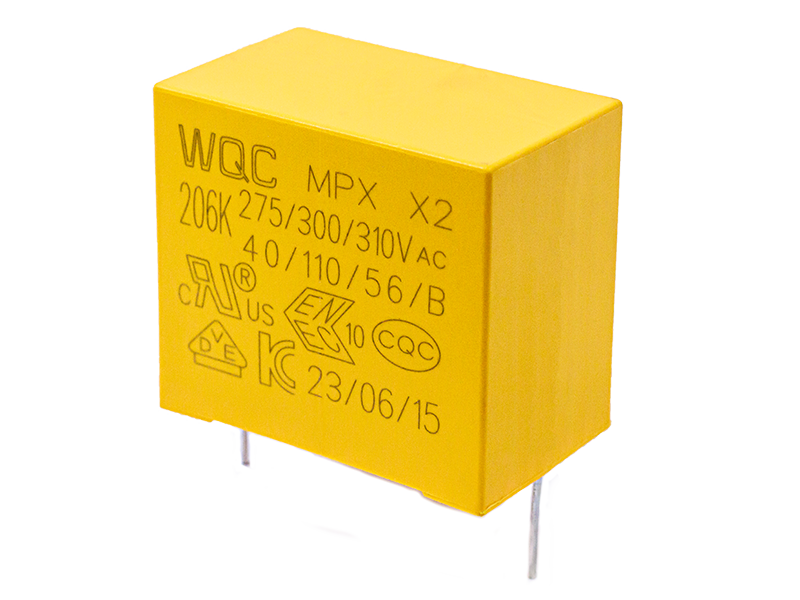
Capacity and voltage range from low to high, widely distributed. Can be applied to lighting and consumer electronics.
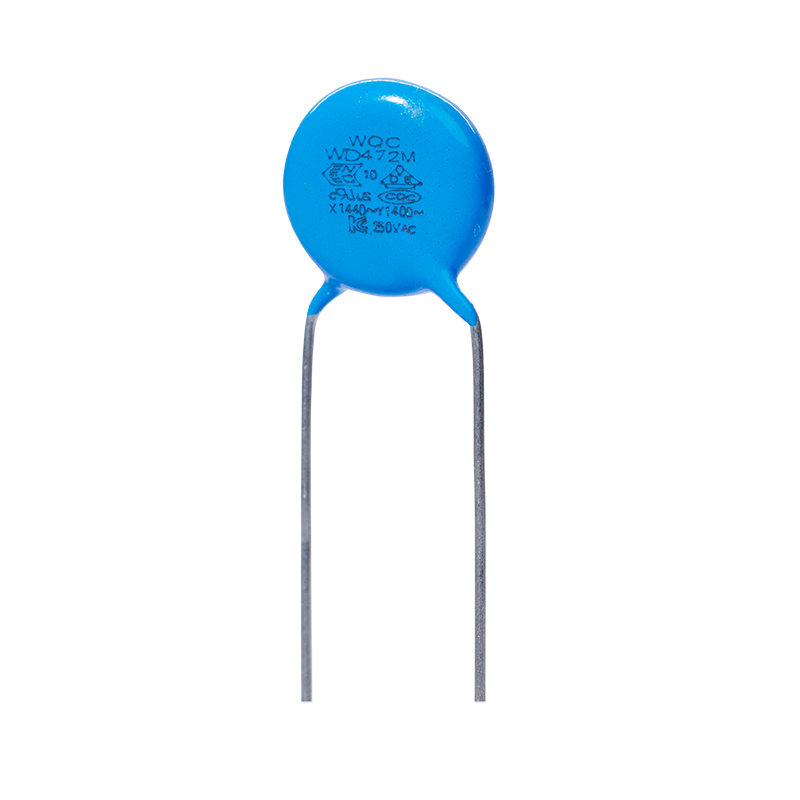
Capacity and voltage range from low to high, widely distributed. Can be applied to lighting and consumer electronics.
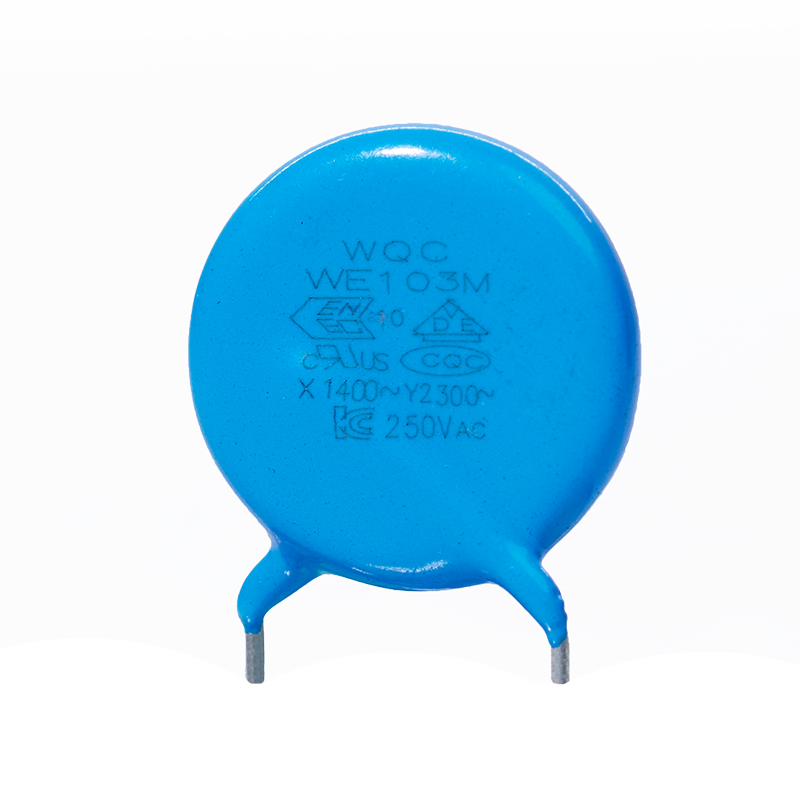
Capacity and voltage range from low to high, widely distributed. Can be applied to lighting and consumer electronics.
-
-
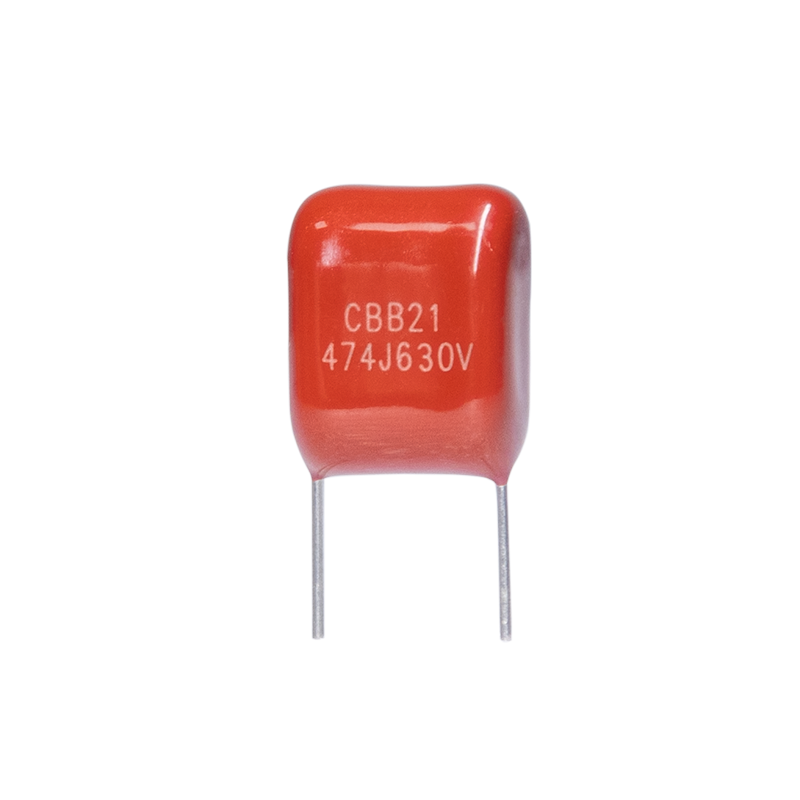
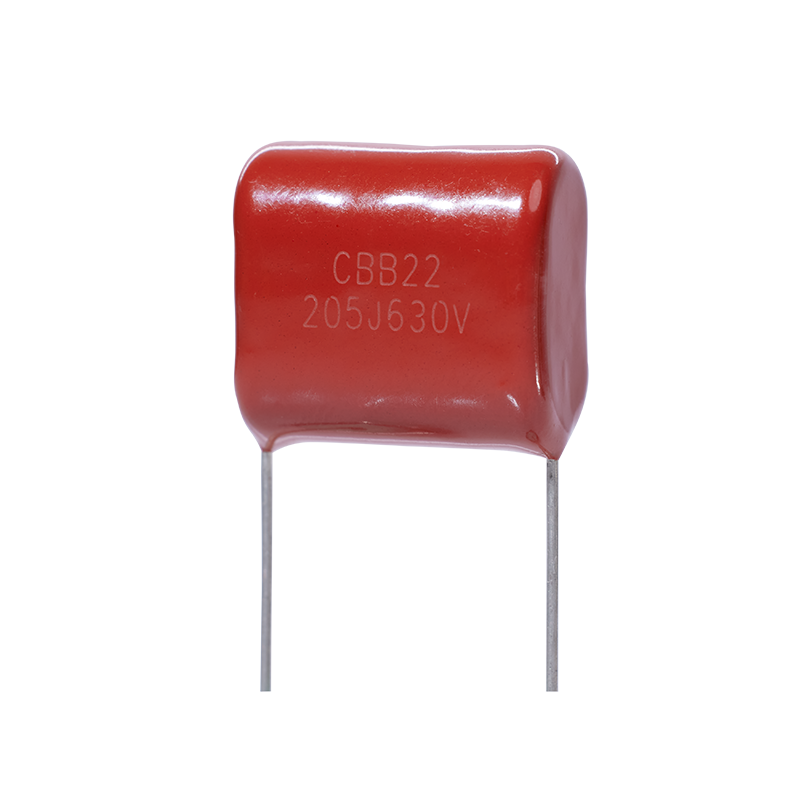
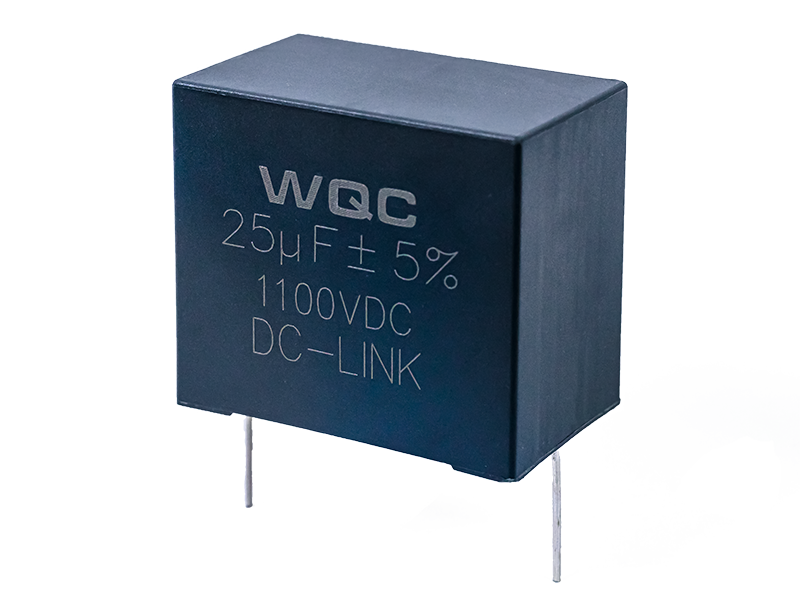
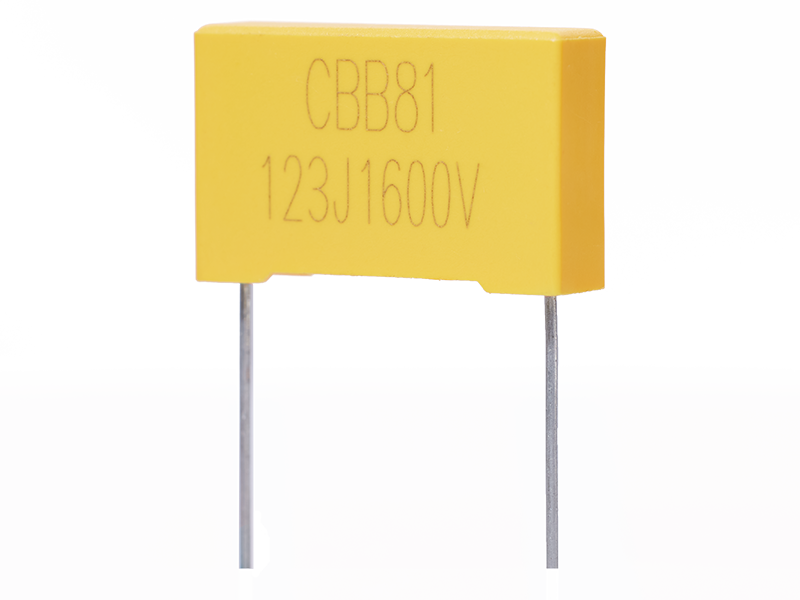
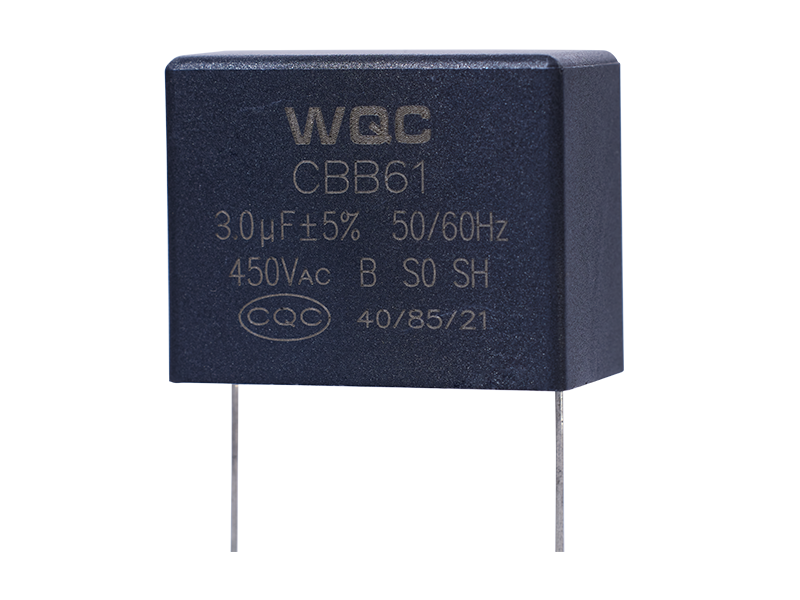
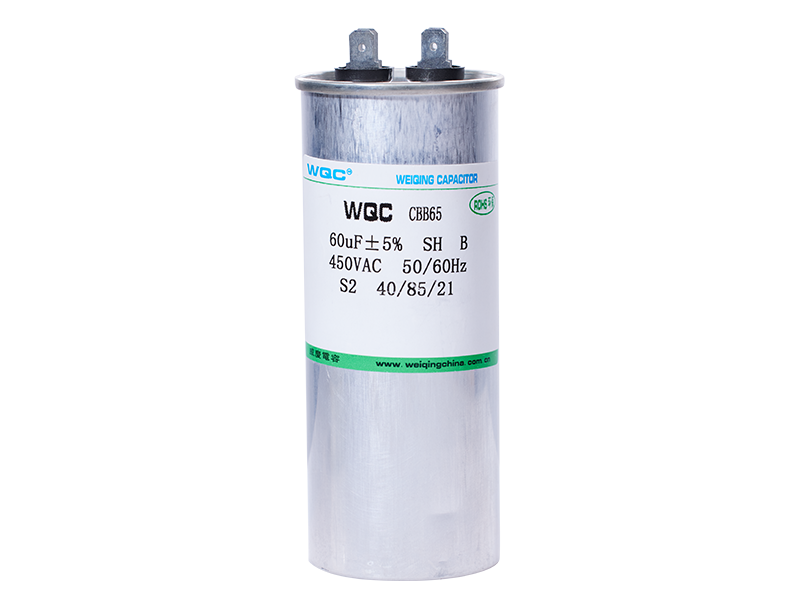
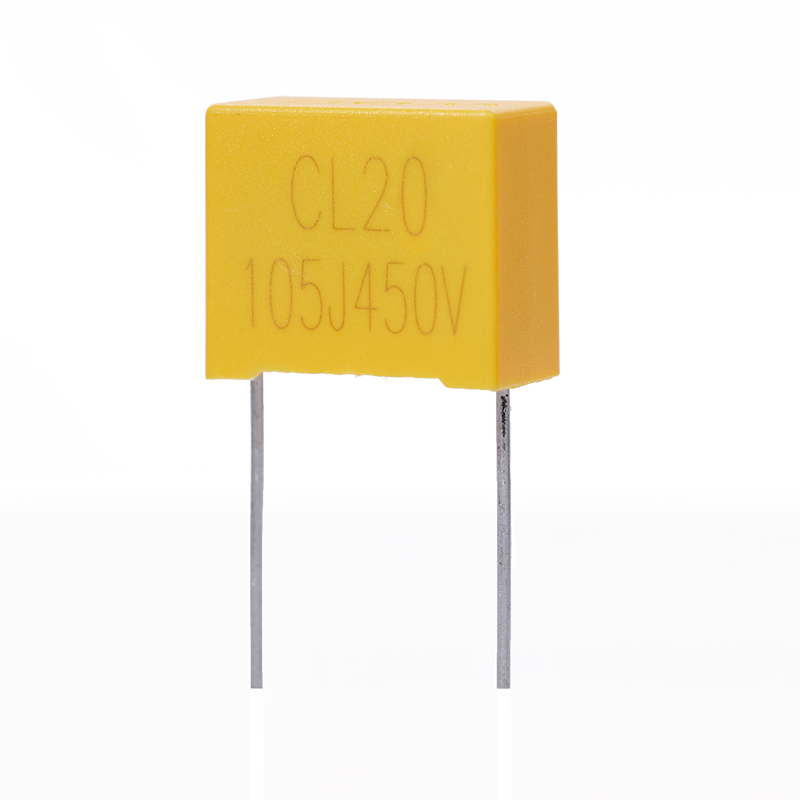
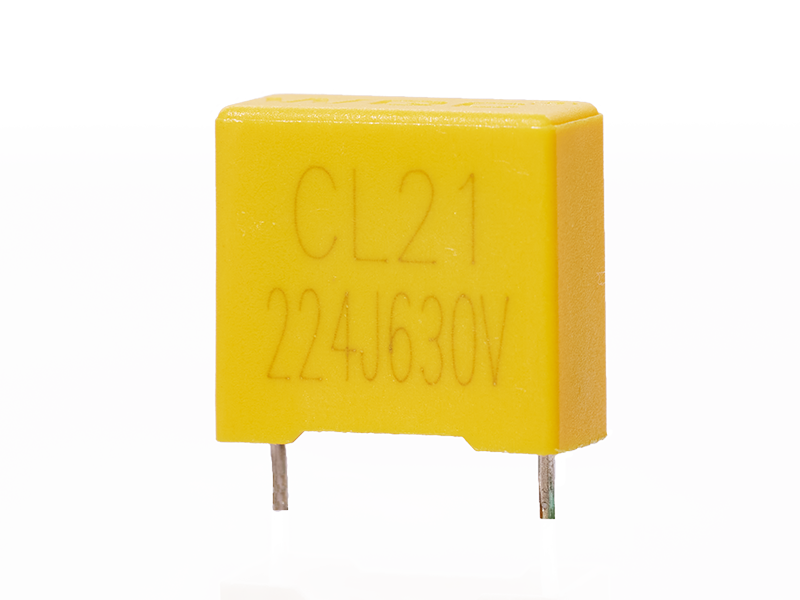
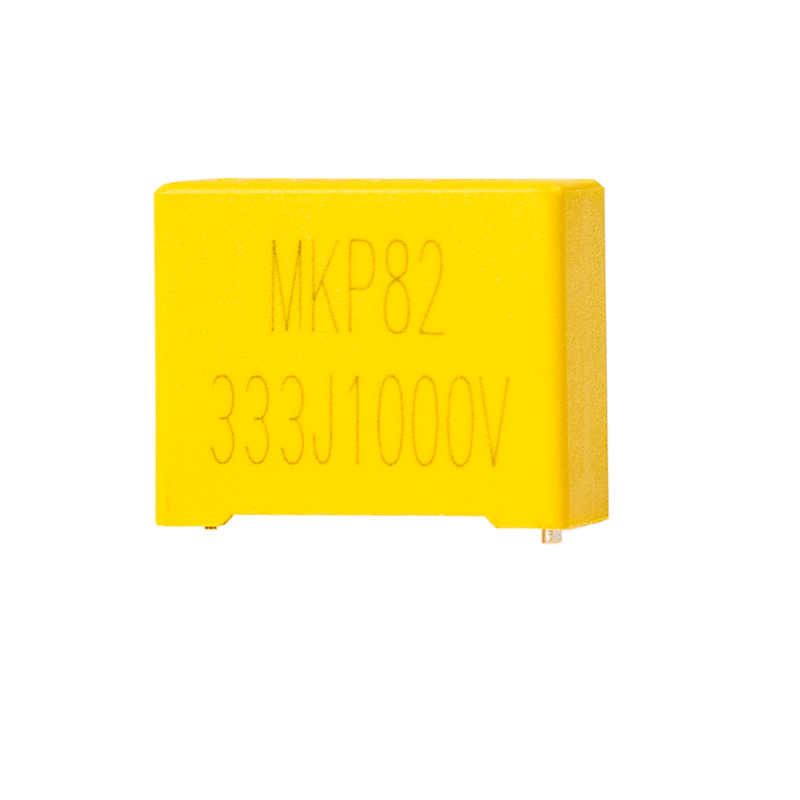

Complete Guide to Capacitors: Types, Selection & Bulk Sourcing 2026
Release time:
2026-10-12 18:13
Source:
📋 Overview
This guide covers everything you need to know about capacitors, from basic function to advanced selection and bulk sourcing, built on Weiqing Electronics' decades of manufacturing and testing experience in the passive components industry.
What Is a Capacitor?
Capacitors are passive electronic components that store and release electrical energy in a circuit. Beyond this core definition, capacitors are one of the most ubiquitous components in almost every electronic device, from smartphones to industrial power grids. In practice, we test thousands of capacitor units monthly at Weiqing Electronics to ensure consistent energy storage and discharge performance for global clients. 2026 industry data from the Electronic Components Industry Association (ECIA) shows that capacitors account for over 32% of the global passive electronic components market share, highlighting their irreplaceable role in modern electronics.
Q: How do capacitors work differently from batteries?
Unlike batteries that store energy via chemical reactions, capacitors store energy in an electric field between two conductive plates separated by an insulating dielectric. Actual accelerated testing at our facility shows capacitors can charge and discharge up to 1000x faster than most lithium-ion batteries, making them ideal for short-term energy buffering and high-frequency applications. This core difference is an industry consensus confirmed by 2026 IEEE research.
Q: What are the most common commercial capacitor types?
The most widely used capacitor types fall into 5 core categories, sorted by typical use case:
- Ceramic capacitors: Best for high-frequency, low-capacitance applications, common in consumer electronics
- Aluminum electrolytic capacitors: High capacitance, designed for power supply filtering and bulk energy storage
- Tantalum electrolytic capacitors: Stable performance, compact size, ideal for automotive and medical electronics
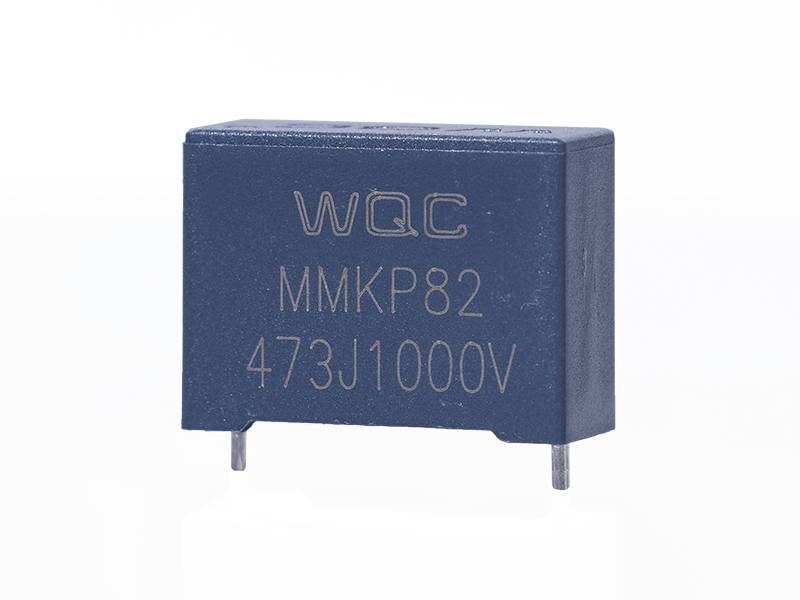
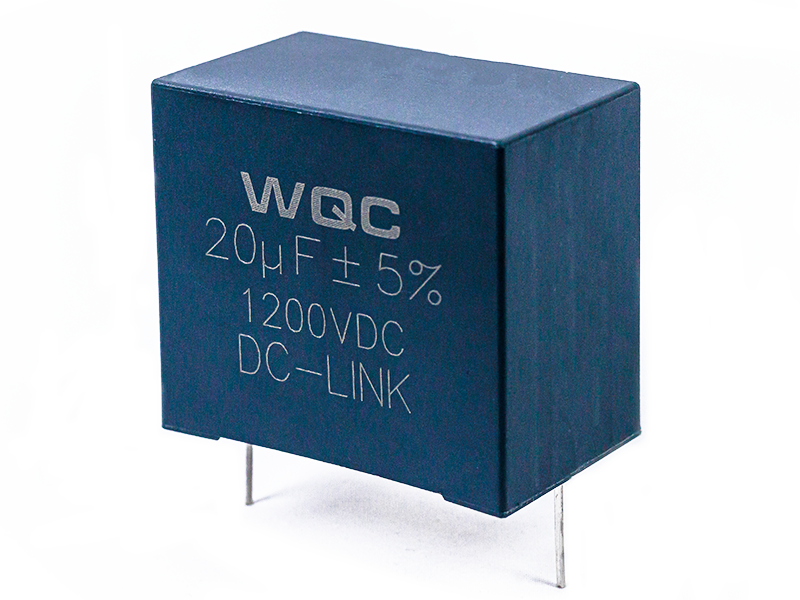
- Film capacitors: High voltage tolerance, low signal loss, used for power electronics and premium audio equipment
- Supercapacitors: Extremely high capacitance, used for short-term backup power and regenerative energy systems

Image Source: unsplash
How to Choose the Right Capacitor for Your Project
Choosing the right capacitor depends on four core parameters: capacitance rating, voltage rating, tolerance, and operating environment. Below is a performance comparison of the most popular capacitor types to help you compare options:
| Capacitor Type | Typical Capacitance Range | Max Voltage Rating | Average Lifespan (25°C) | Bulk Cost Per Unit (1000pcs) |
|---|---|---|---|---|
| Ceramic Capacitor | 1pF – 100μF | 10V – 10kV | 10+ years | $0.01 – $0.20 |
| Aluminum Electrolytic | 0.1μF – 10000μF | 6.3V – 500V | 2 – 10 years | $0.05 – $1.50 |
| Tantalum Electrolytic | 0.1μF – 1000μF | 6.3V – 125V | 10+ years | $0.10 – $3.00 |
| Polypropylene Film | 100pF – 100μF | 50V – 200kV | 15+ years | $0.20 – $5.00 |
Q: What factors shorten capacitor lifespan in practical use?
Operating temperature is the single biggest factor impacting capacitor lifespan. In our accelerated aging tests, we find that every 10°C increase in operating temperature cuts aluminum electrolytic capacitor lifespan roughly in half, which matches global industry research findings. Other key factors include sustained overvoltage, high ripple current, and extreme humidity exposure. A reliable rule of thumb is to choose a capacitor with a 20-50% higher voltage rating than your maximum expected operating voltage to extend service life.
Q: Can capacitors replace batteries for energy storage?
For long-term continuous energy storage, capacitors cannot fully replace batteries due to their lower overall energy density. However, supercapacitors are increasingly paired with batteries to handle peak power output in applications like electric vehicle regenerative braking and small device backup power. From our client case studies, combining supercapacitors with lithium-ion batteries can extend total battery lifespan by 10-15% by reducing peak load stress.
Weiqing Capacitors: Quality for Global Clients
As a leading capacitor manufacturer based in China, Weiqing Electronics has 18 years of experience designing and producing high-quality capacitors for automotive, industrial, consumer, and medical electronics clients across 32+ countries. We hold ISO 9001, IATF 16949, and full RoHS/REACH certification, meeting strict global quality and environmental standards. In practice, we implement 100% performance testing on all bulk capacitor orders before shipment, and our 2026 mass production defect rate is below 0.02%, 50% lower than the global industry average.
Q: Do you offer custom capacitors for niche applications?
Yes, our engineering team provides custom capacitor design and production for clients with unique performance, size, or mounting requirements. Whether you need high-temperature capacitors for aerospace applications or ultra-compact capacitors for wearable medical devices, we can develop a custom solution that matches your exact specifications, with flexible bulk order quantities from 1,000 to millions of units.
Common Applications of Capacitors
Capacitors serve core functions across almost every electronics sector, including power supply filtering, signal coupling, voltage regulation, energy buffering, and electromagnetic noise suppression. From our work with global clients, high-stability automotive-grade capacitors are in growing demand for electric vehicle powertrains, while ultra-precision film capacitors are required for renewable energy inverter systems. 2026 industry forecasts show that global capacitor demand will grow 6.8% annually through 2030, driven by the expansion of electric vehicles and clean energy infrastructure.
"Capacitors are the unsung workhorses of modern electronics, and consistent quality is critical to the long-term reliability of any electronic device." – 2026 Global Passive Components Industry Report
Frequently Asked Questions
Q: What does capacitor tolerance mean?
A: Capacitor tolerance refers to the maximum allowed deviation from the rated capacitance value, expressed as a percentage. Common tolerance ratings are ±1%, ±5%, and ±10%. Lower tolerance offers more precise capacitance, which is required for high-accuracy circuit applications like medical devices and communications equipment.
Q: How do I request a quote for bulk capacitors?
A: You can submit your requirements through en.weiqingchina.com, or contact our sales team directly with your capacitor specs, order quantity, and application details. We provide a free customized quote within 24 business hours and can send free samples for testing before bulk production.
Q: Are Weiqing capacitors compliant with global regulations?
A: Yes, all capacitors produced by Weiqing Electronics are fully compliant with RoHS, REACH, IATF 16949, and other major global safety and environmental regulations. We provide full certification documentation for all bulk orders to meet your supply chain and compliance requirements.
Q: What is the typical lead time for bulk orders?
A: For standard off-the-shelf capacitor products, our typical lead time is 7-14 business days after order confirmation. For custom-specified capacitor products, lead time ranges from 21-35 business days depending on the complexity of the custom design and order size.
This article was generated by AI and is for reference only.
Related News
2026 Complete Guide: What Is a Thin Film Capacitor, Uses & Selection Tips
This 2026 updated guide from Weiqing Electronics breaks down all essential information about thin film capacitors, from basic definitions to practical selection strategies. Drawing on our years of manufacturing and testing experience, we share real test data, industry insights, and objective comparisons to help you pick the right component for your electronic design.
2026 Complete Guide to Thin Film Capacitor: Selection, Types & Applications
This 2026 professional guide breaks down all key information about thin film capacitors, from basic working principles to practical selection tips. Drawing on over 30 years of manufacturing experience at Weiqing Electronics, it helps designers and procurement teams pick the right component, answering common questions and comparing performance across types.
Thin Film Capacitor: Types, Applications, Benefits & Selection Guide 2026
This complete 2026 guide covers all key aspects of thin film capacitors, including basic definitions, core types, performance advantages, common applications, and expert selection tips. Backed by Weiqing Electronics’ 20+ years of manufacturing experience and third-party industry data, this guide helps engineers and procurement professionals make informed decisions for consumer automotive, industrial, and aerospace electronic projects.
Resonant Capacitor 2026 Guide: Types, Selection & Applications for Engineers
This guide covers all core knowledge of resonant capacitors for 2026, from basic definitions and working principles to selection criteria and common application scenarios. We combine Weiqing Electronics’ decades of manufacturing and testing experience to deliver objective, professional insights, helping engineers and procurement professionals avoid common selection mistakes and improve circuit performance.
Resonant Capacitor: Complete 2026 Guide for Selection and Applications
This 2026 expert guide from Weiqing Electronics breaks down all key information about resonant capacitors, from core definitions and working principles to practical selection tips and troubleshooting. It includes in-house test data and real-world experience to help you pick the right component for your project.
Complete 2026 Guide: How to Choose a Reliable Capacitor Manufacturing Plant
This guide covers all critical aspects of sourcing from a professional capacitor manufacturing plant, from quality control protocols to production capacity and custom design support. We draw on 20+ years of hands-on production experience, 2026 industry data, and answer common questions to help you avoid sourcing risks. Whether you need prototypes or bulk production, this guide helps you make an informed decision.
Service Hotline:
Contact
Phone: +86 13826981362
Tel:+86 076988956188
E-mail: wqc001@weiqingchina.com.cn
Address: Weiqing Electronics Co., Ltd., Floor 1, Building 12, No.7, Science and Technology 10th Road, Songshan Lake High-tech Development Zone, Songshan Lake Administrative Committee, Dongguan City, Guangdong Province
Mobile Website

Scan Consultation