The Importance of Chip Safety Capacitors in High-Tech Electronic Products
2025-09-18
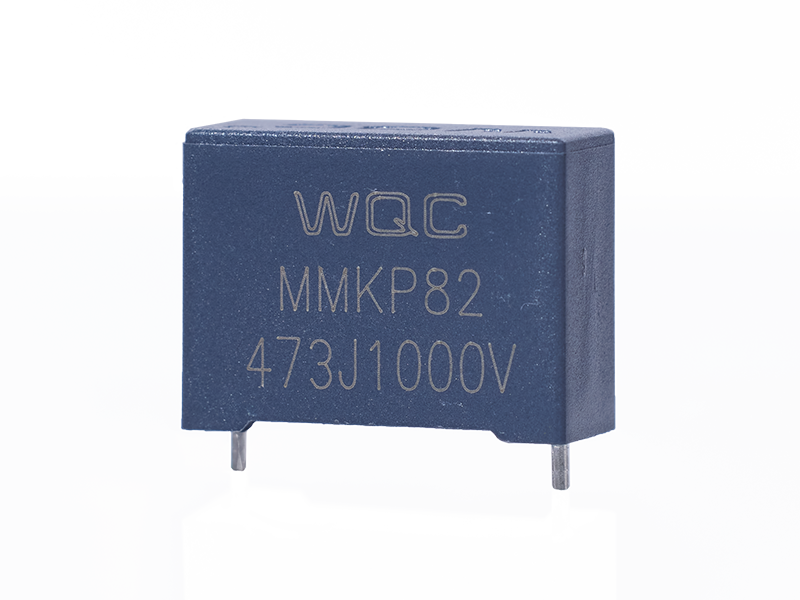
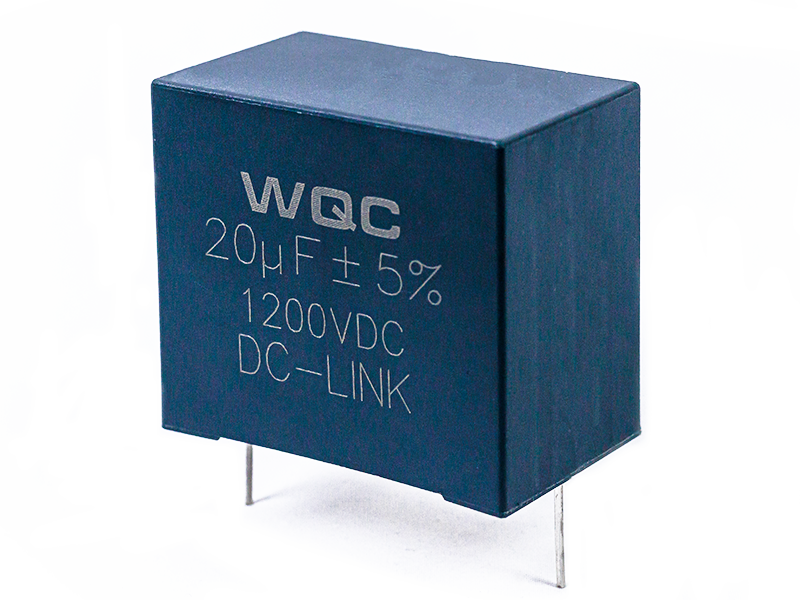
The Importance of Chip Safety Capacitors in High-Tech Electronics In today’s fast-paced, ever-evolving high-tech era, electronic devices are virtually ubiquitous. Whether it’s a smartphone, a computer, or various smart home gadgets, each one is underpinned by a complex network of circuits and components working silently behind the scenes. Yet among these critical components, chip safety capacitors often go unnoticed. Today, let’s talk about just how vital chip safety capacitors are in high-tech electronics. What exactly is a chip safety capacitor? As the name suggests, a chip safety capacitor is a type of capacitor that comes in a surface-mount package. They’re commonly used for key functions such as power management, filtering, and signal coupling. Compared to traditional capacitors, chip safety capacitors aren’t only smaller in size but also offer greater stability and reliability. Just imagine: If your smartphone’s battery lacked a reliable capacitor to ensure stable current flow during charging, what kind of scenario would that create? It’s downright chilling! So why are chip safety capacitors so crucial? First of all, chip safety capacitors play an indispensable role in protecting circuits. They can effectively suppress current fluctuations, thereby safeguarding other components from damage. Current fluctuations are like ocean waves—sometimes raging fiercely, other times calm and serene. Without chip safety capacitors,
How to Choose the Right Chip Safety Capacitors?
2025-09-08
How to Choose the Right Chip Safety Capacitors? In the design process of electronic products, selecting the right chip safety capacitors is crucial. Have you ever wondered why chip safety capacitors stand out among all types of capacitors? They’re not only key to ensuring circuit safety—they also directly impact the performance and reliability of your devices. Today, let’s talk about how to choose the right chip safety capacitors, so your circuit designs will be smoother and more efficient. What Exactly Is a Chip Safety Capacitor? First, let’s clarify what a chip safety capacitor is. Simply put, a chip safety capacitor is a type of capacitor specifically designed for power supply and signal coupling applications. These capacitors are typically surface-mounted on circuit boards, offering excellent electrical performance and high reliability. They’re commonly used in power filtering, signal isolation, and other applications, ensuring that your devices operate stably under various working conditions. Why Are Chip Safety Capacitors So Important? You might ask: Why is it so critical to choose the right chip safety capacitor? Imagine this—if you’re designing a new product but use the wrong capacitor, it’s like using the wrong piece when putting together a puzzle; the entire picture simply won’t come together. Choosing the wrong capacitor could lead to device failure or even pose safety risks. Factors to Consider When Selecting Chip Safety Capacitors So, how do you...
Understand the Key Characteristics and Applications of Chip Safety Capacitors
2025-08-27
Understanding the Key Features and Applications of Chip Safety Capacitors in Modern Electronic Devices: The chip safety capacitor is an indispensable component in today’s electronic equipment. You might be wondering, what exactly is a chip safety capacitor? Simply put, it’s a capacitor specifically designed for electrical safety, widely used in power adapters, household appliances, and other electronic devices. Today, we’ll take a closer look at the key features and applications of chip safety capacitors to help you better understand this crucial component. 1. Basic Characteristics of Chip Safety Capacitors Chip safety capacitors typically exhibit the following key characteristics: 1. Safety: As the name suggests, the primary feature of a safety capacitor is its safety. It effectively prevents abnormal current flow, thereby protecting both users and equipment from potential hazards. Imagine if these capacitors weren’t present—equipment malfunctions could lead to electric shocks for users or damage to the devices themselves. 2. High Voltage Resistance: Chip safety capacitors can withstand relatively high voltages, usually ranging from 250V to 300V. This means they can operate reliably in high-voltage environments without worrying about damage caused by excessive voltage. 3. Stability: Under various temperature and humidity conditions, chip safety capacitors demonstrate excellent stability. This is particularly important because many electronic devices are used in diverse environmental settings.
Dongguan Safety Capacitor: The Guardian of Circuit Safety
2025-07-28
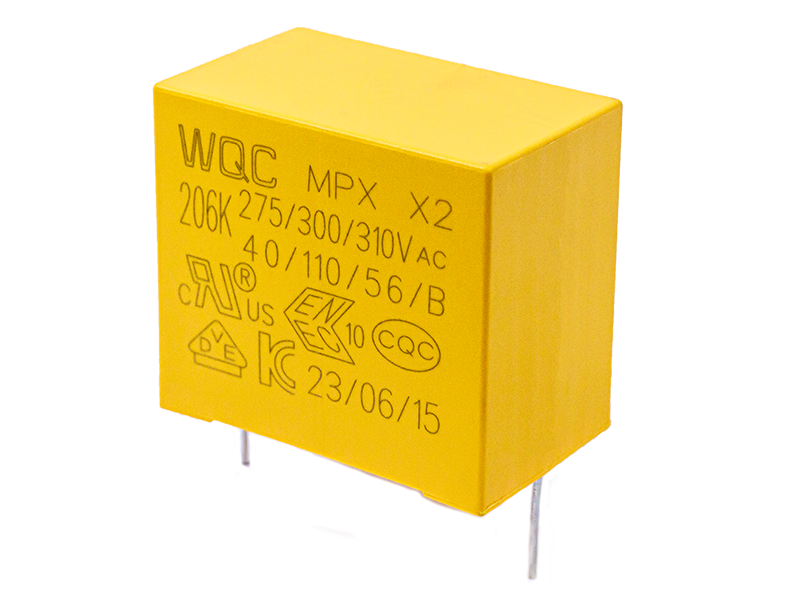
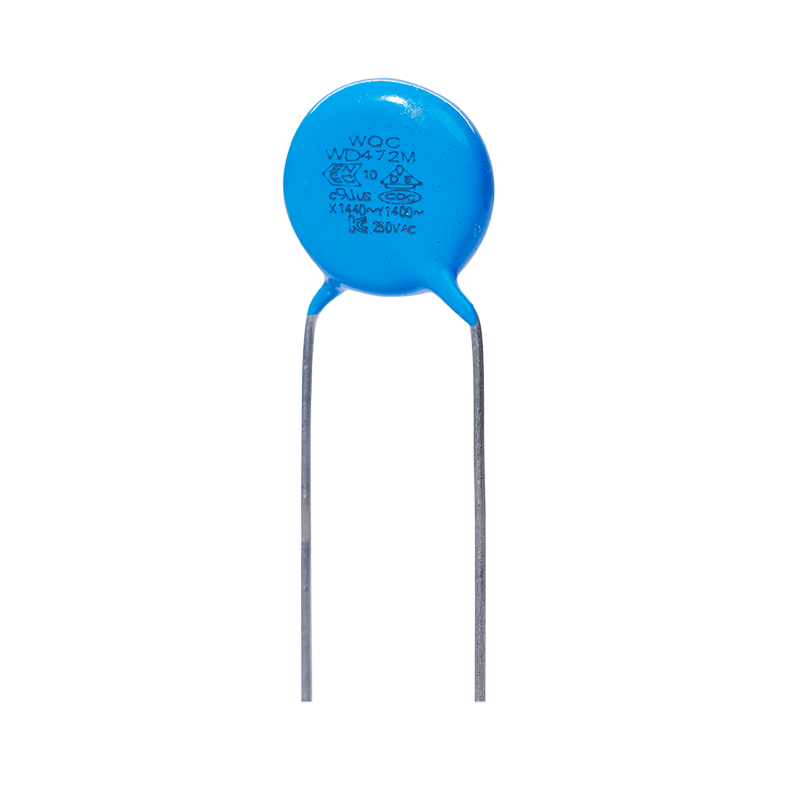
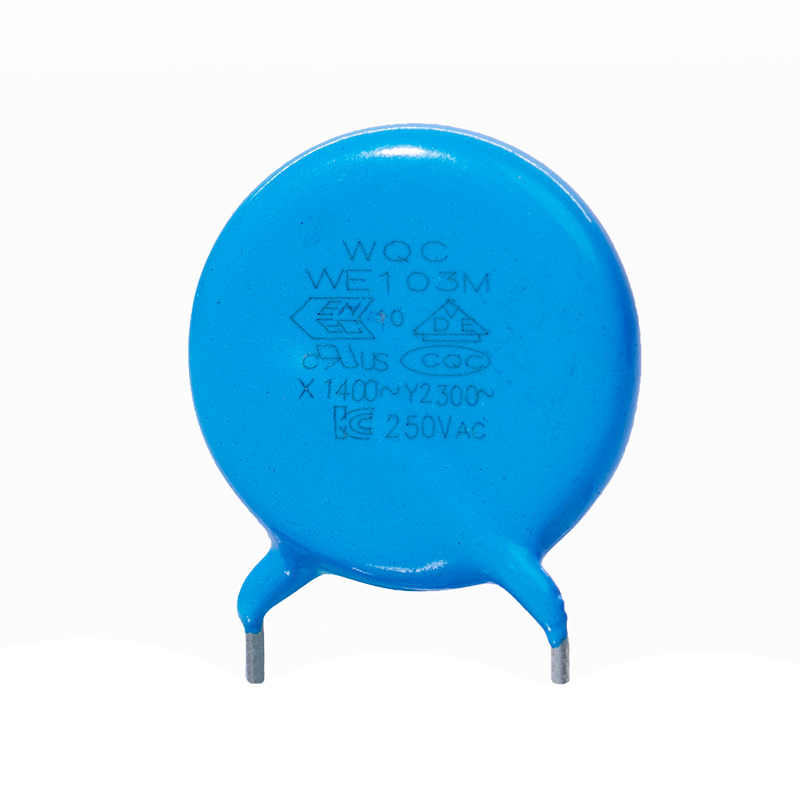
Dongguan safety-rated capacitors are a special type of capacitor that differs from ordinary capacitors in their high emphasis on safety. Safety-rated capacitors are primarily divided into two categories: X capacitors and Y capacitors. X capacitors are mainly used to suppress common-mode interference and are connected across the two lines of the power supply (L-N). In various electronic devices—such as power adapters and chargers—when current flows through the circuit, common-mode interference is inevitably generated. This interference can affect the normal operation of the device and even cause electromagnetic interference to other connected equipment. Thanks to their unique properties, X capacitors effectively suppress this common-mode interference, thereby ensuring electromagnetic compatibility within the circuit. Y capacitors, on the other hand, are primarily used to suppress differential-mode interference and are connected between the power line and the ground terminal (L-PE or N-PE). Differential-mode interference refers to interference signals that exist between the power line and the earth. Once such interference enters the circuit system, it may trigger serious safety issues, such as leakage currents or short circuits. Y capacitors act as a robust barrier, preventing differential-mode interference from entering the circuit. In certain devices with extremely high safety requirements—such as medical equipment and precision instruments—the presence of Y capacitors is absolutely essential. They ensure that these devices can continue to operate safely even in complex electromagnetic environments.
The high-frequency star in electronic circuits featuring high-frequency metal film capacitors.
2025-07-15
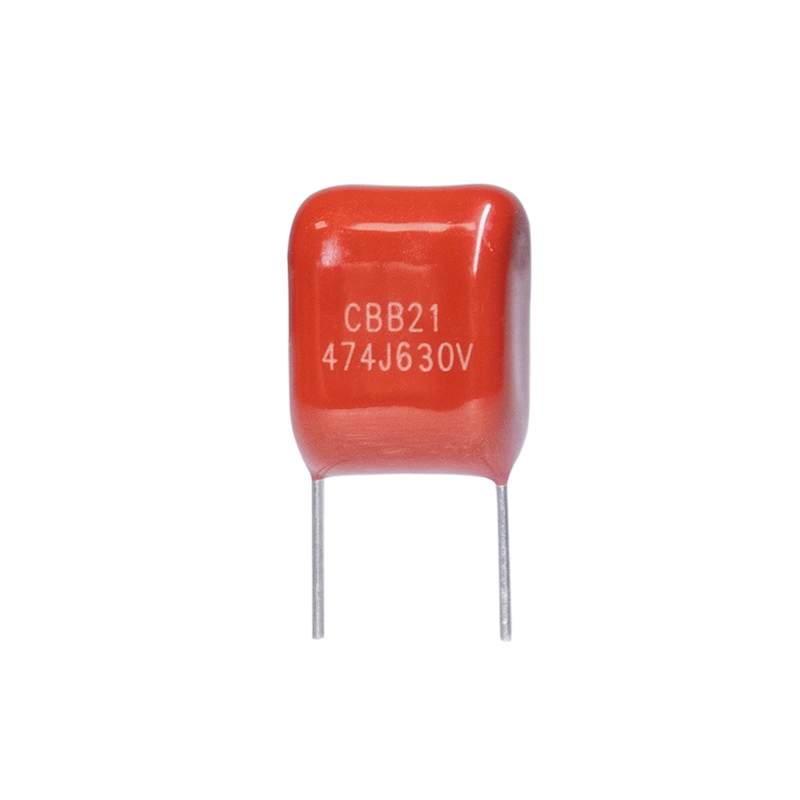
In this era of rapid advancement in modern electronic technology, high-frequency metal-film capacitors shine like a brilliant star, playing a crucial role in numerous electronic circuits. A high-frequency metal-film capacitor is a type of capacitor that uses metal films as electrodes and plastic films or other dielectric materials as the dielectric medium. Although its basic structure appears simple, it embodies an ingenious design philosophy. The metal-film electrodes typically have extremely thin thicknesses, enabling these capacitors to achieve large capacitance values within compact volumes. Moreover, the choice of dielectric material significantly impacts high-frequency performance; high-quality plastic film dielectrics boast characteristics such as low loss and high insulation, ensuring stable operation of the capacitor even under high-frequency conditions. From a performance standpoint, high-frequency metal-film capacitors exhibit many outstanding features. They demonstrate exceptional high-frequency performance. In modern communication devices—such as mobile phones and base stations—signal transmission and processing often occur in the high-frequency band. High-frequency metal-film capacitors can maintain excellent capacitance performance in these high-frequency environments, effectively coupling and filtering high-frequency signals. For instance, in the radio frequency circuits of mobile phones, they precisely filter out unwanted spurious signals, ensuring the purity of the RF signals and thereby enhancing communication quality. High-frequency metal-film capacitors also feature a low equivalent series resistance (ESR).
A key component in high-frequency metal film capacitor electronic circuits.
2025-06-30
In the booming wave of modern electronic technology, high-frequency metal-film capacitors play an indispensable role. From communication devices to computer motherboards, from audio circuits to aerospace and aviation electronic systems, these tiny capacitors perform critical functions in a wide range of applications. Although the structure of high-frequency metal-film capacitors appears simple, it embodies sophisticated design principles. The capacitor mainly consists of metal-film electrodes, a dielectric layer, and electrode leads. The metal-film electrodes are typically made of highly conductive metals such as aluminum or tantalum; these metal films exist in ultra-thin form, enabling them to respond rapidly to changes in electric charge under high-frequency conditions. The dielectric layer is the key component of the capacitor, determining its fundamental performance characteristics. Common dielectric materials include polymers such as polyester (PET) and polypropylene (PP), which boast excellent insulating properties and appropriate dielectric constants. In high-frequency applications, the low-loss characteristics of the dielectric layer are particularly important—reducing energy losses during the charging and discharging processes and ensuring efficient signal transmission. The performance features of high-frequency metal-film capacitors set them apart in numerous fields. First, their high-frequency capability: In high-frequency circuits, where signal frequencies are extremely high, conventional capacitors may suffer from parasitic parameters—such as equivalent series inductance (ESL) and equivalent series resistance (ESR)—which can significantly degrade their performance.