Supercapacitors are also known as electric double-layer capacitors.

2024-01-05

Supercapacitors, also known as electric double-layer capacitors or electrochemical capacitors, are a new type of electrochemical energy-storage device whose electrochemical performance lies between that of conventional capacitors and batteries. They mainly consist of four key components: electrodes, electrolyte, current collectors, and separators. Energy storage in supercapacitors primarily occurs through two mechanisms: the electric double-layer capacitance and the Faradaic pseudocapacitance arising from redox reactions. Generally speaking, the energy-storage process in supercapacitors is reversible, making them well-suited to address issues such as battery memory effects. Currently, supercapacitors find applications across a remarkably wide range of fields.

Learn more

Properties of Film Materials Used in Thin-Film Capacitors

2024-01-05

The electrical characteristics, temperature behavior, and frequency response of film capacitors largely depend on the type of material used to form the capacitor’s dielectric. The following table lists the most important properties of the primary plastic film materials currently in use. Properties of composite film materials are not included in this table. The data presented in this table are drawn from specifications published by various manufacturers of film capacitors for a wide range of industrial electronic applications. The wide range of dissipation factor values encompasses both typical and maximum specifications obtained from data sheets provided by different manufacturers. This table does not include typical electrical values for power supply capacitors or large AC capacitors.

Learn more

Film Capacitor Introduction

2024-01-05

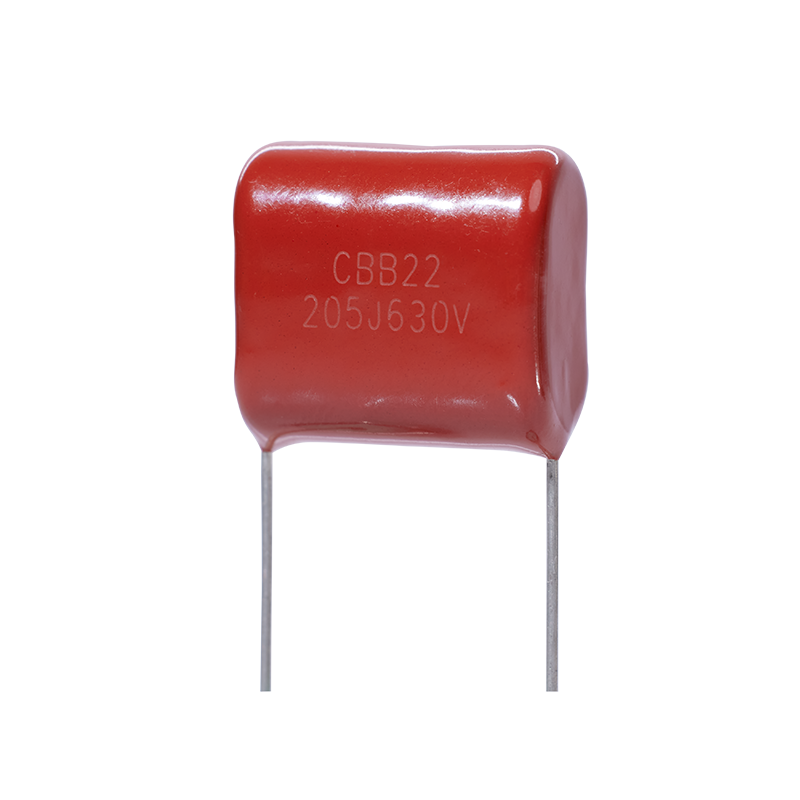
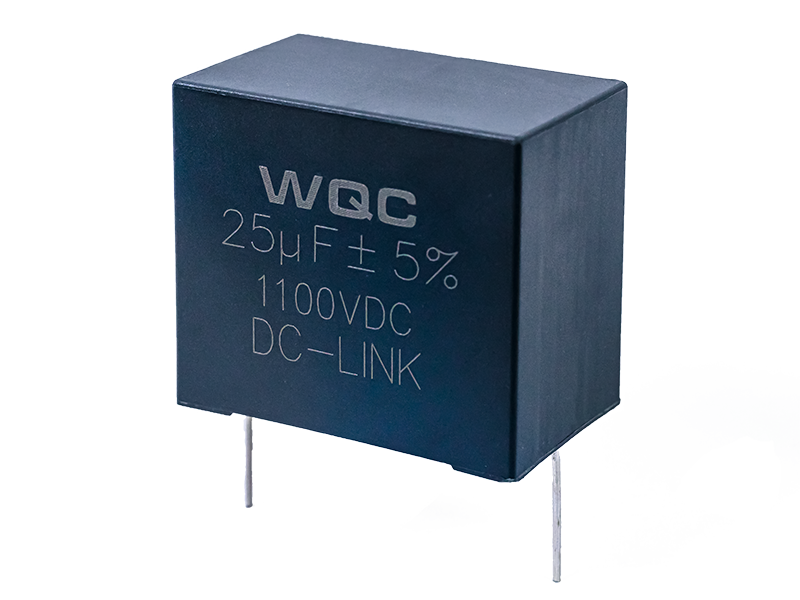
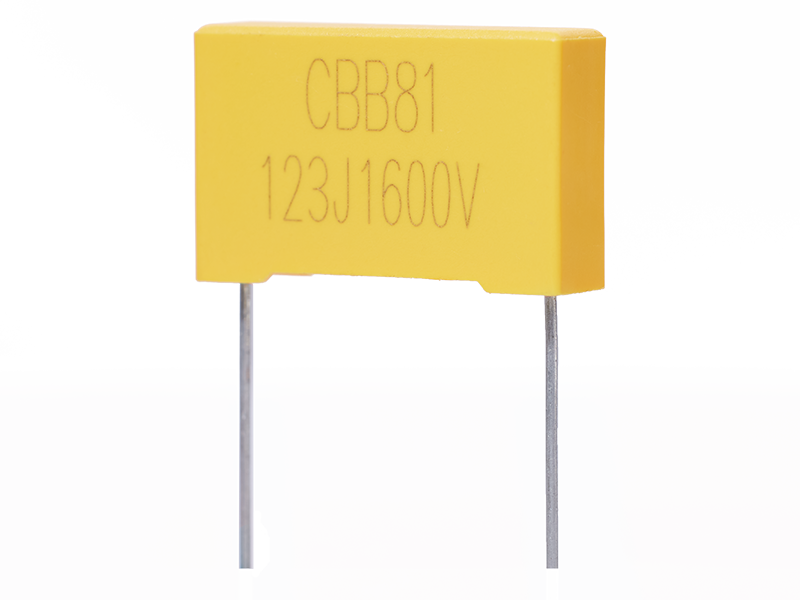
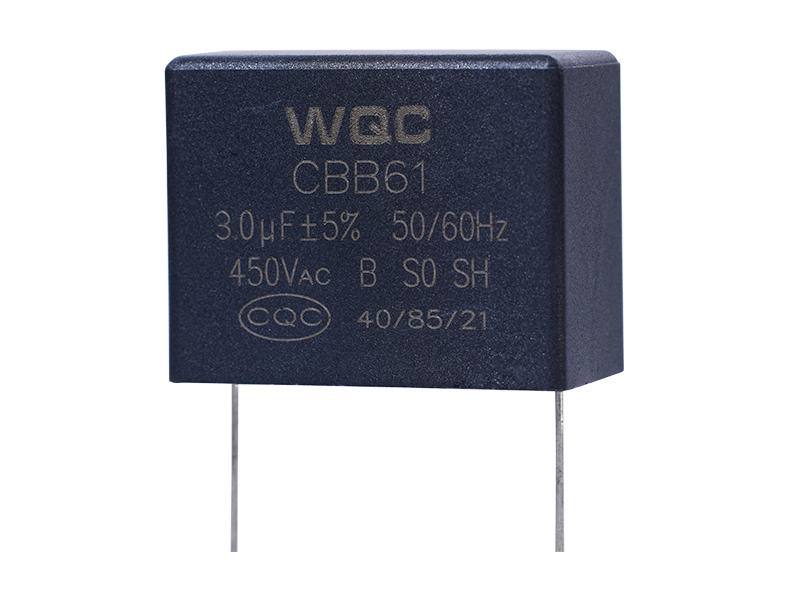
Film capacitors, plastic film capacitors, film dielectric capacitors or polymer film capacitors, collectively referred to as film capacitors and power film capacitors, is a kind of insulating plastic film as the dielectric, sometimes with paper as the electrode carrier of the capacitor. According to the required dielectric strength, the dielectric film is drawn to an extremely thin thickness by a special process, and then equipped with electrodes. The electrodes of the film capacitor can be metallized aluminum or zinc, applied directly to the surface of the plastic film, or a separate metal foil. Two of these conductive layers are wound into cylindrical windings

Learn more

Types of Film Capacitors

2024-01-05

The terminals are all located on one side of the capacitor body. To facilitate automatic insertion, radial plastic film capacitors are typically constructed with a standard distance of terminal spacing, starting with a 2.5mm pitch and increasing in 2.5mm steps. The radial capacitor may be encapsulated in a plastic housing or dipped in epoxy to protect the capacitor body from the environment. Although the transient heat of reflow soldering will cause high stress in the plastic film material,

Learn more

Overview of the structure and characteristics of film capacitors

2024-01-05

The film capacitor is made of two plastic films covered with metal electrodes, wound into a cylindrical winding, connected to the terminals, and then packaged. In general, the film capacitor is not polarized, so the two terminals are interchangeable. There are two different types of plastic film capacitors, made from two different electrode configurations:

Learn more

Standardization of film capacitors

2024-01-05

All standardization of electrical and electronic components and related technologies follows the rules set by the International Electrotechnical Commission (IEC), a non-profit, non-governmental international standards organization. The IEC standard is harmonized with the European standard EN. Procedures for the definition of characteristics and test methods for capacitors for use in electronic equipment are specified in the General Specification:

Learn more

< 1...21222324 > 跳转到