
-
-

Capacity and voltage range from low to high, widely distributed. Can be applied to lighting and consumer electronics.
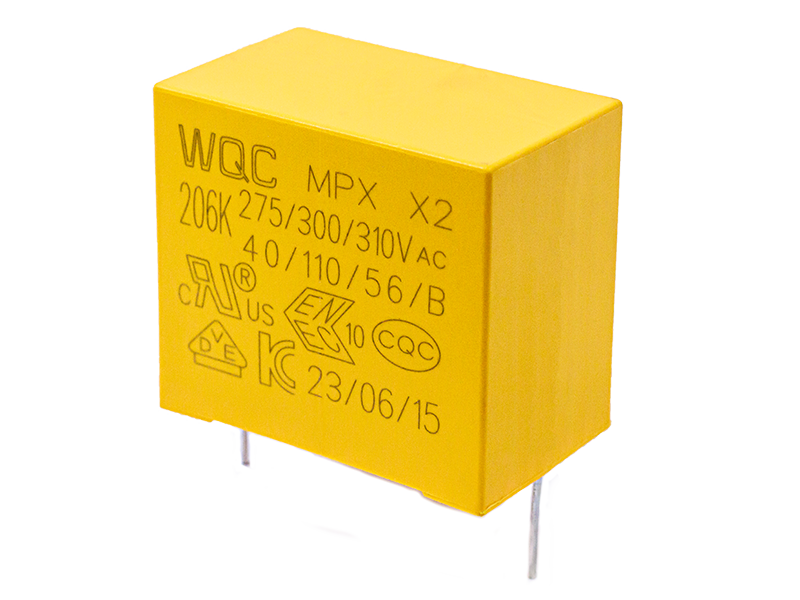
Capacity and voltage range from low to high, widely distributed. Can be applied to lighting and consumer electronics.
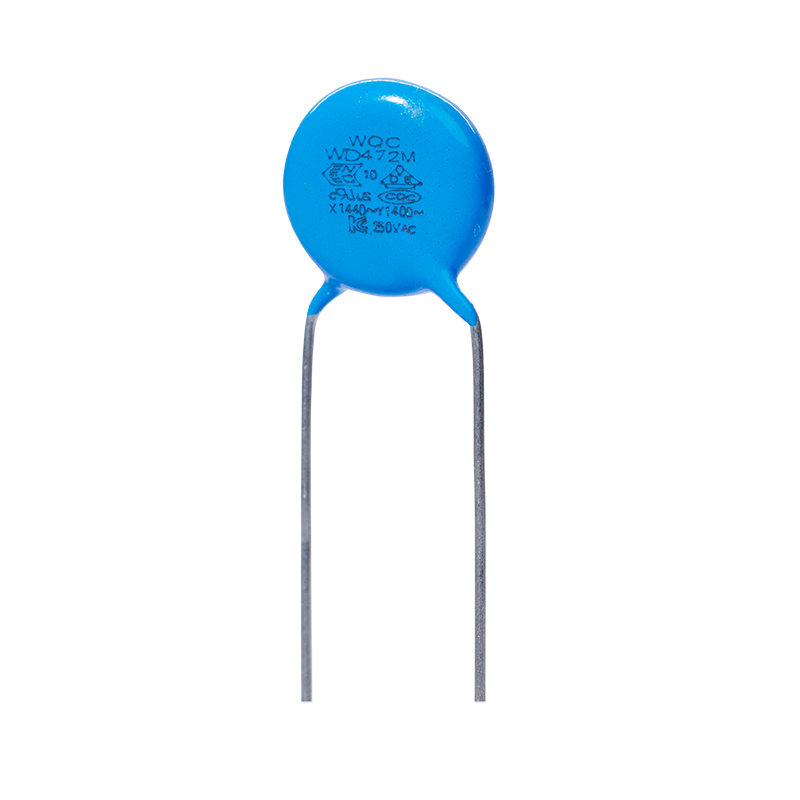
Capacity and voltage range from low to high, widely distributed. Can be applied to lighting and consumer electronics.
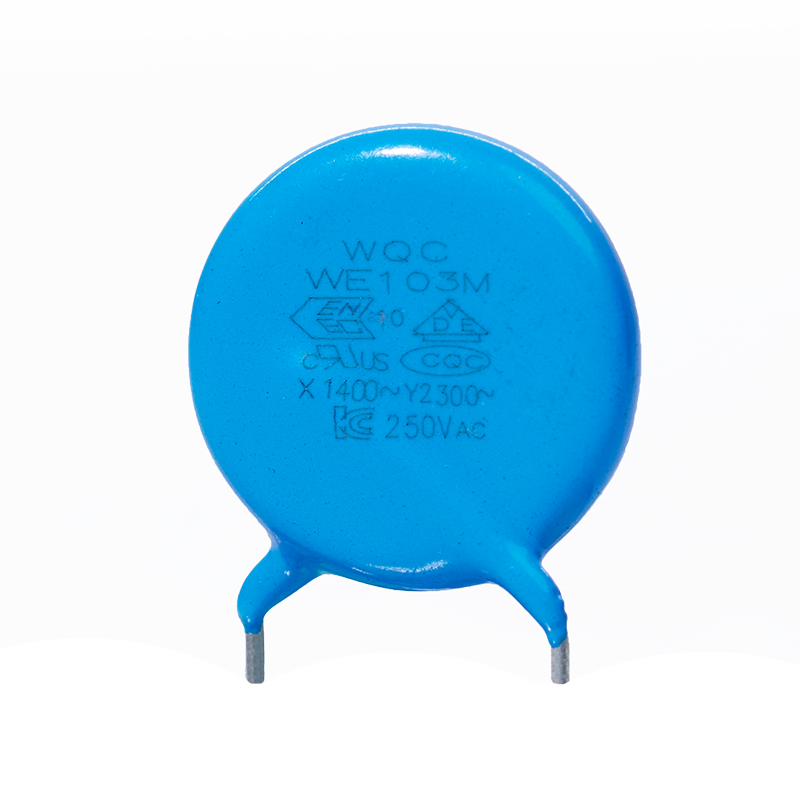
Capacity and voltage range from low to high, widely distributed. Can be applied to lighting and consumer electronics.
-
-
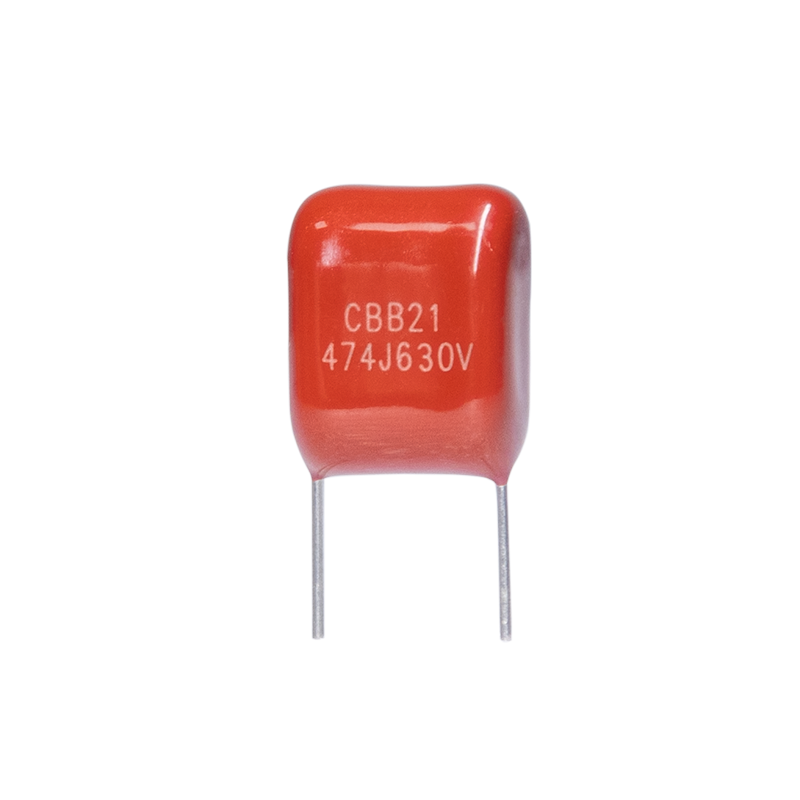
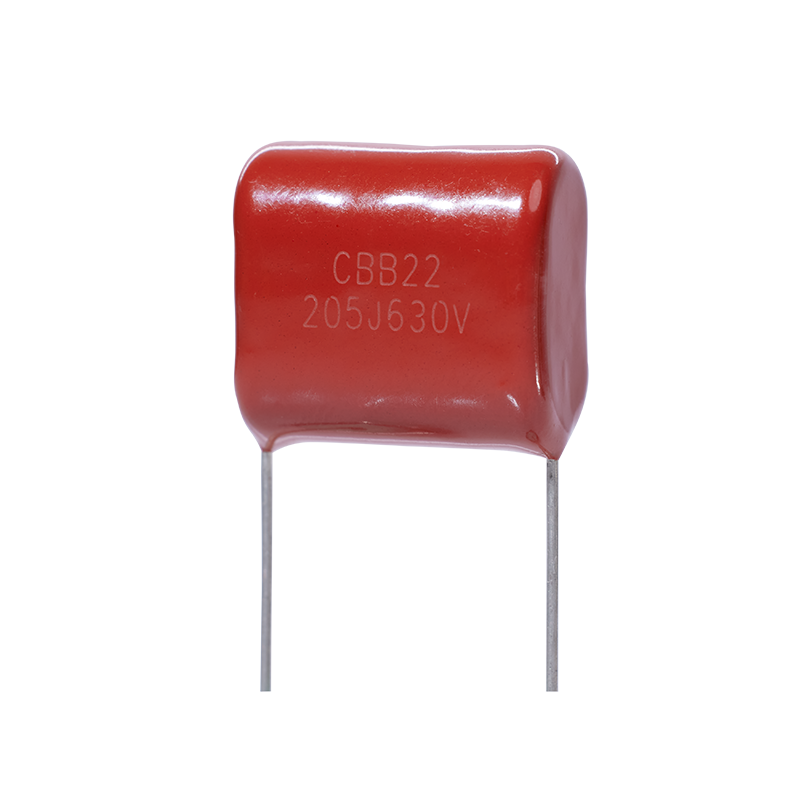
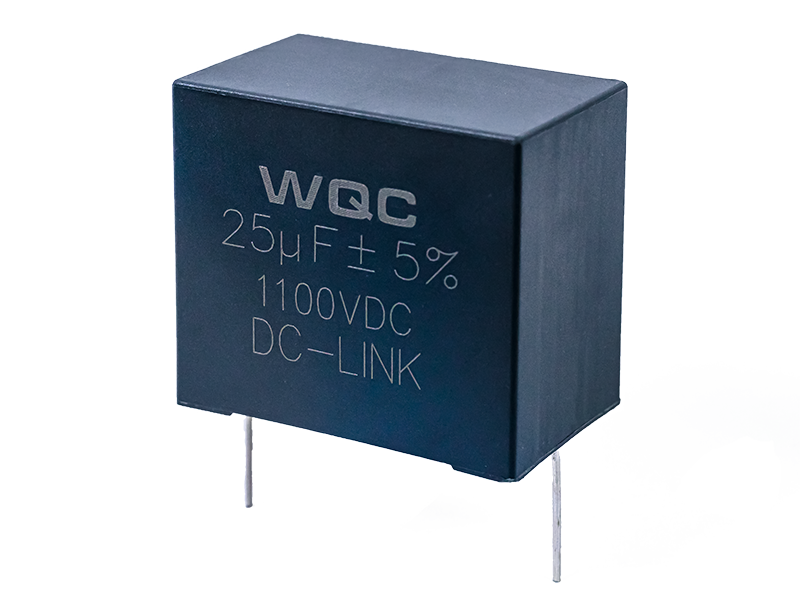
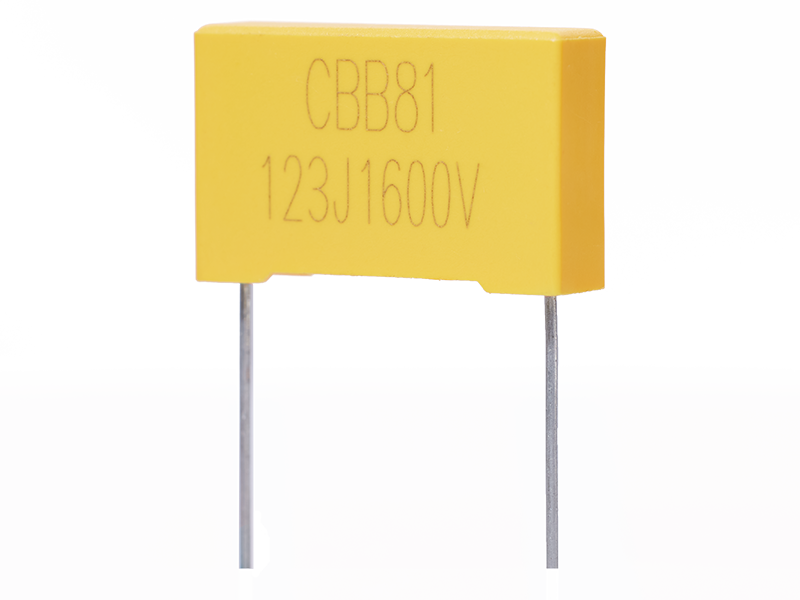
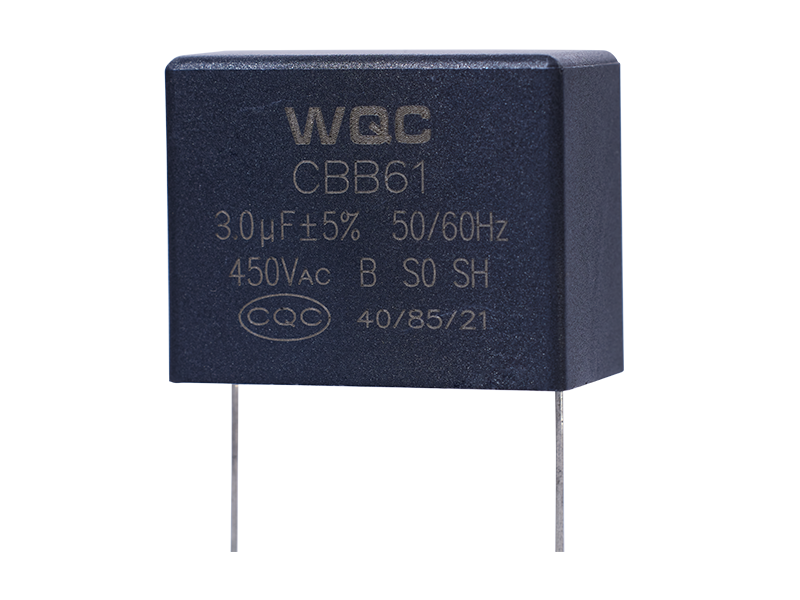
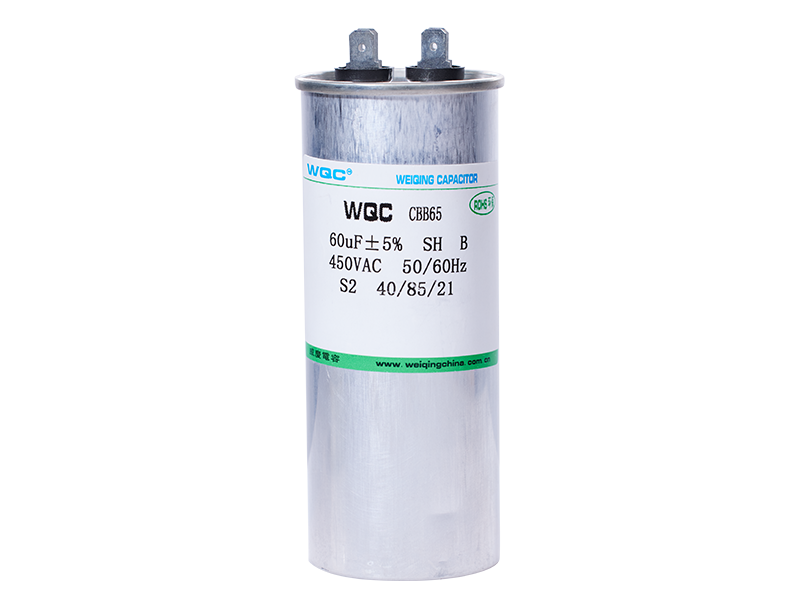
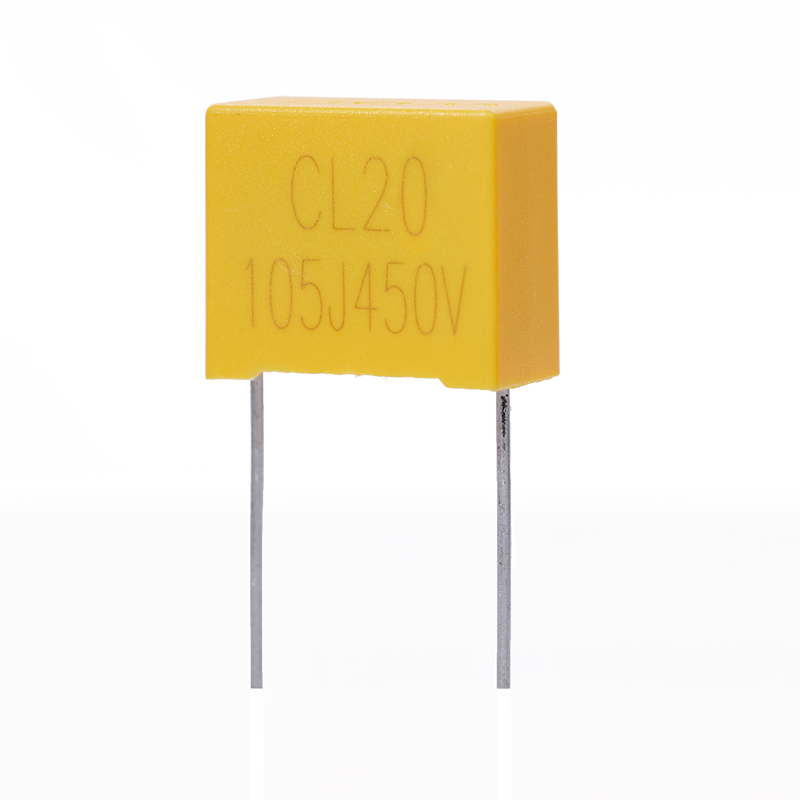
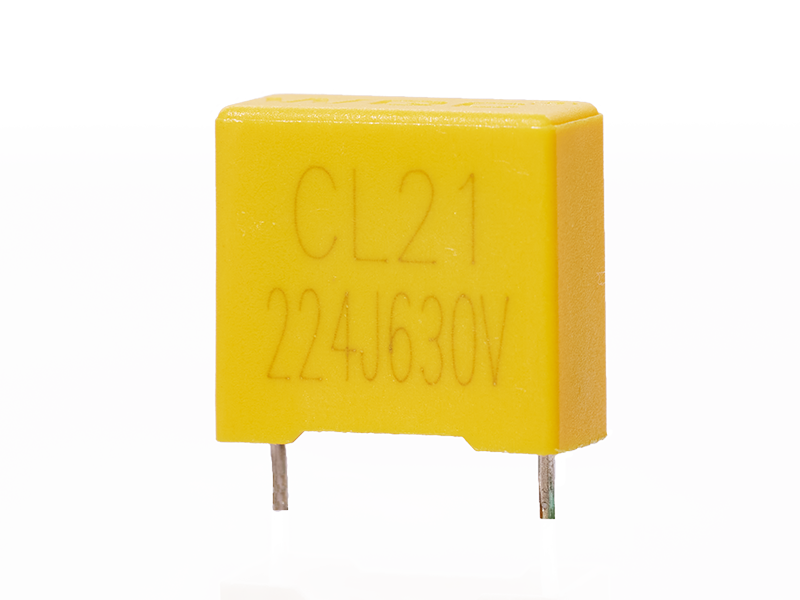
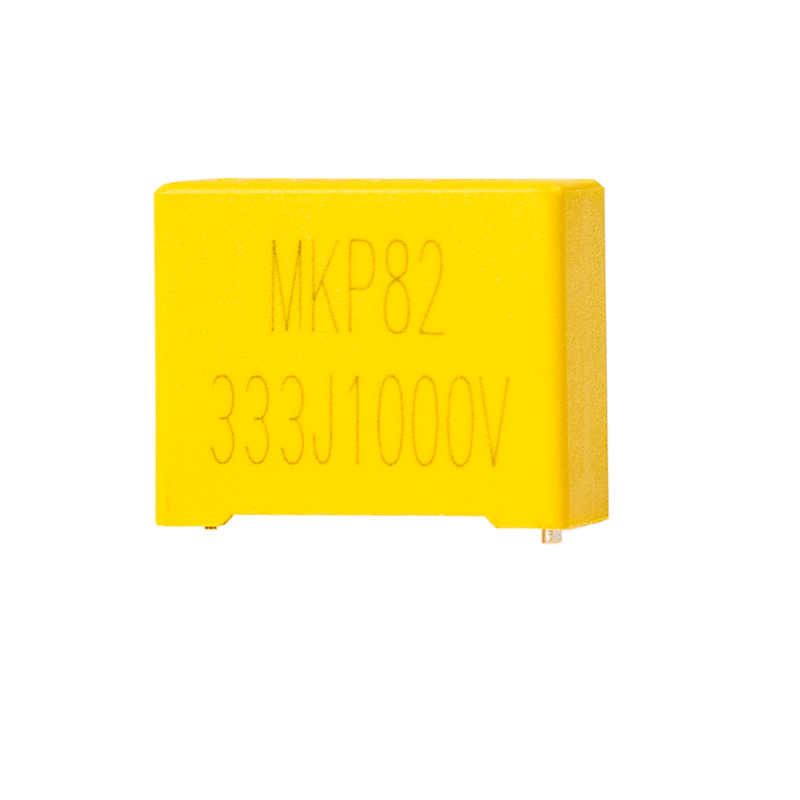
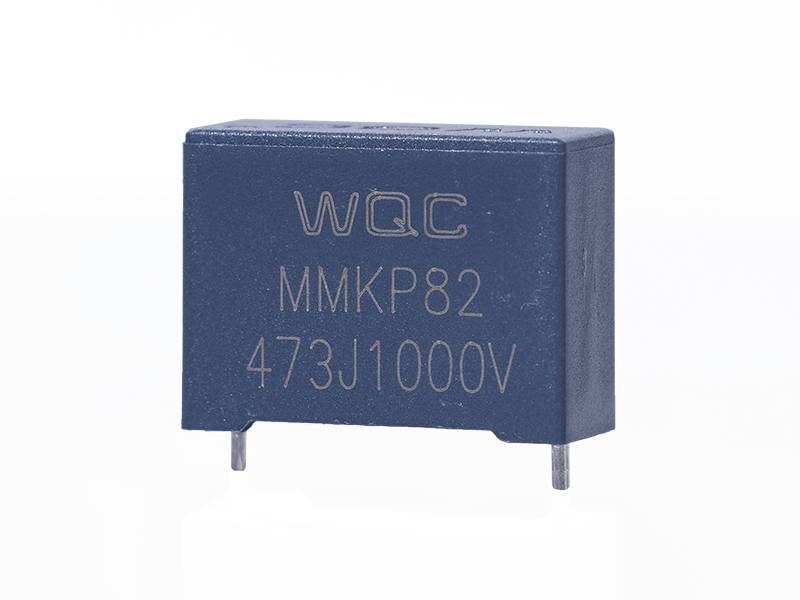
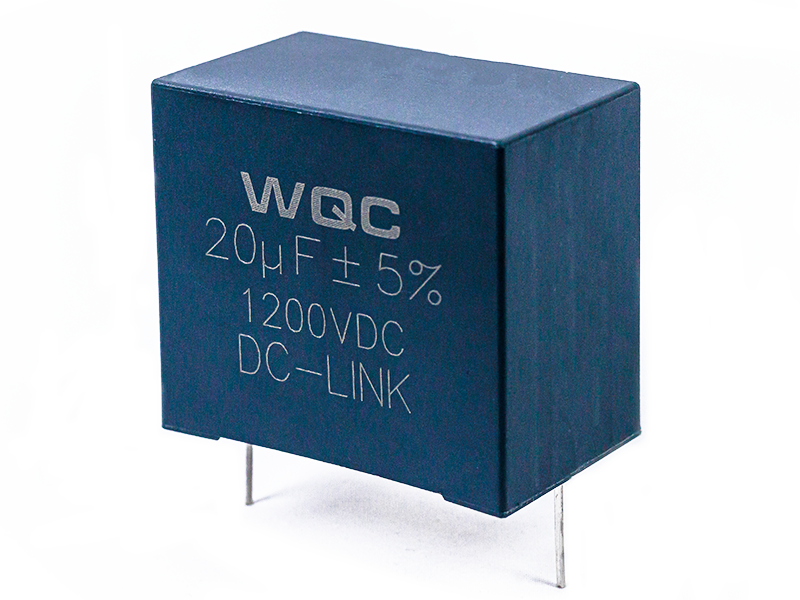

The difference between high-frequency metal film capacitors and conventional capacitors
Release time:
2026-01-18 09:30
Source:
The difference between high-frequency metal film capacitors and conventional capacitors
In the world of electronic products, capacitors play an extremely important role. Although we may rarely pay attention to these tiny components in our daily lives, different types of capacitors excel in various application scenarios. Today, let’s talk about the differences between “high-frequency metal film capacitors” and conventional capacitors.
Definition of high-frequency metal film capacitors
First, we need to clarify what a high-frequency metal-film capacitor is. Simply put, it’s a type of capacitor used for high-frequency signal processing, with a metal film serving as its dielectric material. The manufacturing process of this capacitor is relatively complex; however, precisely because of this complexity, its performance is exceptionally advanced. By contrast, conventional capacitors typically use electrolytes or ceramics as their dielectrics. While these can still perform basic capacitance functions, they fall short when it comes to high-frequency applications.
Frequency Response: The Advantages of High-Frequency Metal Film Capacitors
So, why do high-frequency metal-film capacitors perform so exceptionally well in high-frequency applications? The answer lies in their frequency-response characteristics. Simply put, when high-frequency signals pass through different types of capacitors, they are affected by impedance. High-frequency metal-film capacitors have relatively low impedance, enabling them to transmit high-frequency signals more effectively. It’s just like listening to music: a low-quality speaker often distorts the high-frequency components, whereas a high-quality speaker can faithfully reproduce every subtle detail.
Temperature and Stability
Next, let’s talk about temperature and stability. High-frequency metal-film capacitors exhibit relatively small performance variations across different temperatures, meaning they can maintain a stable operating state under a wide range of environmental conditions. In contrast, conventional capacitors may experience significant fluctuations in performance when the temperature changes—especially in high-temperature environments, where they could even fail altogether. It’s just like wearing the right clothes for different climates: when you dress appropriately, you feel comfortable; but if you get the wrong outfit, you might end up feeling downright uncomfortable.
Different application areas
Of course, whether to choose high-frequency metal-film capacitors or traditional capacitors often depends on the specific application scenario. In fields such as high-frequency communication, radio-frequency identification (RFID), and high-frequency switching power supplies, high-frequency metal-film capacitors are more commonly used. On the other hand, in some ordinary circuits—such as those found in household appliances—traditional capacitors are perfectly adequate to meet the requirements. It’s just like choosing the right gear in sports: selecting the appropriate equipment can help you stand out in a competition, whereas ordinary gear might simply fail to keep up with the intense rivalry.
Lifespan and Reliability
Next, let’s talk about lifespan and reliability. High-frequency metal-film capacitors typically have a longer service life because their design and materials are superior to those of conventional capacitors. These capacitors generally can withstand higher voltages and temperatures, thereby reducing the risk of damage. Think of it this way: imagine a pair of super-durable athletic shoes that remain comfortable even in the harshest environments, whereas ordinary shoes might wear out severely in just a short period of time.
Summary
In summary, high-frequency metal-film capacitors differ significantly from conventional capacitors in several aspects. Whether it’s frequency response, temperature stability, application fields, or lifespan and reliability, high-frequency metal-film capacitors consistently demonstrate unique advantages. Although their manufacturing process is relatively complex and the cost is comparatively higher, the performance they deliver in high-frequency applications makes them well worth the investment.
If you’re a professional or enthusiast in the electronics field, understanding these differences will help you make more informed decisions when designing and selecting capacitors. At the same time, we should also recognize that different types of capacitors each have their own advantages and are suited to different applications and needs.
Related News
2026 Complete Guide: What Is a Thin Film Capacitor, Uses & Selection Tips
This 2026 updated guide from Weiqing Electronics breaks down all essential information about thin film capacitors, from basic definitions to practical selection strategies. Drawing on our years of manufacturing and testing experience, we share real test data, industry insights, and objective comparisons to help you pick the right component for your electronic design.
2026 Complete Guide to Thin Film Capacitor: Selection, Types & Applications
This 2026 professional guide breaks down all key information about thin film capacitors, from basic working principles to practical selection tips. Drawing on over 30 years of manufacturing experience at Weiqing Electronics, it helps designers and procurement teams pick the right component, answering common questions and comparing performance across types.
Thin Film Capacitor: Types, Applications, Benefits & Selection Guide 2026
This complete 2026 guide covers all key aspects of thin film capacitors, including basic definitions, core types, performance advantages, common applications, and expert selection tips. Backed by Weiqing Electronics’ 20+ years of manufacturing experience and third-party industry data, this guide helps engineers and procurement professionals make informed decisions for consumer automotive, industrial, and aerospace electronic projects.
Resonant Capacitor 2026 Guide: Types, Selection & Applications for Engineers
This guide covers all core knowledge of resonant capacitors for 2026, from basic definitions and working principles to selection criteria and common application scenarios. We combine Weiqing Electronics’ decades of manufacturing and testing experience to deliver objective, professional insights, helping engineers and procurement professionals avoid common selection mistakes and improve circuit performance.
Resonant Capacitor: Complete 2026 Guide for Selection and Applications
This 2026 expert guide from Weiqing Electronics breaks down all key information about resonant capacitors, from core definitions and working principles to practical selection tips and troubleshooting. It includes in-house test data and real-world experience to help you pick the right component for your project.
Complete 2026 Guide: How to Choose a Reliable Capacitor Manufacturing Plant
This guide covers all critical aspects of sourcing from a professional capacitor manufacturing plant, from quality control protocols to production capacity and custom design support. We draw on 20+ years of hands-on production experience, 2026 industry data, and answer common questions to help you avoid sourcing risks. Whether you need prototypes or bulk production, this guide helps you make an informed decision.
Service Hotline:
Contact
Phone: +86 13826981362
Tel:+86 076988956188
E-mail: wqc001@weiqingchina.com.cn
Address: Weiqing Electronics Co., Ltd., Floor 1, Building 12, No.7, Science and Technology 10th Road, Songshan Lake High-tech Development Zone, Songshan Lake Administrative Committee, Dongguan City, Guangdong Province
Mobile Website

Scan Consultation