
-
-

Capacity and voltage range from low to high, widely distributed. Can be applied to lighting and consumer electronics.
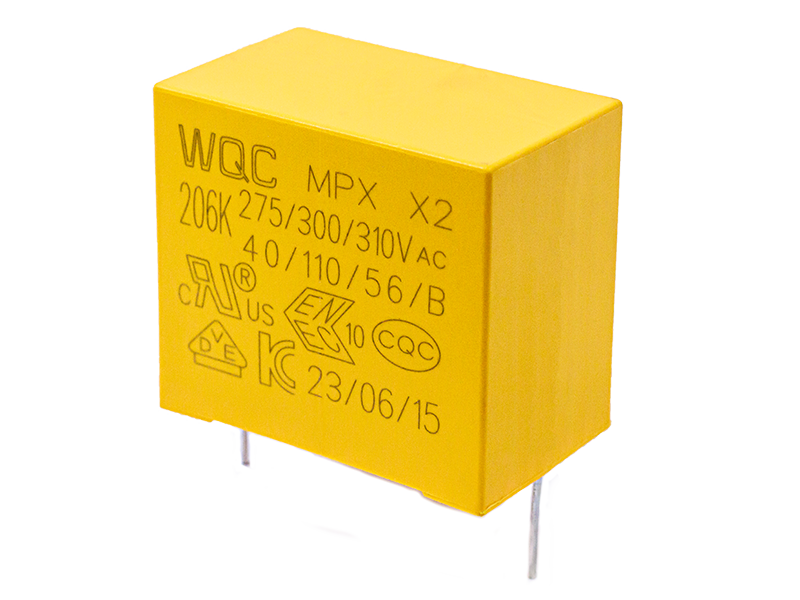
Capacity and voltage range from low to high, widely distributed. Can be applied to lighting and consumer electronics.
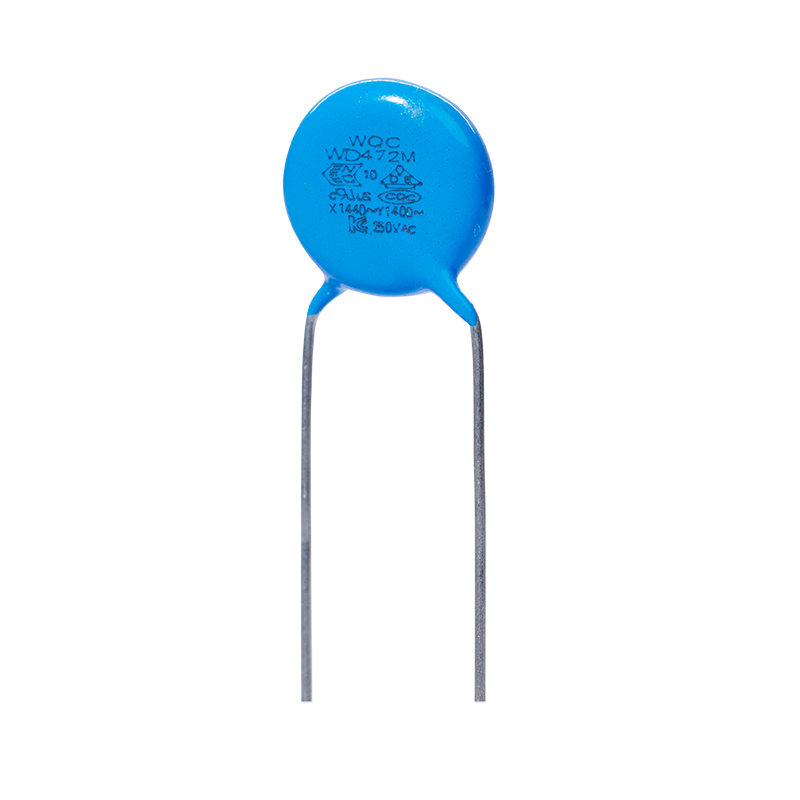
Capacity and voltage range from low to high, widely distributed. Can be applied to lighting and consumer electronics.
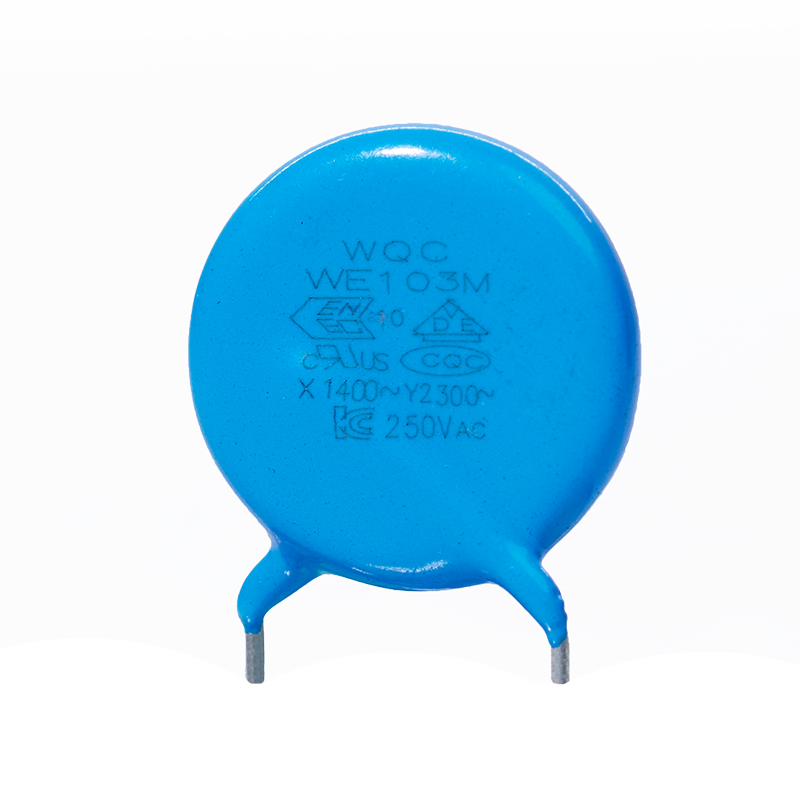
Capacity and voltage range from low to high, widely distributed. Can be applied to lighting and consumer electronics.
-
-
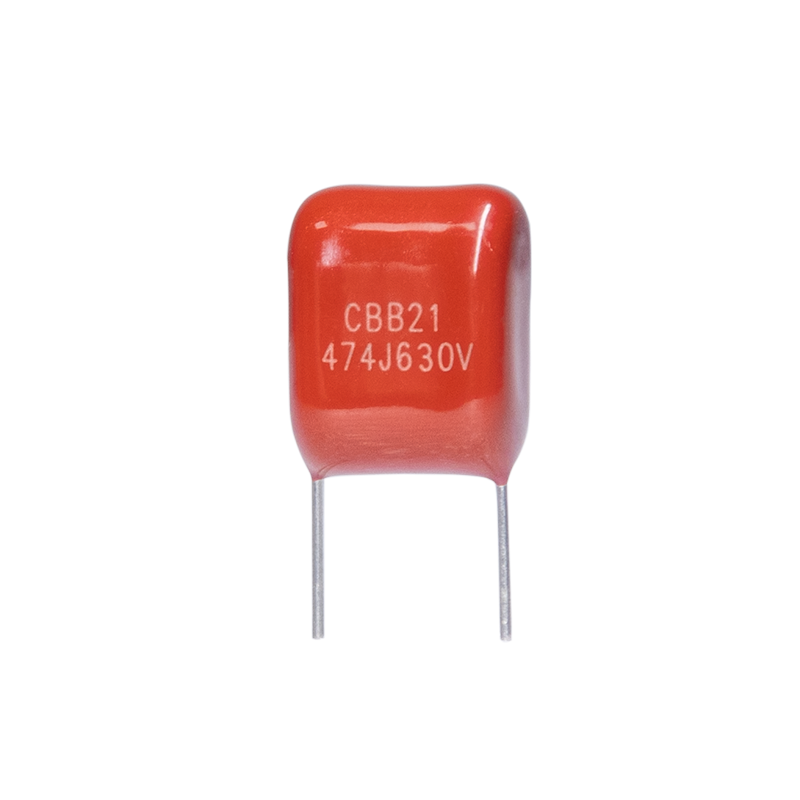
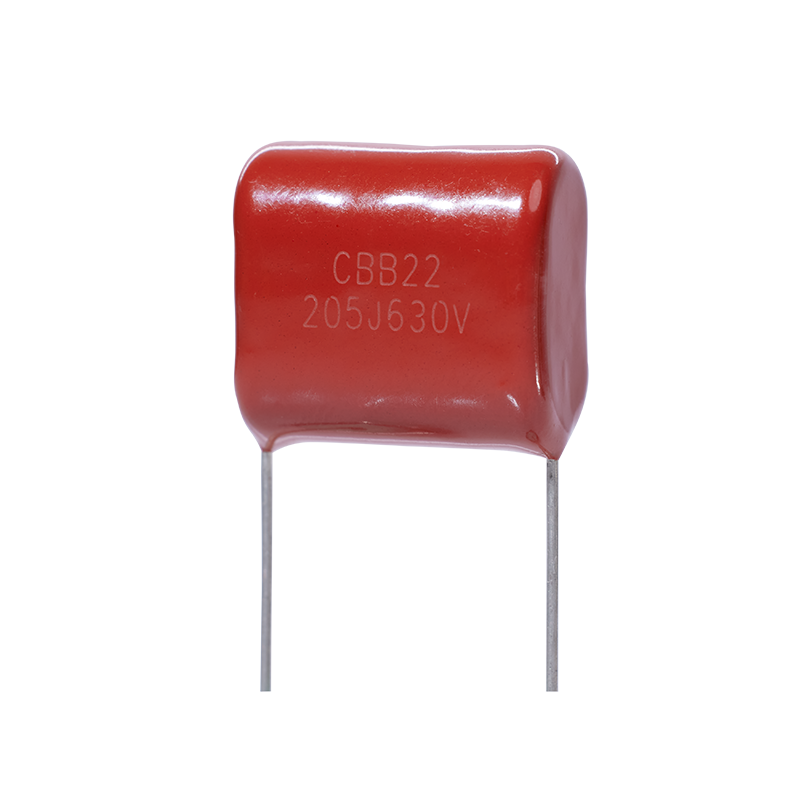
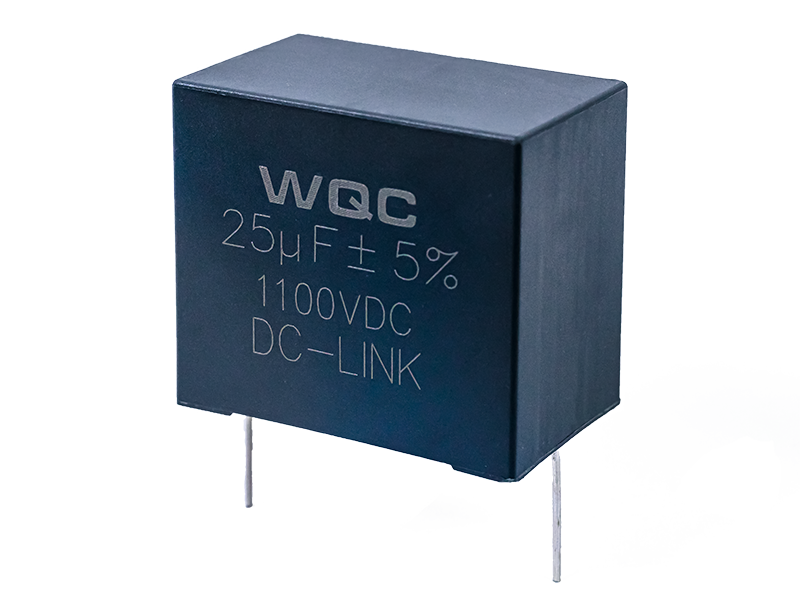
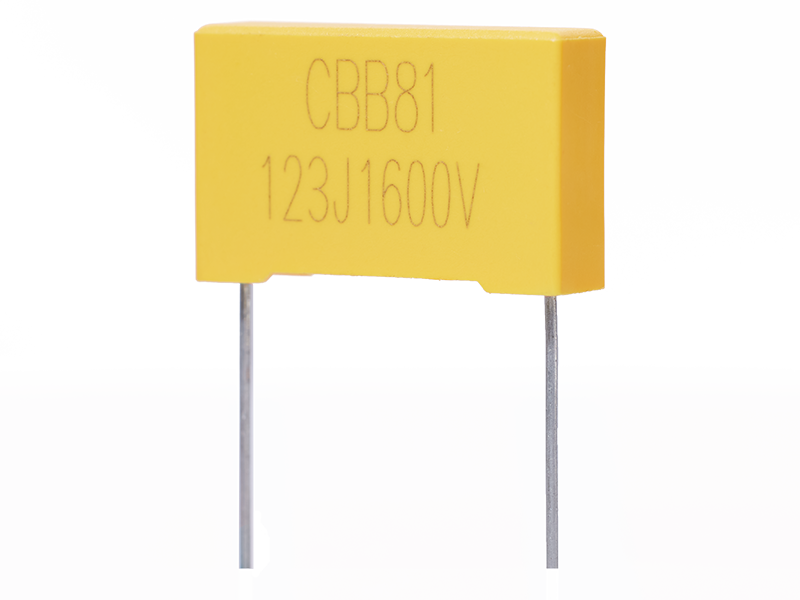
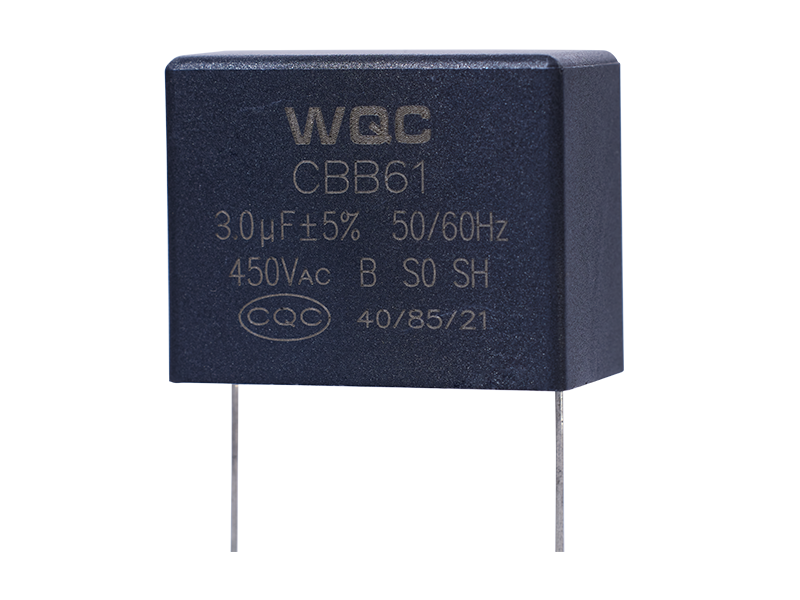
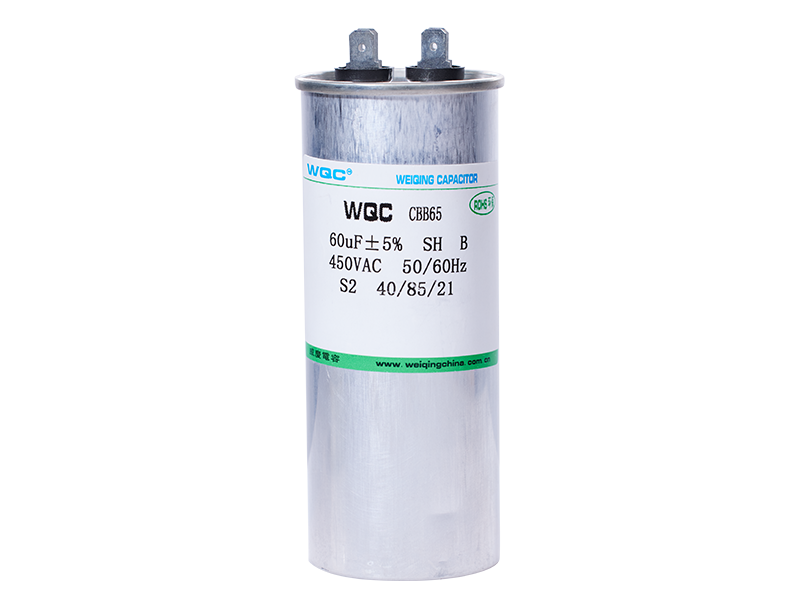
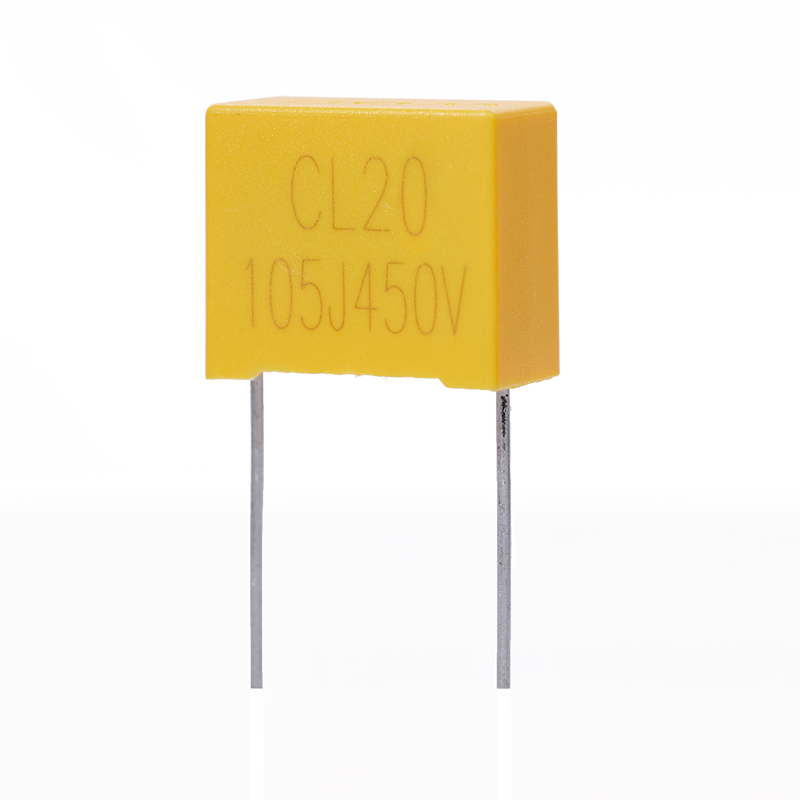
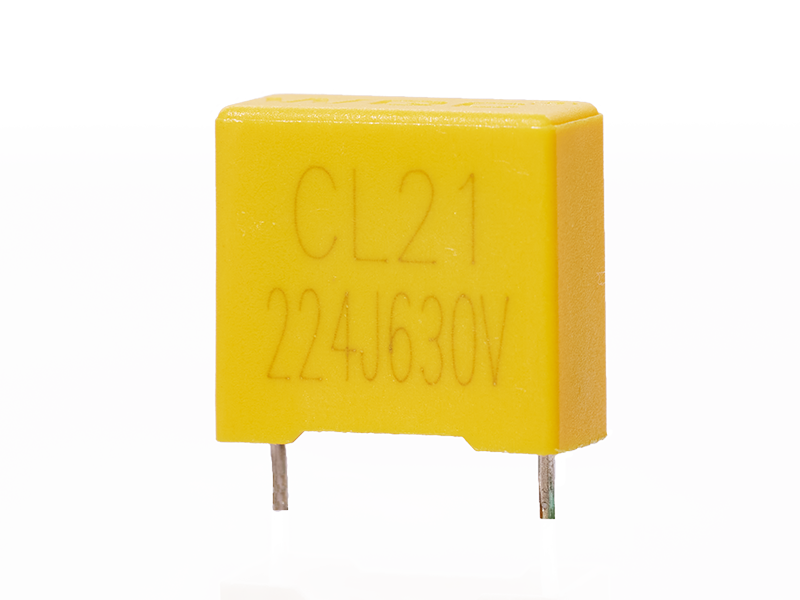
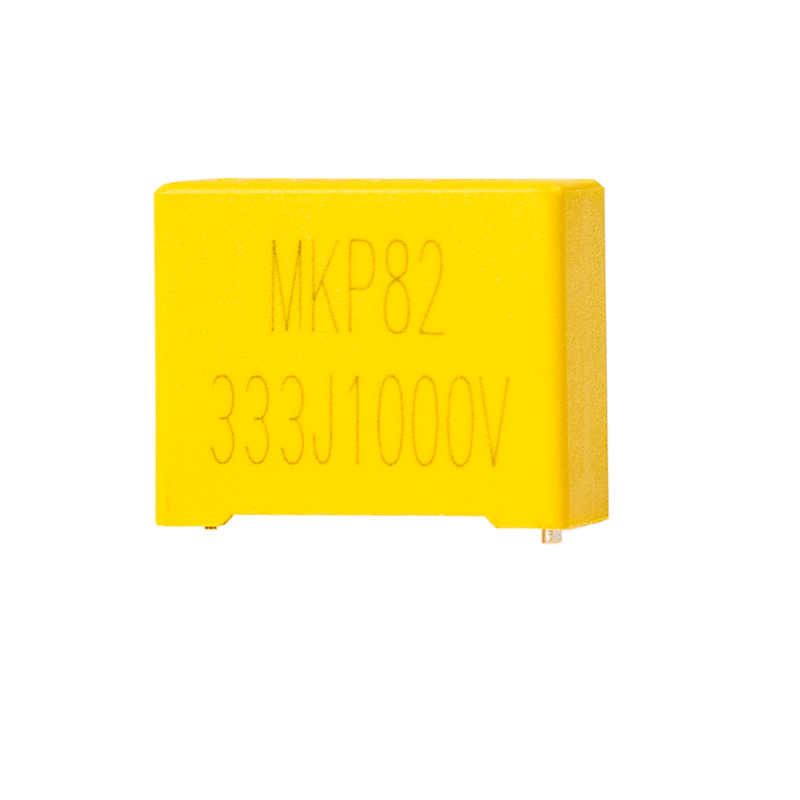
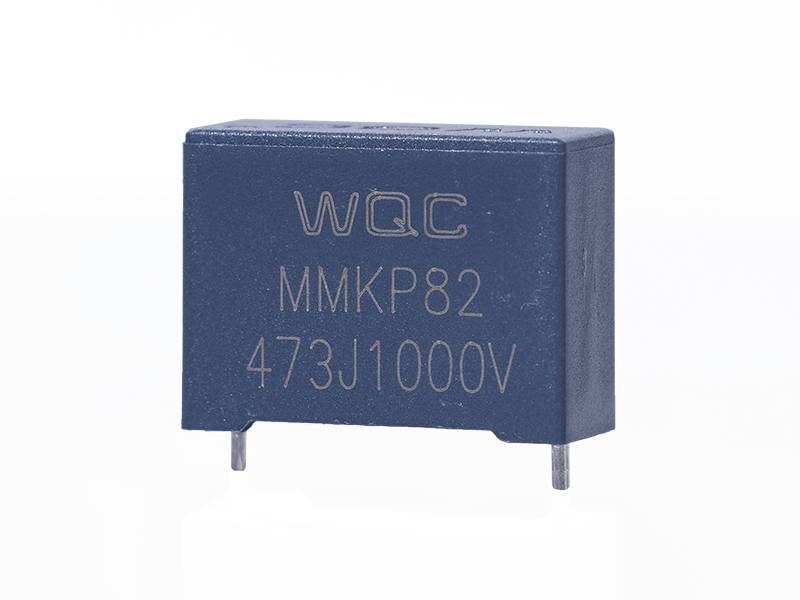
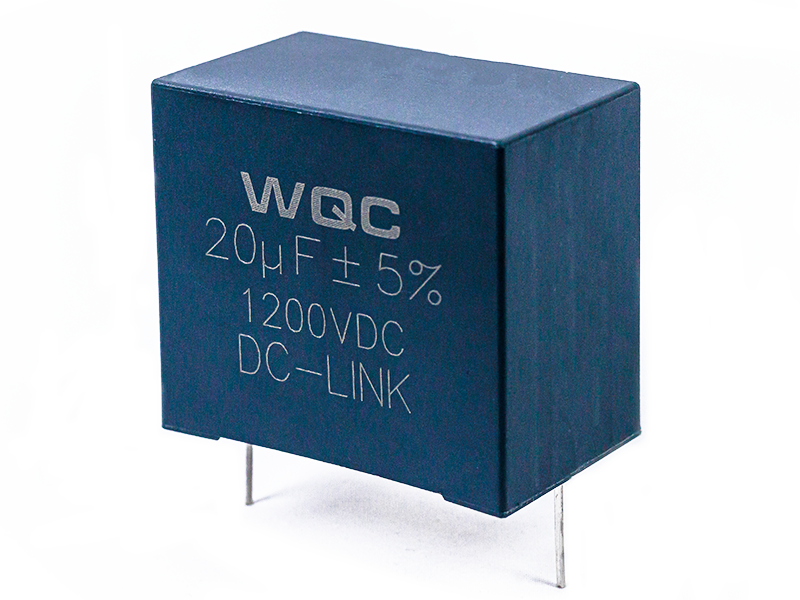
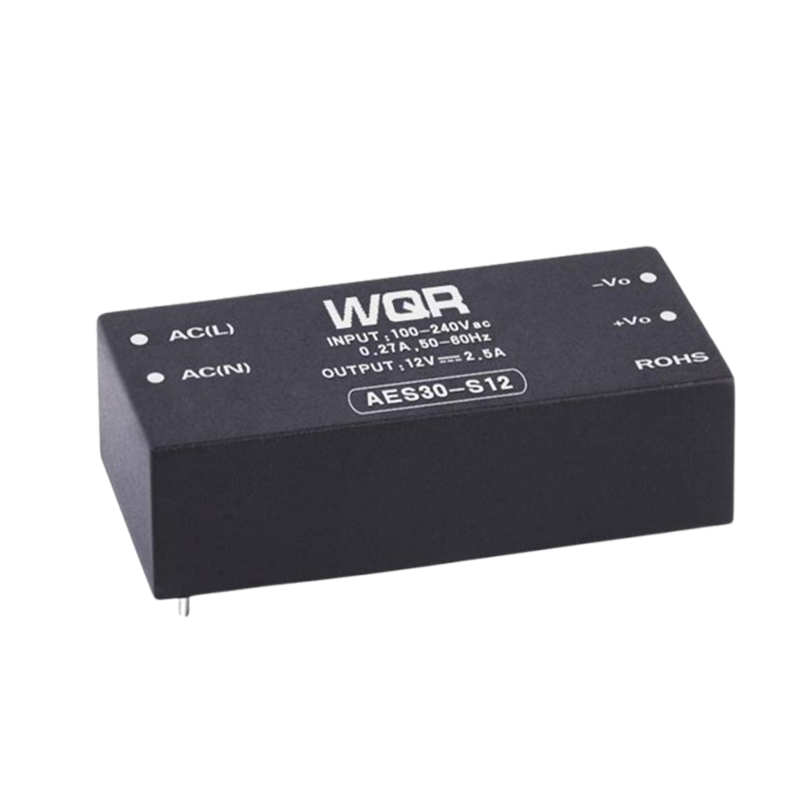

Patch-type safety capacitors—a rising star in electronic components, offering miniaturization and high reliability.
Release time:
2025-02-28 13:26
Source:
In the rapidly evolving electronics industry, surface-mount safety capacitors—with their compact size and high reliability—have gradually become indispensable key components in a wide range of electronic devices. As technology continues to advance and consumers’ demands for electronic device performance keep rising, surface-mount safety capacitors are finding increasingly broad applications in areas such as digital products, automotive electronics, communication equipment, and power supplies.
Patch-type safety capacitors, as the name suggests, are safety capacitors manufactured using surface-mount technology. These capacitors feature compact size and thin-profile design, making them ideal for electronic devices with high-density mounting requirements. Compared to conventional capacitors, patch-type safety capacitors have undergone comprehensive upgrades in both manufacturing processes and materials. They are produced using thin-film technology, resulting in a compact structure with excellent stability, higher capacitance accuracy, and lower dielectric losses. Moreover, their housings are made from flame-retardant engineering plastics, effectively preventing hazardous situations such as capacitor explosions and thereby ensuring the safe operation of electronic devices.
In terms of function, chip safety capacitors are primarily used for filtering in anti-interference circuits. At the input end of AC power supplies, it is common practice to add safety capacitors to suppress EMI conducted interference. These capacitors filter both common-mode and differential-mode interference, thereby enhancing the electromagnetic compatibility of electronic devices. In particular, in power filters, chip safety capacitors play a crucial role in power filtering. Moreover, since safety capacitors do not cause electric shock upon failure and pose no threat to personal safety, it is generally recommended to install them at critical locations such as power supply inlets to ensure safety.
It is worth noting that patch-type safety capacitors are further divided into two types: Y capacitors and X capacitors. Y capacitors are typically connected between the live wire and ground, as well as between the neutral wire and ground, and are used to prevent electrical leakage from electronic devices or energization of the device’s enclosure. The capacitance values of these capacitors are strictly limited to ensure that under rated frequency and rated voltage conditions, the magnitude of the leakage current flowing through them and their impact on the system’s EMC performance remain within controllable limits. On the other hand, X capacitors are connected between the live wire and the neutral wire and serve the same purpose of suppressing EMI conducted interference. While the capacitance value of an X capacitor can be larger than that of a Y capacitor, it must be paralleled with a safety resistor at both ends to prevent the power plug from remaining energized for an extended period during plugging and unplugging due to the charging and discharging process of the capacitor.
In the electronics industry, the importance of surface-mount safety capacitors is self-evident. They not only enhance the electromagnetic compatibility of electronic devices but also ensure their safe operation. As technology continues to advance, the performance of surface-mount safety capacitors will keep improving, meeting the market’s growing demand for electronic components that are more precise, more stable, and safer.
Related News
2026 Complete Guide: What Is a Thin Film Capacitor, Uses & Selection Tips
This 2026 updated guide from Weiqing Electronics breaks down all essential information about thin film capacitors, from basic definitions to practical selection strategies. Drawing on our years of manufacturing and testing experience, we share real test data, industry insights, and objective comparisons to help you pick the right component for your electronic design.
2026 Complete Guide to Thin Film Capacitor: Selection, Types & Applications
This 2026 professional guide breaks down all key information about thin film capacitors, from basic working principles to practical selection tips. Drawing on over 30 years of manufacturing experience at Weiqing Electronics, it helps designers and procurement teams pick the right component, answering common questions and comparing performance across types.
Thin Film Capacitor: Types, Applications, Benefits & Selection Guide 2026
This complete 2026 guide covers all key aspects of thin film capacitors, including basic definitions, core types, performance advantages, common applications, and expert selection tips. Backed by Weiqing Electronics’ 20+ years of manufacturing experience and third-party industry data, this guide helps engineers and procurement professionals make informed decisions for consumer automotive, industrial, and aerospace electronic projects.
Resonant Capacitor 2026 Guide: Types, Selection & Applications for Engineers
This guide covers all core knowledge of resonant capacitors for 2026, from basic definitions and working principles to selection criteria and common application scenarios. We combine Weiqing Electronics’ decades of manufacturing and testing experience to deliver objective, professional insights, helping engineers and procurement professionals avoid common selection mistakes and improve circuit performance.
Resonant Capacitor: Complete 2026 Guide for Selection and Applications
This 2026 expert guide from Weiqing Electronics breaks down all key information about resonant capacitors, from core definitions and working principles to practical selection tips and troubleshooting. It includes in-house test data and real-world experience to help you pick the right component for your project.
Complete 2026 Guide: How to Choose a Reliable Capacitor Manufacturing Plant
This guide covers all critical aspects of sourcing from a professional capacitor manufacturing plant, from quality control protocols to production capacity and custom design support. We draw on 20+ years of hands-on production experience, 2026 industry data, and answer common questions to help you avoid sourcing risks. Whether you need prototypes or bulk production, this guide helps you make an informed decision.
Service Hotline:
Contact
Phone: +86 13826981362
Tel:+86 076988956188
E-mail: wqc001@weiqingchina.com.cn
Address: Weiqing Electronics Co., Ltd., Floor 1, Building 12, No.7, Science and Technology 10th Road, Songshan Lake High-tech Development Zone, Songshan Lake Administrative Committee, Dongguan City, Guangdong Province
Mobile Website

Scan Consultation