
-
-

Capacity and voltage range from low to high, widely distributed. Can be applied to lighting and consumer electronics.
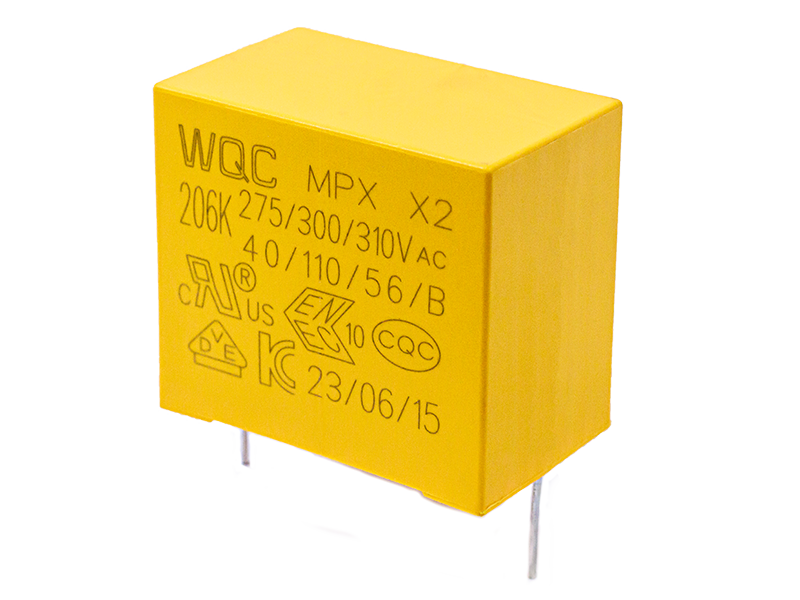
Capacity and voltage range from low to high, widely distributed. Can be applied to lighting and consumer electronics.
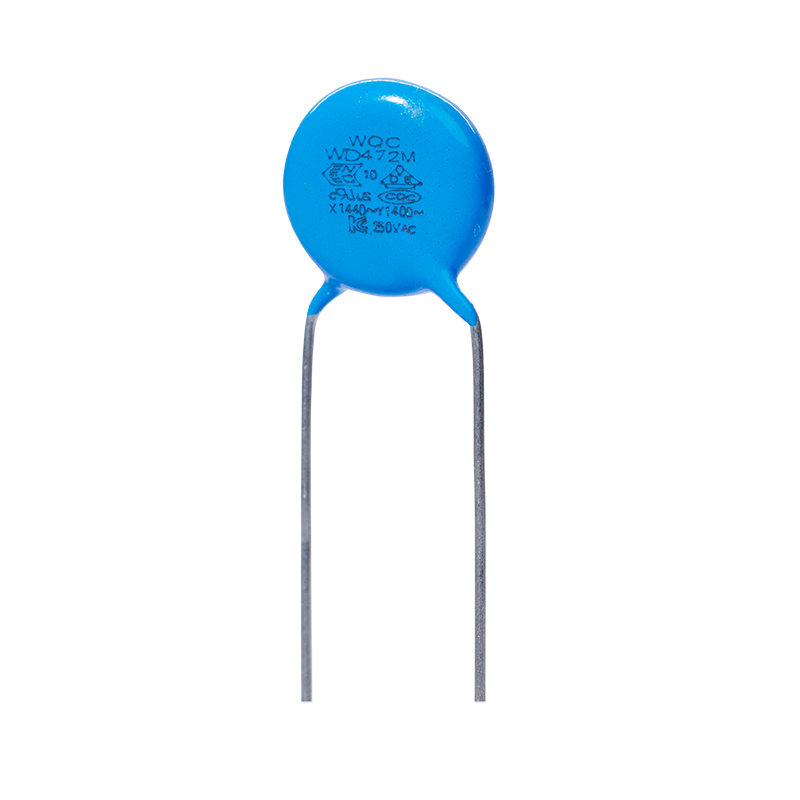
Capacity and voltage range from low to high, widely distributed. Can be applied to lighting and consumer electronics.
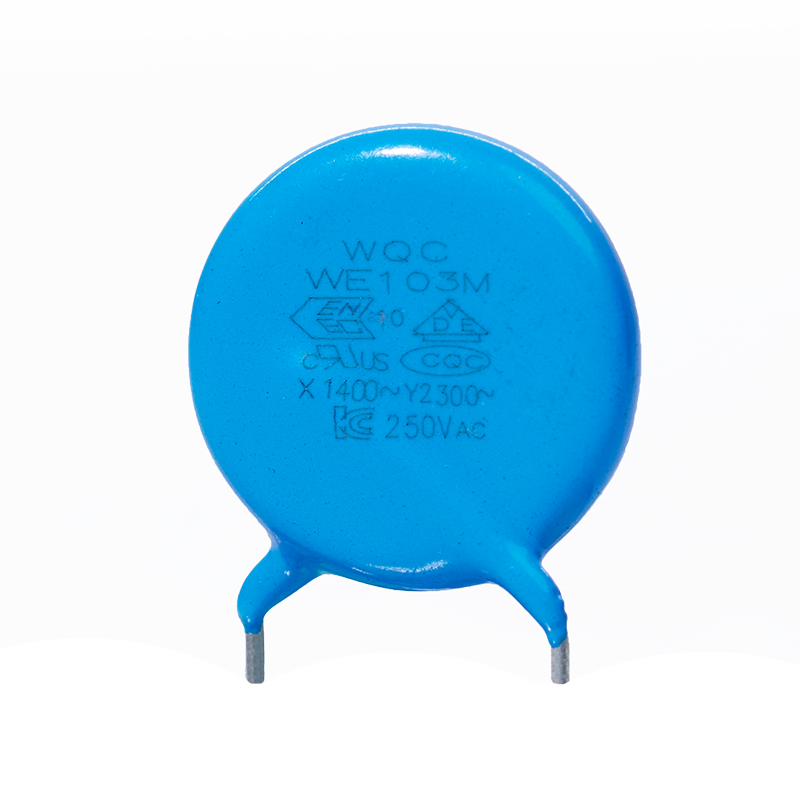
Capacity and voltage range from low to high, widely distributed. Can be applied to lighting and consumer electronics.
-
-
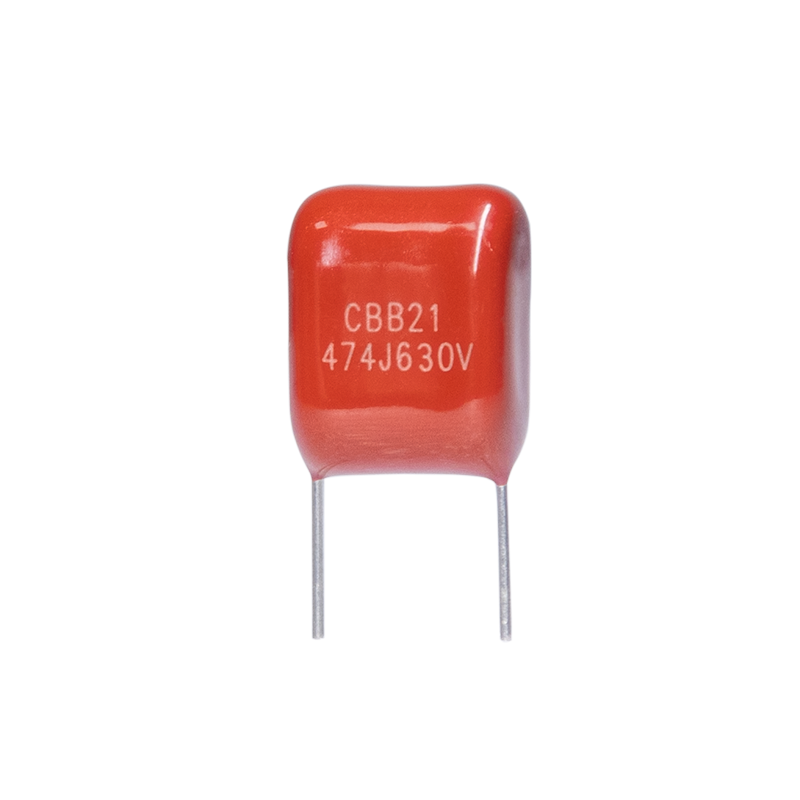
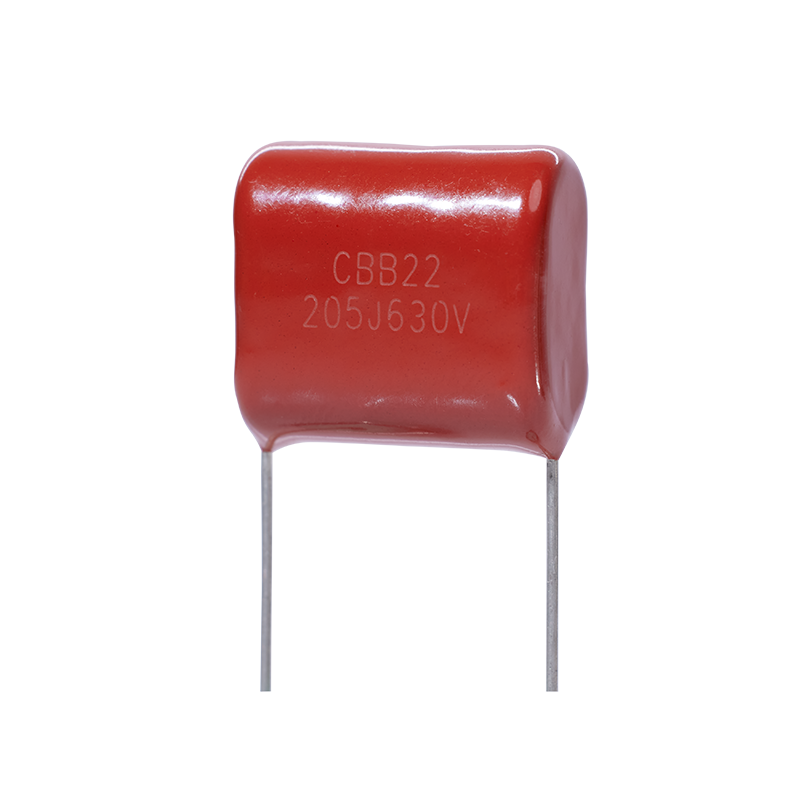
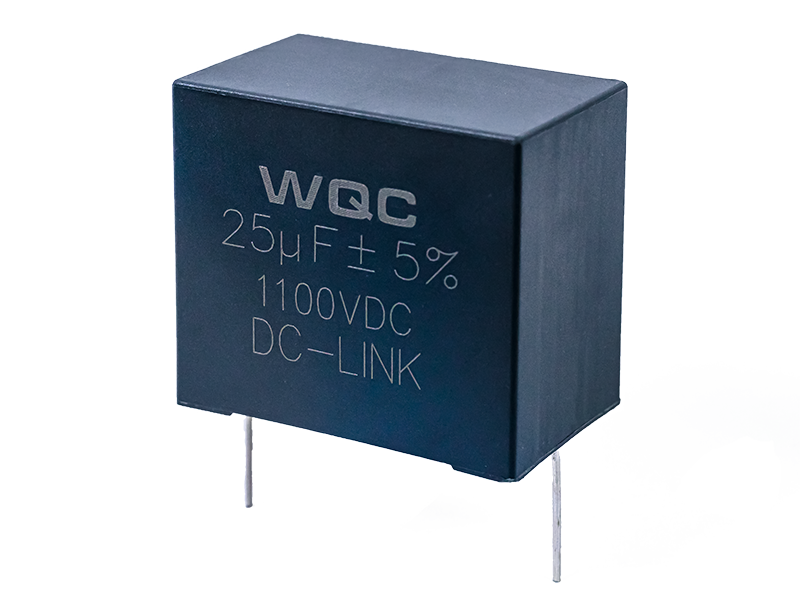
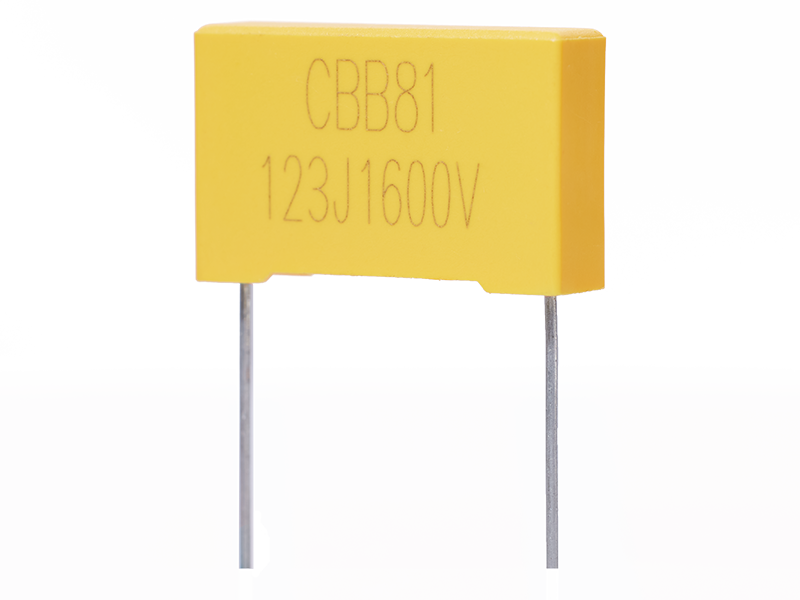
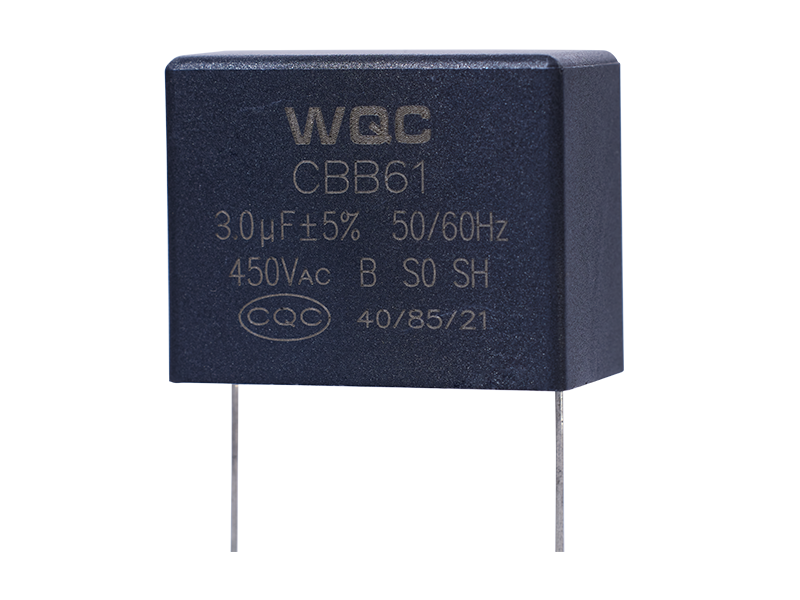
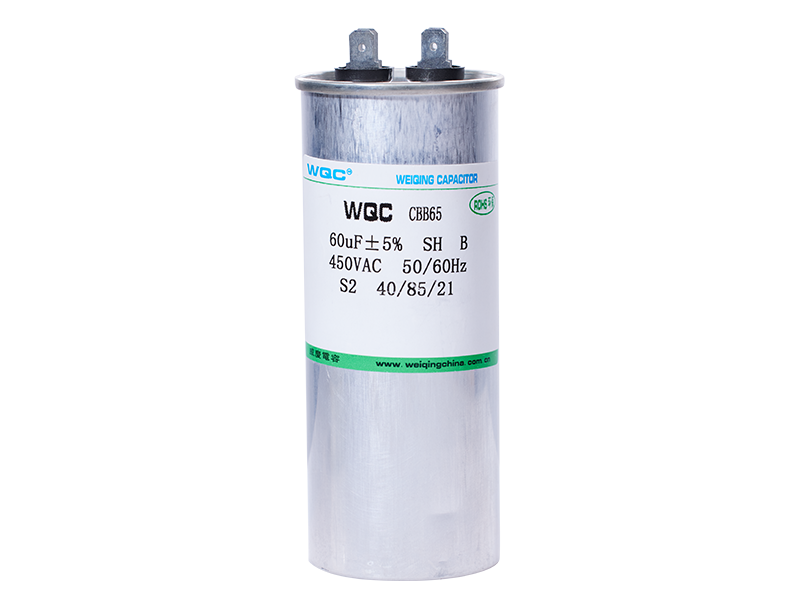
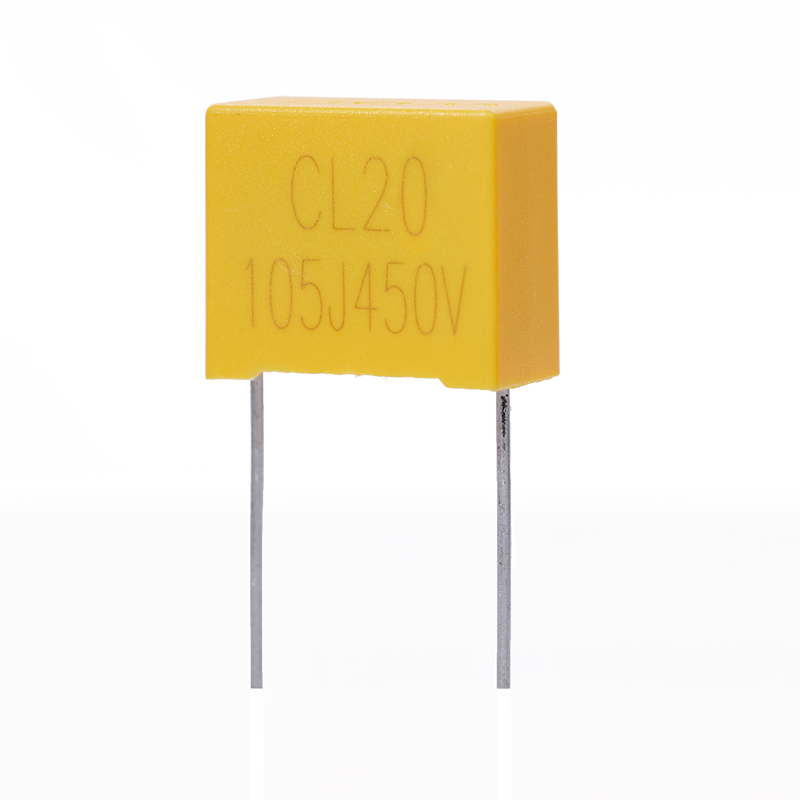
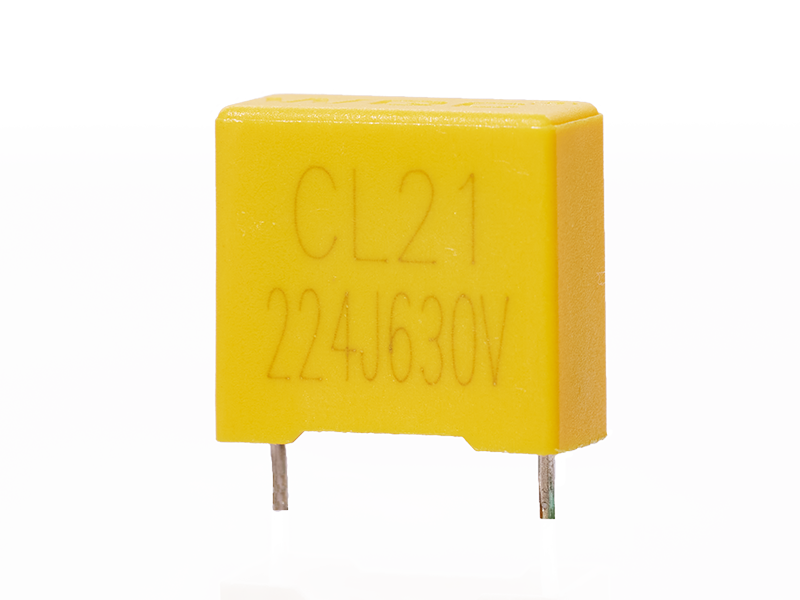
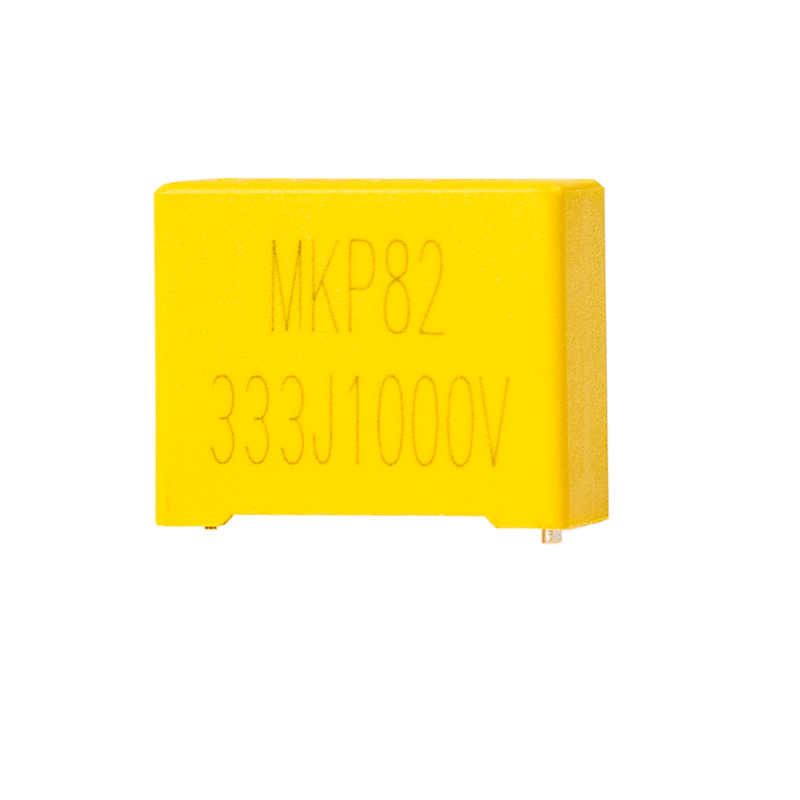
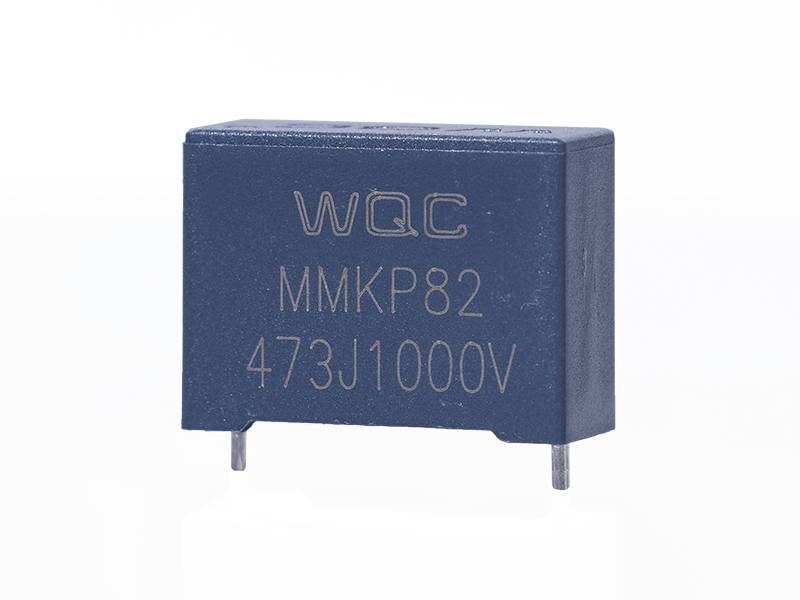
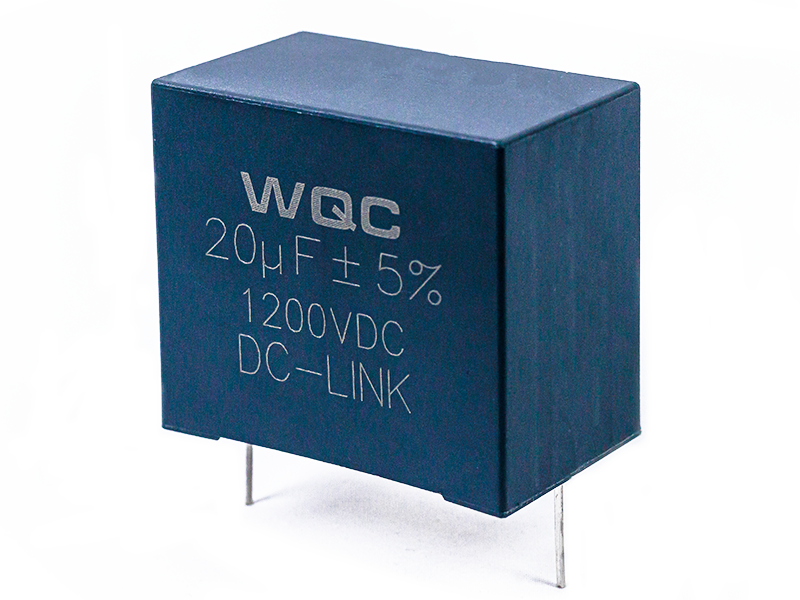

Analysis of the Operating Principle of MKP Capacitors
Release time:
2024-04-30 00:03
Source:
When the circuit is operating, MKP capacitors store electric charge and release it when needed, thereby stabilizing the circuit’s voltage and current. MKP capacitors boast excellent frequency response characteristics and low losses, effectively suppressing high-frequency interference and playing a crucial role in applications such as filtering, coupling, and decoupling. At the same time, MKP capacitors also offer advantages such as high-temperature stability and long service life, enabling them to operate reliably under a wide range of demanding working conditions.
In summary, MKP capacitors, with their reliability, high performance, and environmentally friendly characteristics, are widely used in various electronic devices and circuits, playing an important role in enhancing circuit stability and performance.
Previous Page
Related News
2026 Complete Guide: What Is a Thin Film Capacitor, Uses & Selection Tips
This 2026 updated guide from Weiqing Electronics breaks down all essential information about thin film capacitors, from basic definitions to practical selection strategies. Drawing on our years of manufacturing and testing experience, we share real test data, industry insights, and objective comparisons to help you pick the right component for your electronic design.
2026 Complete Guide to Thin Film Capacitor: Selection, Types & Applications
This 2026 professional guide breaks down all key information about thin film capacitors, from basic working principles to practical selection tips. Drawing on over 30 years of manufacturing experience at Weiqing Electronics, it helps designers and procurement teams pick the right component, answering common questions and comparing performance across types.
Thin Film Capacitor: Types, Applications, Benefits & Selection Guide 2026
This complete 2026 guide covers all key aspects of thin film capacitors, including basic definitions, core types, performance advantages, common applications, and expert selection tips. Backed by Weiqing Electronics’ 20+ years of manufacturing experience and third-party industry data, this guide helps engineers and procurement professionals make informed decisions for consumer automotive, industrial, and aerospace electronic projects.
Resonant Capacitor 2026 Guide: Types, Selection & Applications for Engineers
This guide covers all core knowledge of resonant capacitors for 2026, from basic definitions and working principles to selection criteria and common application scenarios. We combine Weiqing Electronics’ decades of manufacturing and testing experience to deliver objective, professional insights, helping engineers and procurement professionals avoid common selection mistakes and improve circuit performance.
Resonant Capacitor: Complete 2026 Guide for Selection and Applications
This 2026 expert guide from Weiqing Electronics breaks down all key information about resonant capacitors, from core definitions and working principles to practical selection tips and troubleshooting. It includes in-house test data and real-world experience to help you pick the right component for your project.
Complete 2026 Guide: How to Choose a Reliable Capacitor Manufacturing Plant
This guide covers all critical aspects of sourcing from a professional capacitor manufacturing plant, from quality control protocols to production capacity and custom design support. We draw on 20+ years of hands-on production experience, 2026 industry data, and answer common questions to help you avoid sourcing risks. Whether you need prototypes or bulk production, this guide helps you make an informed decision.
Service Hotline:
Contact
Phone: +86 13826981362
Tel:+86 076988956188
E-mail: wqc001@weiqingchina.com.cn
Address: Weiqing Electronics Co., Ltd., Floor 1, Building 12, No.7, Science and Technology 10th Road, Songshan Lake High-tech Development Zone, Songshan Lake Administrative Committee, Dongguan City, Guangdong Province
Mobile Website

Scan Consultation