Dongguan Safety Capacitor: The Guardian of Circuit Safety
2025-07-28
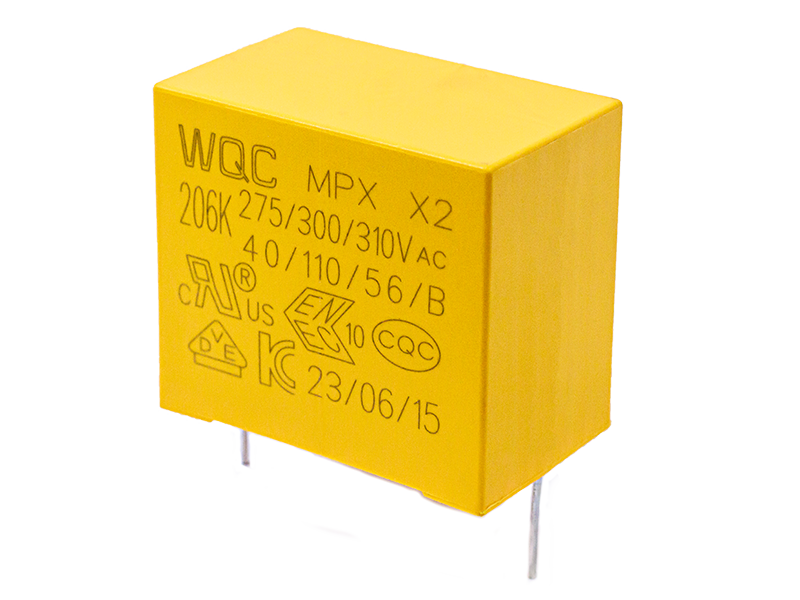
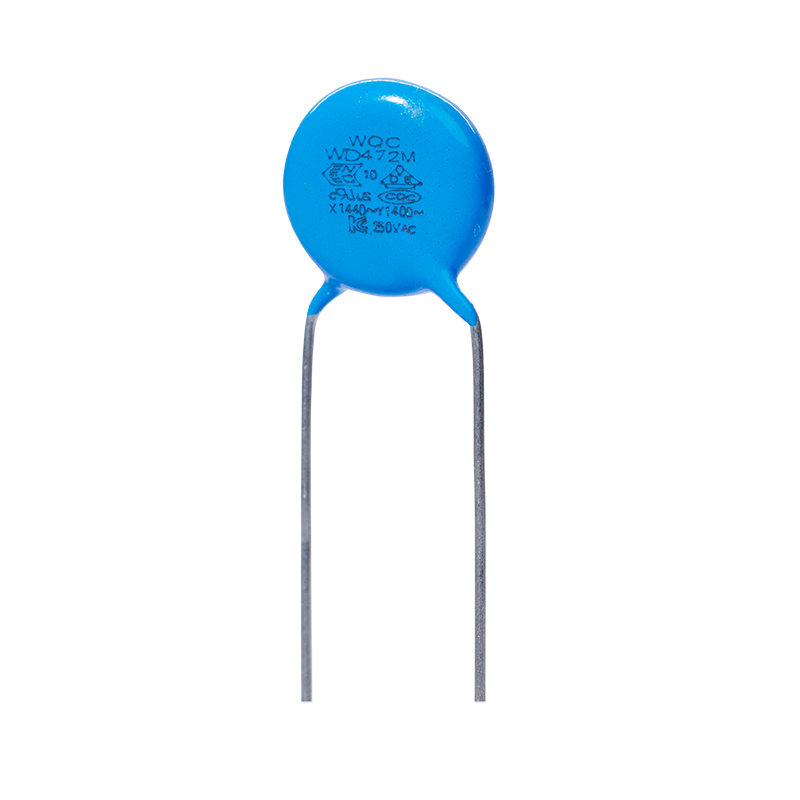
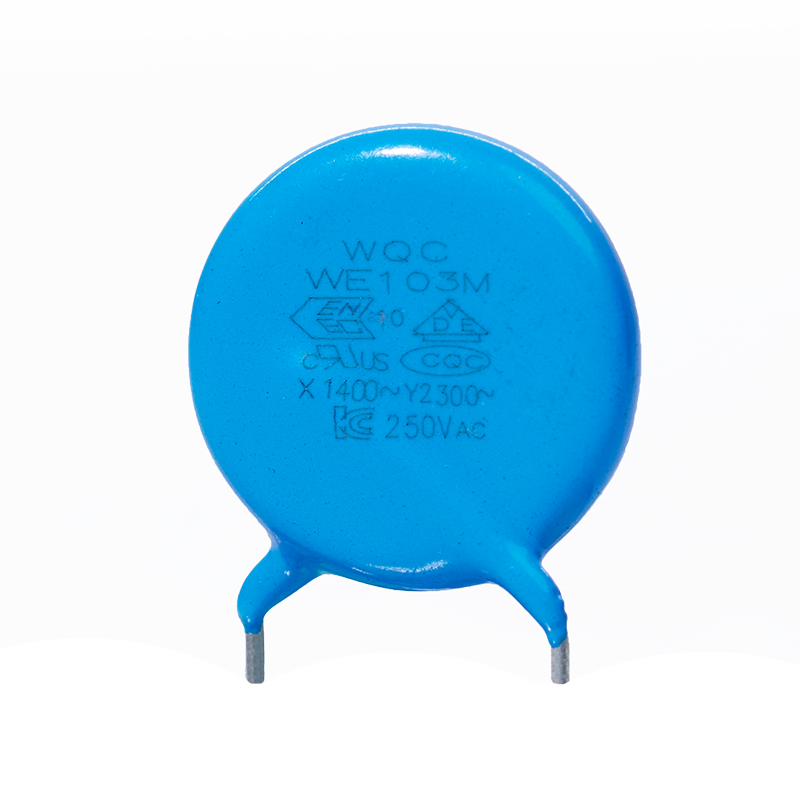
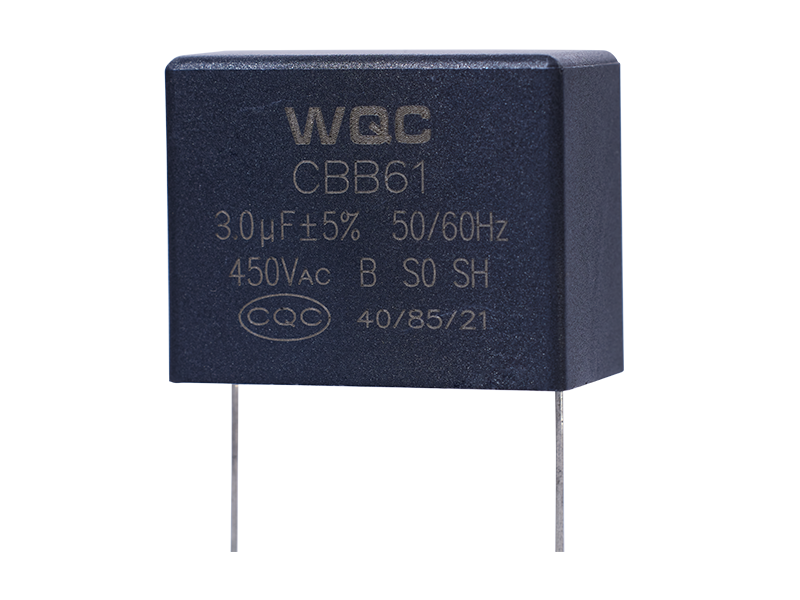
Dongguan safety-rated capacitors are a special type of capacitor that differs from ordinary capacitors in their high emphasis on safety. Safety-rated capacitors are primarily divided into two categories: X capacitors and Y capacitors. X capacitors are mainly used to suppress common-mode interference and are connected across the two lines of the power supply (L-N). In various electronic devices—such as power adapters and chargers—when current flows through the circuit, common-mode interference is inevitably generated. This interference can affect the normal operation of the device and even cause electromagnetic interference to other connected equipment. Thanks to their unique properties, X capacitors effectively suppress this common-mode interference, thereby ensuring electromagnetic compatibility within the circuit. Y capacitors, on the other hand, are primarily used to suppress differential-mode interference and are connected between the power line and the ground terminal (L-PE or N-PE). Differential-mode interference refers to interference signals that exist between the power line and the earth. Once such interference enters the circuit system, it may trigger serious safety issues, such as leakage currents or short circuits. Y capacitors act as a robust barrier, preventing differential-mode interference from entering the circuit. In certain devices with extremely high safety requirements—such as medical equipment and precision instruments—the presence of Y capacitors is absolutely essential. They ensure that these devices can continue to operate safely even in complex electromagnetic environments.
The high-frequency star in electronic circuits featuring high-frequency metal film capacitors.
2025-07-15
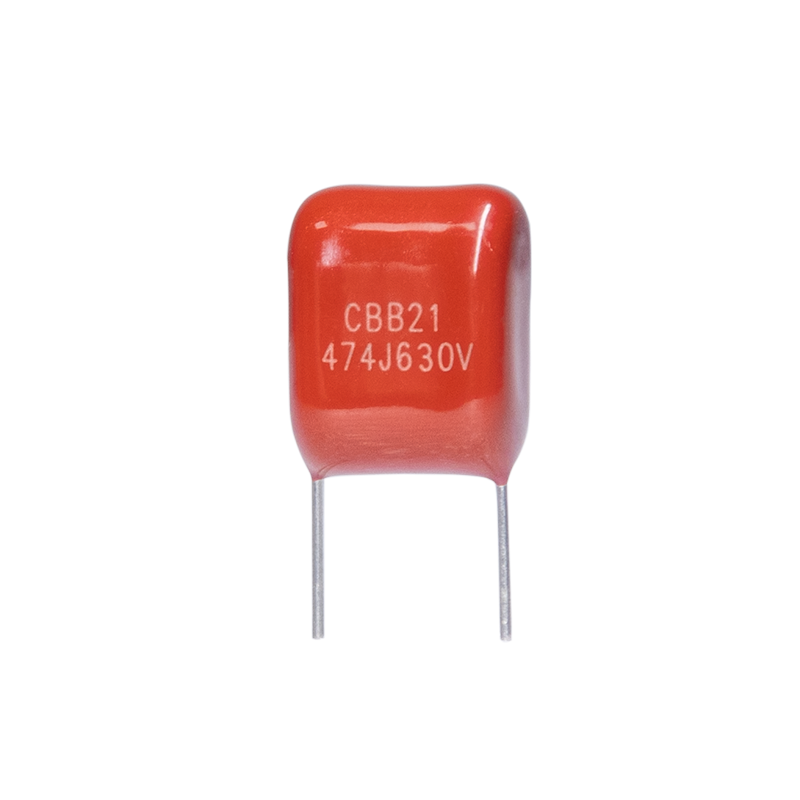
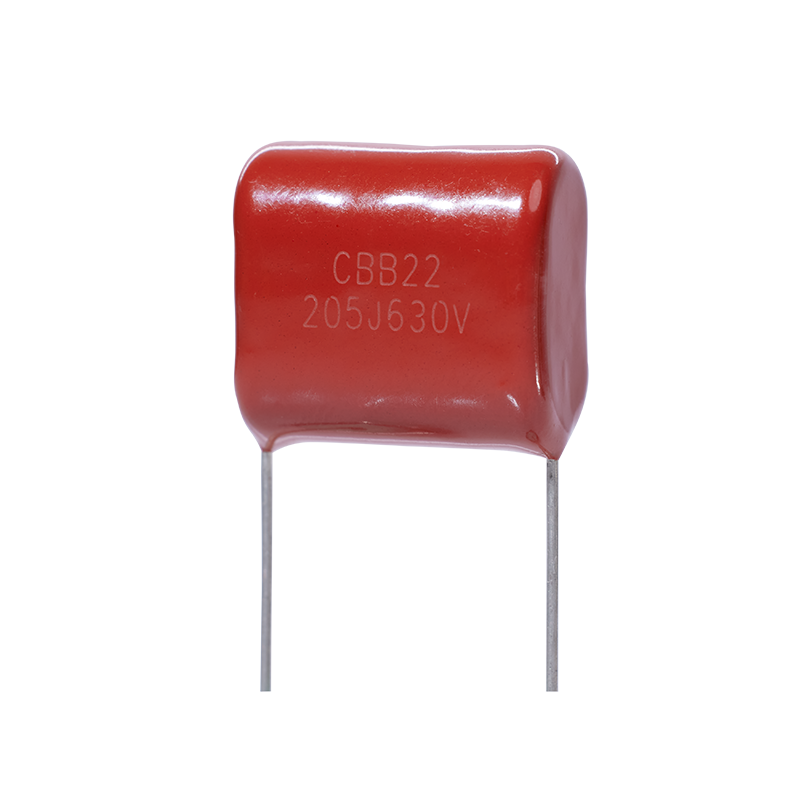
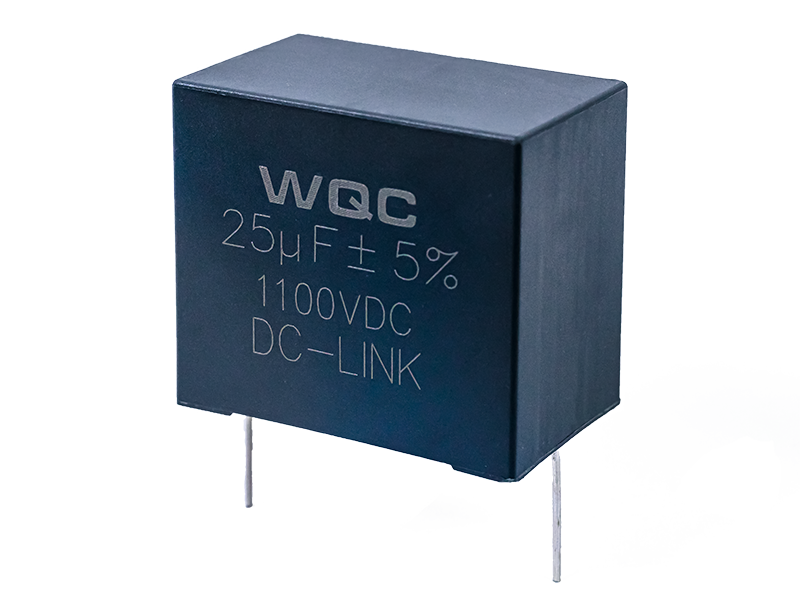
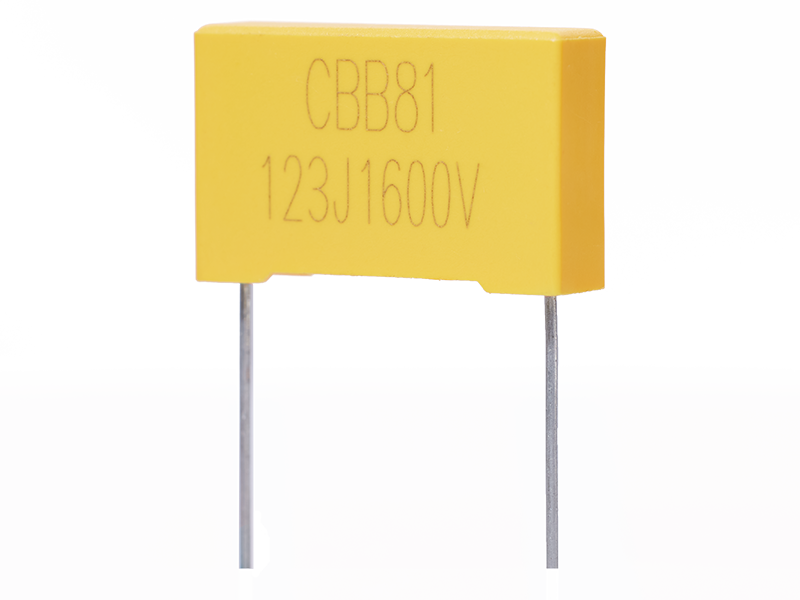
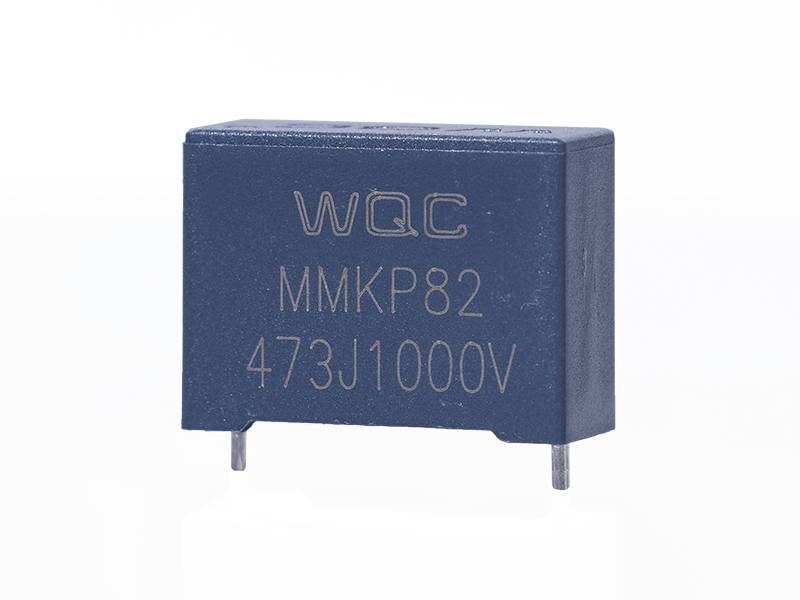
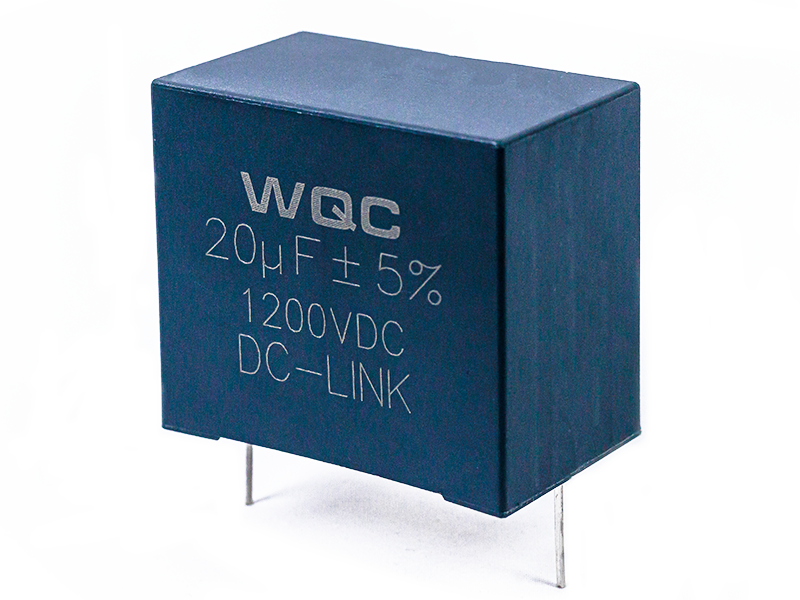
In this era of rapid advancement in modern electronic technology, high-frequency metal-film capacitors shine like a brilliant star, playing a crucial role in numerous electronic circuits. A high-frequency metal-film capacitor is a type of capacitor that uses metal films as electrodes and plastic films or other dielectric materials as the dielectric medium. Although its basic structure appears simple, it embodies an ingenious design philosophy. The metal-film electrodes typically have extremely thin thicknesses, enabling these capacitors to achieve large capacitance values within compact volumes. Moreover, the choice of dielectric material significantly impacts high-frequency performance; high-quality plastic film dielectrics boast characteristics such as low loss and high insulation, ensuring stable operation of the capacitor even under high-frequency conditions. From a performance standpoint, high-frequency metal-film capacitors exhibit many outstanding features. They demonstrate exceptional high-frequency performance. In modern communication devices—such as mobile phones and base stations—signal transmission and processing often occur in the high-frequency band. High-frequency metal-film capacitors can maintain excellent capacitance performance in these high-frequency environments, effectively coupling and filtering high-frequency signals. For instance, in the radio frequency circuits of mobile phones, they precisely filter out unwanted spurious signals, ensuring the purity of the RF signals and thereby enhancing communication quality. High-frequency metal-film capacitors also feature a low equivalent series resistance (ESR).
A key component in high-frequency metal film capacitor electronic circuits.
2025-06-30
In the booming wave of modern electronic technology, high-frequency metal-film capacitors play an indispensable role. From communication devices to computer motherboards, from audio circuits to aerospace and aviation electronic systems, these tiny capacitors perform critical functions in a wide range of applications. Although the structure of high-frequency metal-film capacitors appears simple, it embodies sophisticated design principles. The capacitor mainly consists of metal-film electrodes, a dielectric layer, and electrode leads. The metal-film electrodes are typically made of highly conductive metals such as aluminum or tantalum; these metal films exist in ultra-thin form, enabling them to respond rapidly to changes in electric charge under high-frequency conditions. The dielectric layer is the key component of the capacitor, determining its fundamental performance characteristics. Common dielectric materials include polymers such as polyester (PET) and polypropylene (PP), which boast excellent insulating properties and appropriate dielectric constants. In high-frequency applications, the low-loss characteristics of the dielectric layer are particularly important—reducing energy losses during the charging and discharging processes and ensuring efficient signal transmission. The performance features of high-frequency metal-film capacitors set them apart in numerous fields. First, their high-frequency capability: In high-frequency circuits, where signal frequencies are extremely high, conventional capacitors may suffer from parasitic parameters—such as equivalent series inductance (ESL) and equivalent series resistance (ESR)—which can significantly degrade their performance.
2025-06-13
High-frequency metal-film capacitors, as critical components in electronic devices, play an irreplaceable role in high-frequency circuits thanks to their excellent electrical performance and stability. This article provides a detailed analysis of high-frequency metal-film capacitors from three perspectives: their fundamental characteristics, application fields, and advantages.
I. Fundamental Characteristics of High-Frequency Metal-Film Capacitors
High-frequency metal-film capacitors are manufactured using vacuum evaporation technology, in which an ultra-thin metal layer—typically made of zinc or aluminum-zinc alloy—is directly deposited onto an extremely thin plastic dielectric film to serve as the electrode, rather than relying on separate metal foils. This unique structure endows the capacitor with exceptionally high self-healing capability. When defects occur in the dielectric film or when localized dielectric breakdown is triggered by overvoltage surges, the metal coating surrounding the breakdown point rapidly evaporates and oxidizes under the high temperature and electric arc generated at the moment of breakdown, forming an insulating isolation zone. As a result, the short-circuit location is automatically eliminated, allowing the capacitor to return to an almost pristine insulating state and continue functioning normally. Moreover, high-frequency metal-film capacitors exhibit low losses, excellent frequency response, a small temperature coefficient, and high dielectric strength.
II. Application Fields of High-Frequency Metal-Film Capacitors
High-Frequency Circuits: High-frequency metal-film capacitors excel in high-frequency circuits, such as resonant, matching, and filtering applications. Their outstanding frequency characteristics enable them to perform exceptionally well in these applications.
Precision component in high-frequency metal film capacitor electronic circuits
2025-05-29
In the rapid wave of modern electronic technology development, high-frequency metal-film capacitors—playing an indispensable role in numerous fields—are emerging as a crucial electronic component. At the heart of these high-frequency metal-film capacitors lies the use of metal films as electrode materials. These metal films typically have extremely thin thicknesses, a characteristic that endows the capacitors with unique performance attributes. From an external perspective, they may appear as merely small components; yet internally, the metal films are meticulously fabricated and assembled. During manufacturing, advanced coating technologies are employed to uniformly deposit metal onto dielectric substrates, forming the electrodes, which are then encapsulated. In terms of performance, high-frequency metal-film capacitors exhibit outstanding high-frequency characteristics. In high-frequency circuits, signal transmission and processing demand that capacitors can charge and discharge rapidly while minimizing signal loss. Thanks to their inherent structural and material advantages, high-frequency metal-film capacitors can effectively meet these requirements. For instance, in communication equipment—from mobile base stations to satellite communication devices—processing high-frequency signals is critical. High-frequency metal-film capacitors can efficiently filter out noise from high-frequency signals, ensuring signal purity and thereby enhancing the stability and reliability of communication. Moreover, these capacitors demonstrate excellent stability under varying conditions, such as temperature and voltage fluctuations.
High-frequency metal film capacitors are key components in high-frequency circuits.
2025-05-14
High-frequency metal film capacitors are electronic components that play a critical role in high-frequency circuits. Thanks to their unique structure and performance characteristics, they are widely used in numerous fields such as telecommunications, computing, and automotive electronics.
I. Structure and Principle
High-frequency metal film capacitors primarily consist of three main parts: metallized film electrodes, a dielectric layer, and an outer casing. The metallized film electrodes are formed by depositing a metallic film onto a dielectric substrate. This structure ensures that the capacitor’s electrodes are tightly bonded to the dielectric material. The dielectric layer typically uses materials such as polyester film or polyimide film, which serve to insulate the two electrodes from each other and ensure the proper functioning of the capacitor. When a voltage is applied across the capacitor’s two plates, an electric field is established within the dielectric material, causing charges to accumulate between the two electrodes and thus enabling the capacitor to perform its function.
II. Performance Characteristics
(1) Excellent High-Frequency Performance
High-frequency metal film capacitors excel in high-frequency signal processing. They maintain low equivalent series resistance (ESR) and low equivalent series inductance (ESL) in high-frequency circuits, effectively filtering out noise and reducing signal distortion, thereby enhancing the signal transmission speed of the circuit. As a result, these capacitors have become the preferred component for high-frequency circuits and are widely used in high-frequency applications such as communication equipment, automotive electronics, and industrial control systems.
(2) Good Stability
The thin...