The Principle and Significance of Double-Sided Metallized Film Capacitors

2025-02-03

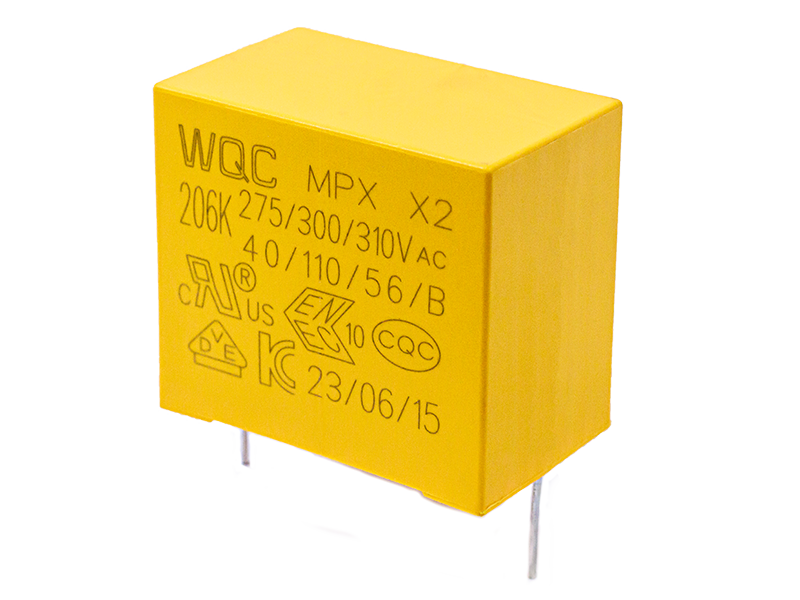
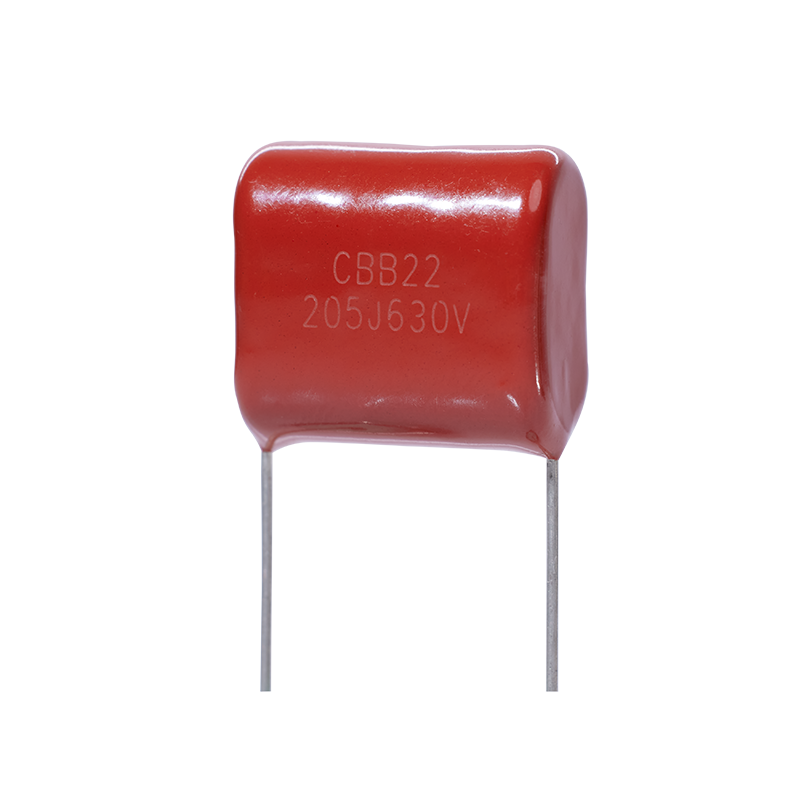
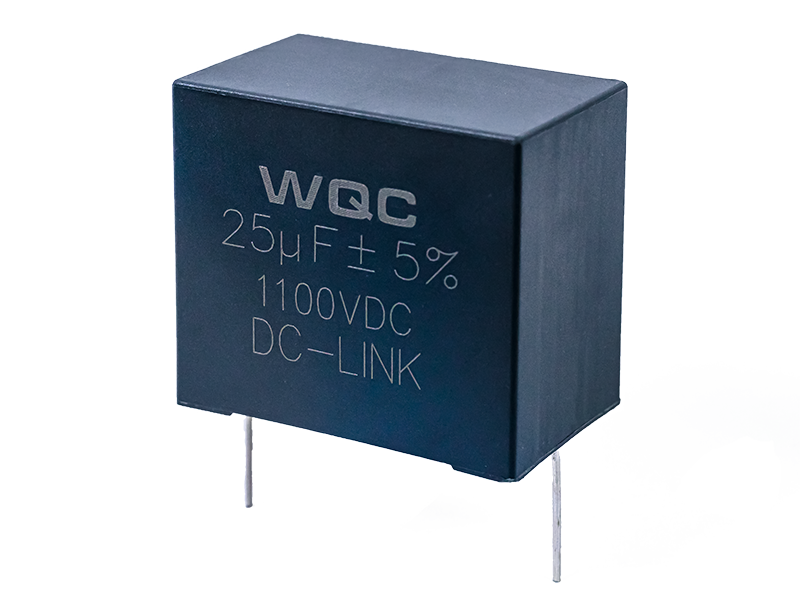
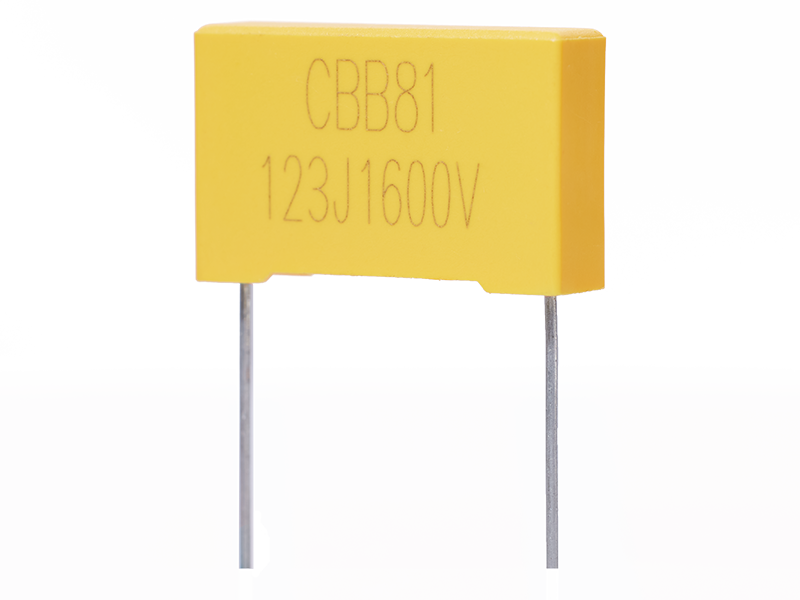
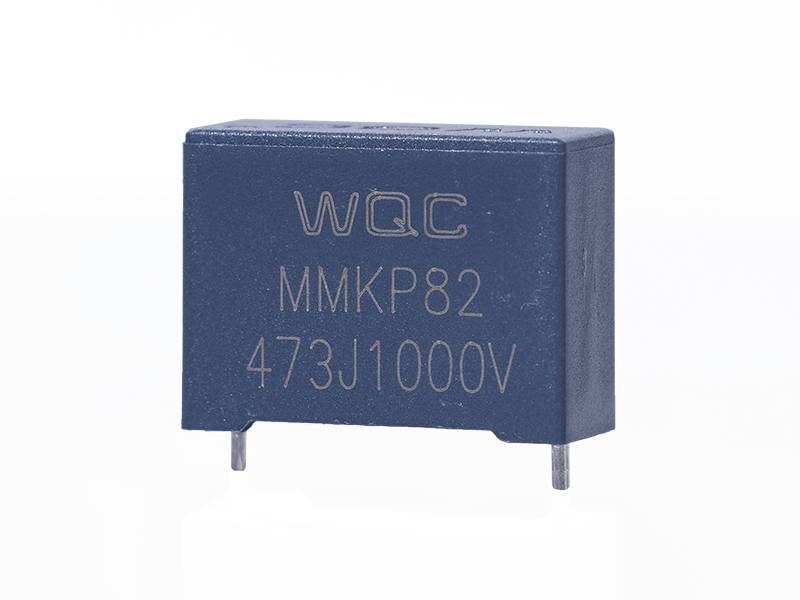
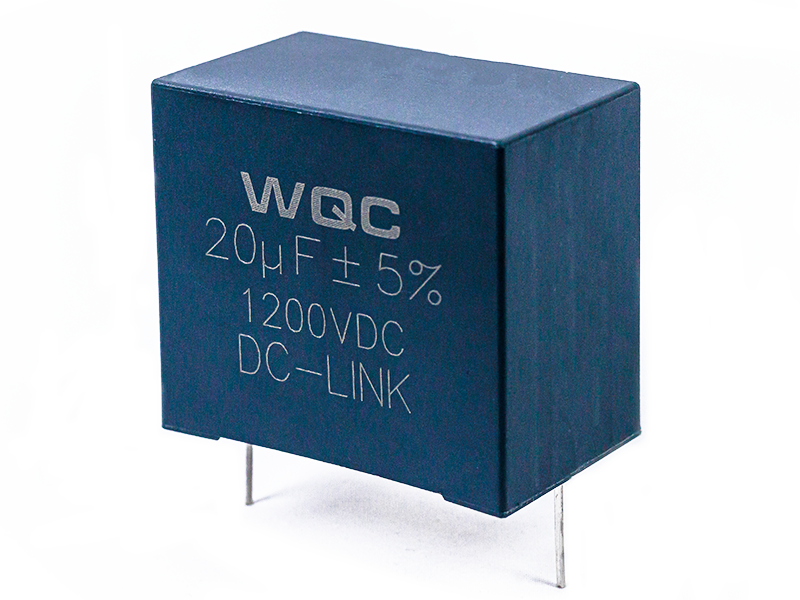
Double-sided metallized film capacitors, as high-performance electronic components, play a crucial role in modern electronic devices thanks to their unique structure and exceptional performance. I. Construction and Principle A double-sided metallized film capacitor consists of two metal films sandwiched between a dielectric layer. The metal films are typically composite layers formed by depositing metal vapor onto the surface of a thin film substrate under vacuum conditions at high temperatures. The dielectric layer is usually made from materials with high dielectric constants, such as polypropylene or polyester. These materials exhibit high insulation resistance and low dielectric loss factors. When a voltage is applied across the two metal films, charges within the dielectric layer shift, creating an electric field that stores electrical energy—thus fulfilling the fundamental function of a capacitor. II. Characteristics and Advantages Double-sided metallized film capacitors possess a variety of outstanding characteristics, making them an ideal choice for modern electronic devices. They offer high stability, maintaining consistent performance even under harsh environmental conditions. Their power loss is extremely low, with minimal dielectric losses, which ensures stable signal transmission. Additionally, these capacitors boast excellent frequency characteristics, featuring a wide frequency response suitable for high-frequency circuits. Importantly, they have self-healing properties: if a localized defect occurs in the dielectric due to its inherent fragility, the capacitor can automatically recover and restore its functionality.

Learn more

The core component of electronic devices—double-sided metallized film capacitors.

2025-01-20

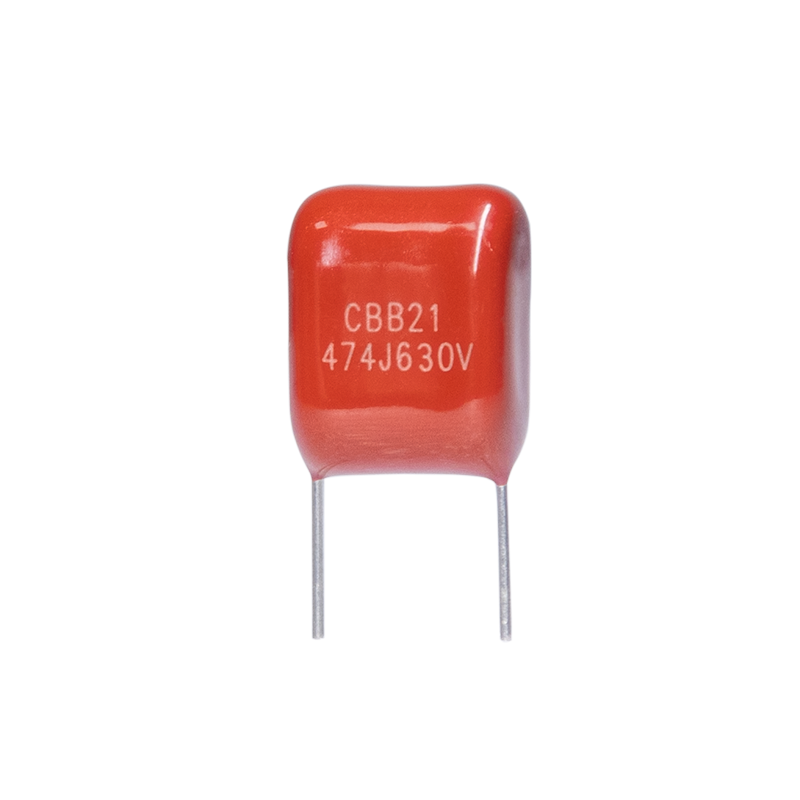
Double-sided metallized film capacitors, as high-performance electronic components, play a crucial role in a wide variety of electronic devices. Their unique structure and outstanding performance have made them an indispensable part of the modern electronics industry. A double-sided metallized film capacitor consists of two metal films sandwiched between a dielectric layer. Typically, the metal films are composite layers formed by depositing metal vapor onto the surface of a thin-film substrate under vacuum conditions at high temperatures. This process allows for precise control of the metal layer thickness, usually around several tens of nanometers. The double-sided design increases the cross-sectional area through which current flows, enabling a greater current to pass per unit time and thus enhancing the capacitor's overall performance. The dielectric layer of these capacitors is usually made from materials such as polypropylene or polyester, which boast high dielectric constants, high insulation resistance, and low dielectric loss factors. As a result, these capacitors excel in high-frequency and high-voltage circuits. Moreover, double-sided metallized film capacitors exhibit high stability, low losses, and excellent frequency characteristics, ensuring reliable performance even under harsh environmental conditions. In electronic devices, double-sided metallized film capacitors find extensive applications. For instance, in communication equipment, they are commonly used in circuits for filtering, coupling, and bypassing purposes, thereby...

Learn more

Safety capacitors are crucial components that ensure the safety of electronic products.

2024-10-21

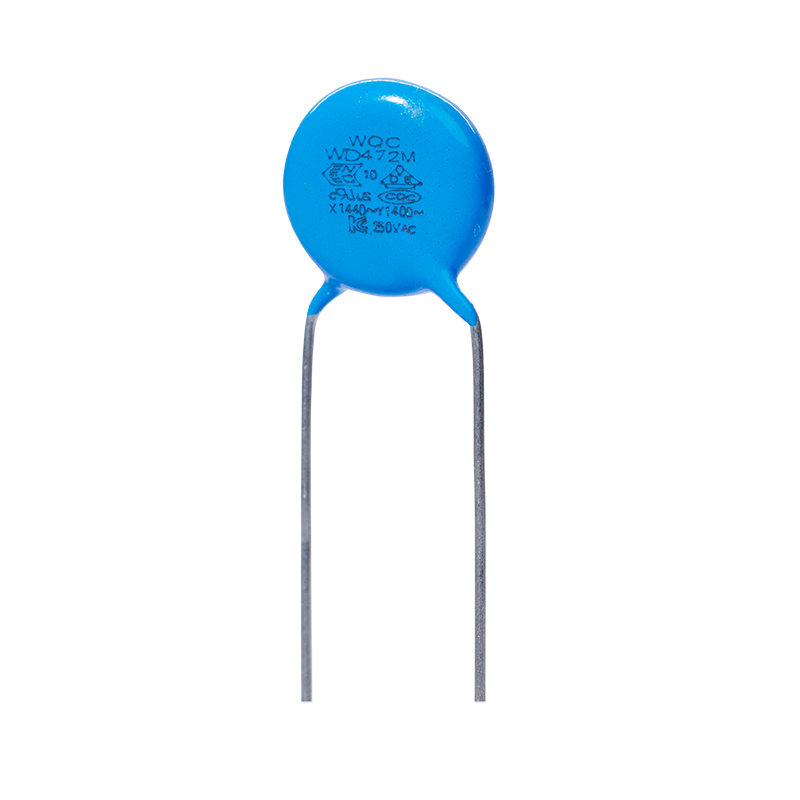
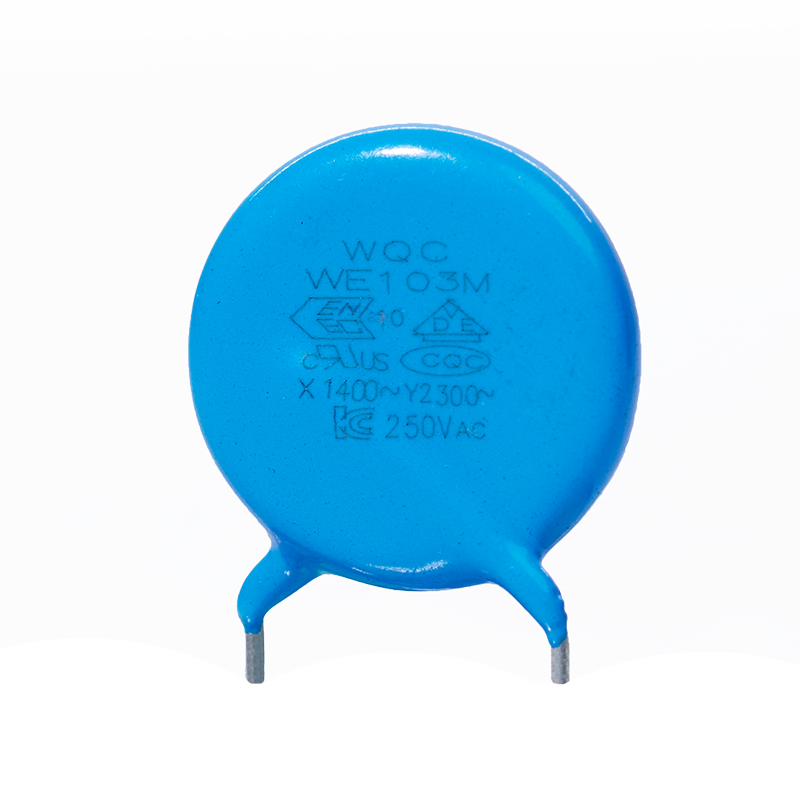
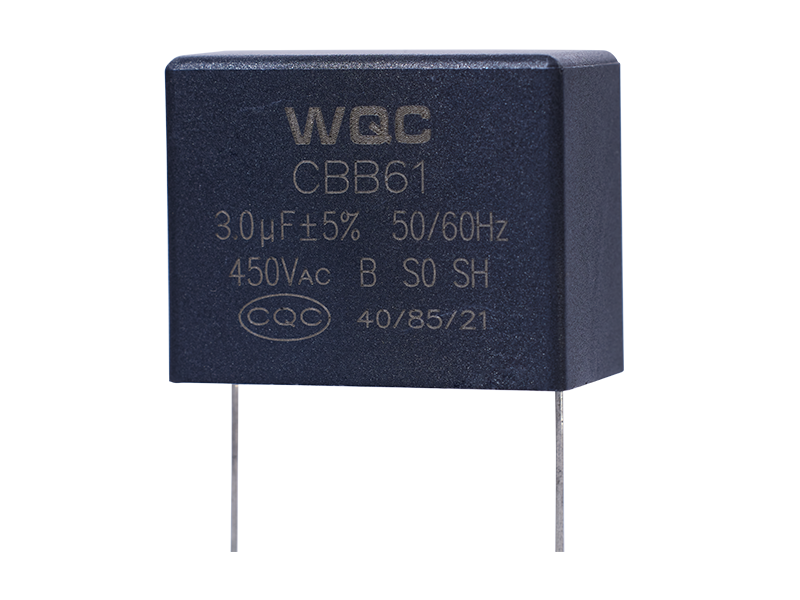
Safety capacitors, a special type of capacitor, play an indispensable role in electronic products. During their design and manufacturing, these capacitors strictly adhere to safety standards to ensure that, should the capacitor fail, it will not cause electric shock injuries to humans, thereby safeguarding personal safety. Safety capacitors are commonly used for filtering purposes in anti-interference circuits—particularly in power supply filters—where they effectively filter both common-mode and differential-mode interference, significantly enhancing the circuit’s resistance to interference. Moreover, for safety reasons and to ensure electromagnetic compatibility (EMC), it is generally recommended to install safety capacitors at the power input stage, further bolstering the circuit’s safety and stability. Safety capacitors are primarily categorized into two types: X capacitors and Y capacitors. X capacitors are connected across the two lines of the power supply (L-N) and typically use metal-film capacitors with relatively large capacitance values, usually in the microfarad (uF) range. Y capacitors, on the other hand, are connected between each power line and ground (L-E, N-E) and usually appear in pairs; their capacitance values are much smaller, typically in the nanofarad (nF) range. These two types of capacitors each play a crucial role in the circuit, working together to maintain its safety and stability. When selecting safety capacitors, several factors must be taken into account. It is essential to ensure that the chosen capacitor complies with the applicable...

Learn more

Safety capacitors are key components for ensuring circuit safety.

2024-10-01

As an indispensable safety component in electronic circuits, the importance of safety capacitors is self-evident. During their design, manufacturing, and use, these capacitors strictly adhere to safety standards to ensure that, in the event of circuit failure or abnormal conditions, they will not pose an electric shock hazard to humans, thereby safeguarding users’ lives and property. Definition and Classification Safety capacitors, formally known as safety capacitors, are a type of capacitor designed to eliminate the risk of electric shock even if the capacitor itself fails. Based on their application location and functional characteristics, safety capacitors are primarily categorized into two types: X-type and Y-type. X-type capacitors are typically connected across the live wire and neutral wire, mainly used to suppress differential-mode interference; whereas Y-type capacitors are connected between the live wire and ground or between the neutral wire and ground, primarily used to suppress common-mode interference. Operating Principle and Safety Performance The operating principle of safety capacitors is similar to that of ordinary capacitors—both store electrical charge through a dielectric material between two electrodes. However, in terms of safety performance, safety capacitors have significant advantages. Their design complies with international safety standards, featuring high insulation withstand voltage and excellent electrical performance. In the event of a circuit fault, they can rapidly discharge stored energy, preventing residual current from passing through the human body or other electronic components, thus effectively avoiding the risk of electric shock. Application Fields Safety capacitors are widely used...

Learn more

Disadvantages and limitations of safety capacitors

2024-09-23

As a critical component for ensuring circuit safety, safety-certified capacitors, despite their numerous advantages, also have certain drawbacks and limitations. The following is a detailed supplement on the shortcomings and limitations of safety-certified capacitors: Drawbacks: Higher cost: Due to the stringent safety standards that safety-certified capacitors must meet in both design and manufacturing—including material selection, production processes, and safety testing—these requirements significantly increase their production costs. Consequently, compared to ordinary capacitors, safety-certified capacitors typically come with a higher price tag. Relatively large size: To enhance the insulation withstand voltage capability and meet safety standards, the design of safety-certified capacitors often necessitates certain compromises in terms of size. As a result, these capacitors may be relatively bulky and heavy, which could pose inconvenience in applications where space is limited. Limited lifespan: The lifespan of safety-certified capacitors is influenced by various factors, such as the operating environment, working conditions, and material aging. After prolonged use, safety-certified capacitors may experience performance degradation and reduced insulation capabilities; in severe cases, this could lead to failure or malfunction. Particularly under harsh conditions like high temperature, high voltage, and high frequency, the lifespan of safety-certified capacitors may be further shortened. Strict operational and maintenance requirements: Given the critical role of safety-certified capacitors in ensuring safety,

Learn more

Safety capacitors: the invisible guardians that safeguard circuit safety.

2024-09-06

In today’s world, where electronic devices are becoming increasingly ubiquitous, circuit safety has emerged as a critical issue that cannot be overlooked. Among the key components in circuits, safety capacitors—thanks to their unique safety features and wide range of applications—have become the silent guardians ensuring circuit integrity. I. Definition and Classification of Safety Capacitors As the name suggests, safety capacitors are capacitors that meet stringent safety standards. They are commonly used for filtering purposes in anti-interference circuits, effectively mitigating electromagnetic interference and ensuring the smooth operation of electronic devices. Depending on the application scenario and specific characteristics, safety capacitors can be categorized into two types: X capacitors and Y capacitors. X capacitors are primarily used to suppress differential-mode interference, while Y capacitors are designed to suppress common-mode interference. II. Characteristics and Advantages of Safety Capacitors Safe and Reliable: Safety capacitors undergo rigorous safety testing and certification, complying with relevant safety standards and regulations. During operation, even if the capacitor fails, it will not cause electric shock, thereby safeguarding personal safety. Excellent Insulation Performance: Safety capacitors employ high-quality insulation materials and advanced technologies, effectively isolating high-voltage sections within the circuit and preventing potential hazards such as current leakage and short circuits. High Efficiency: Safety capacitors feature low internal resistance and minimal energy loss, enabling them to respond swiftly to circuit demands.

Learn more

< 1...789...25 > 跳转到 页