
-
-

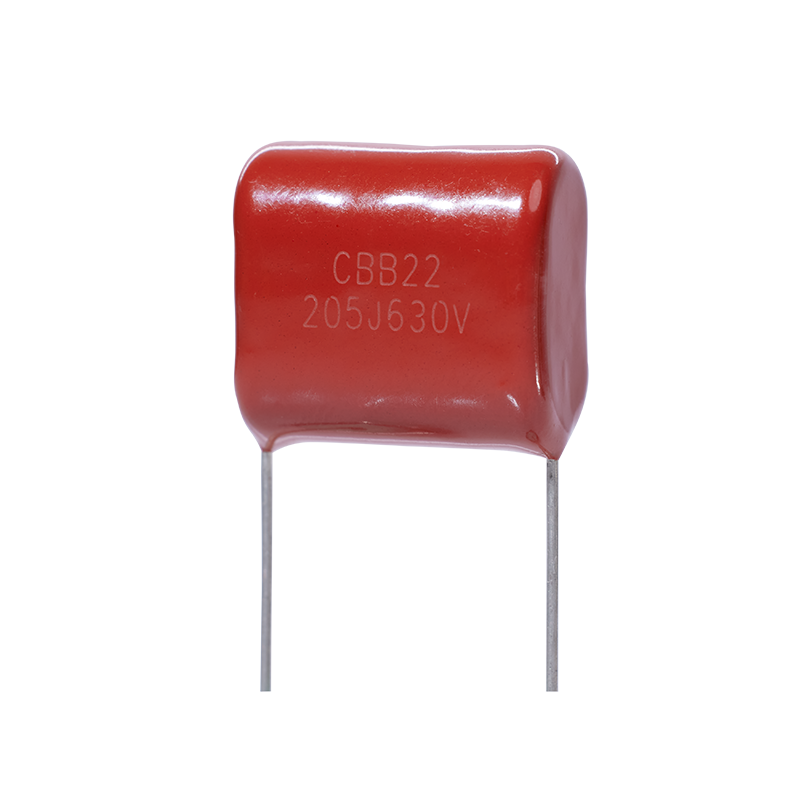
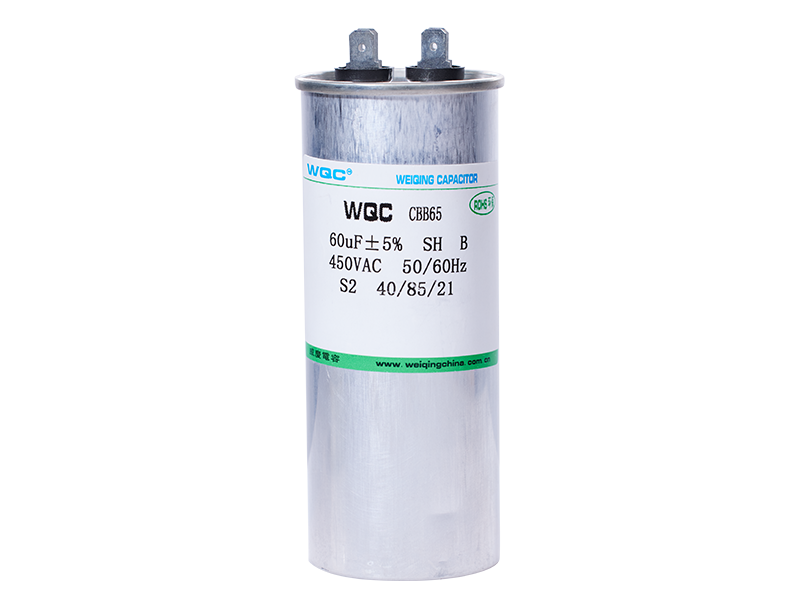
Capacity and voltage range from low to high, widely distributed. Can be applied to lighting and consumer electronics.
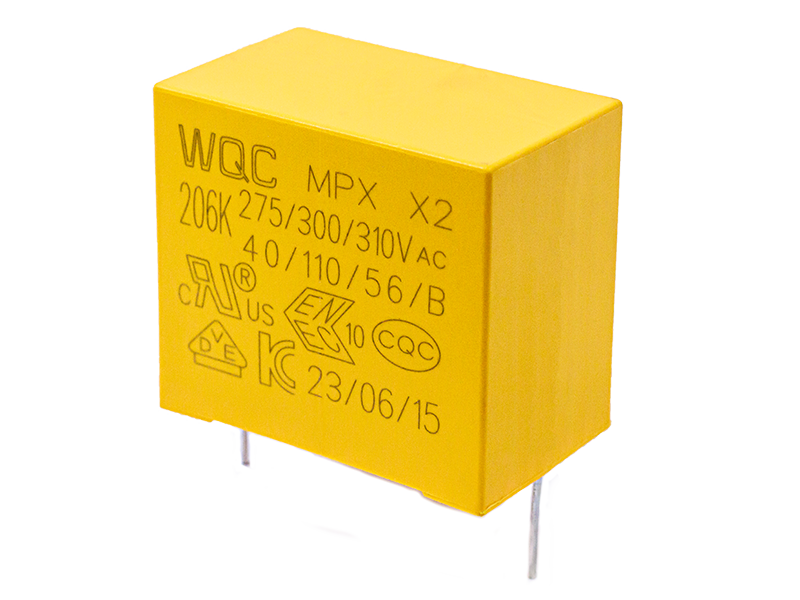
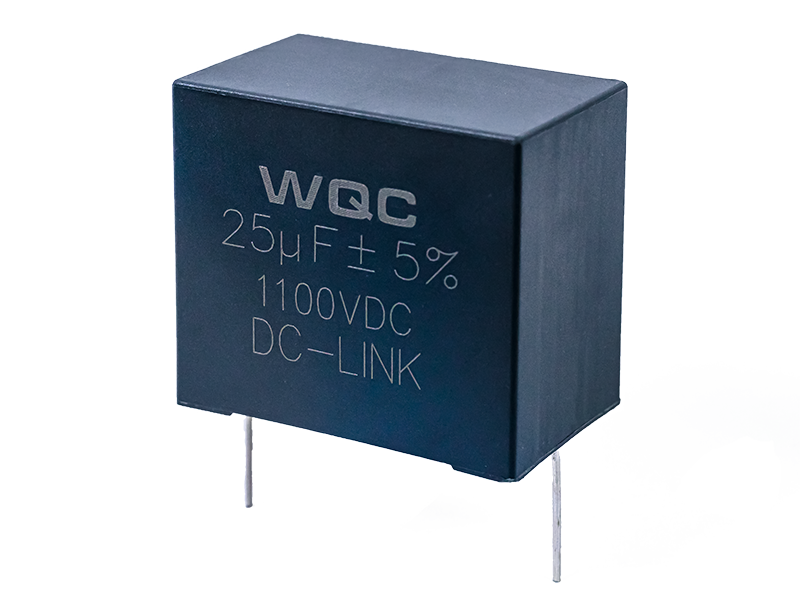
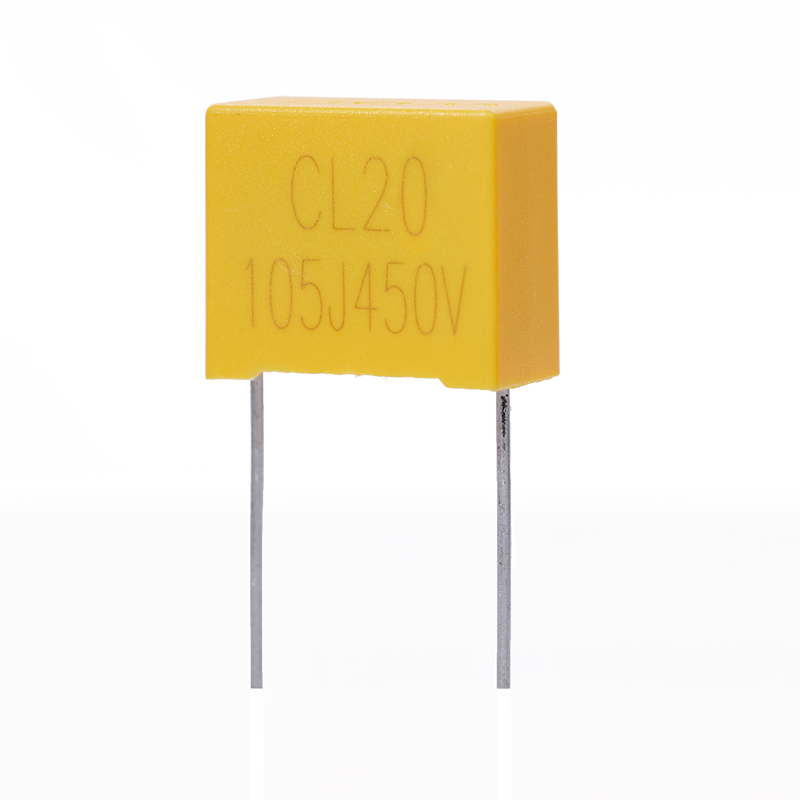
Capacity and voltage range from low to high, widely distributed. Can be applied to lighting and consumer electronics.
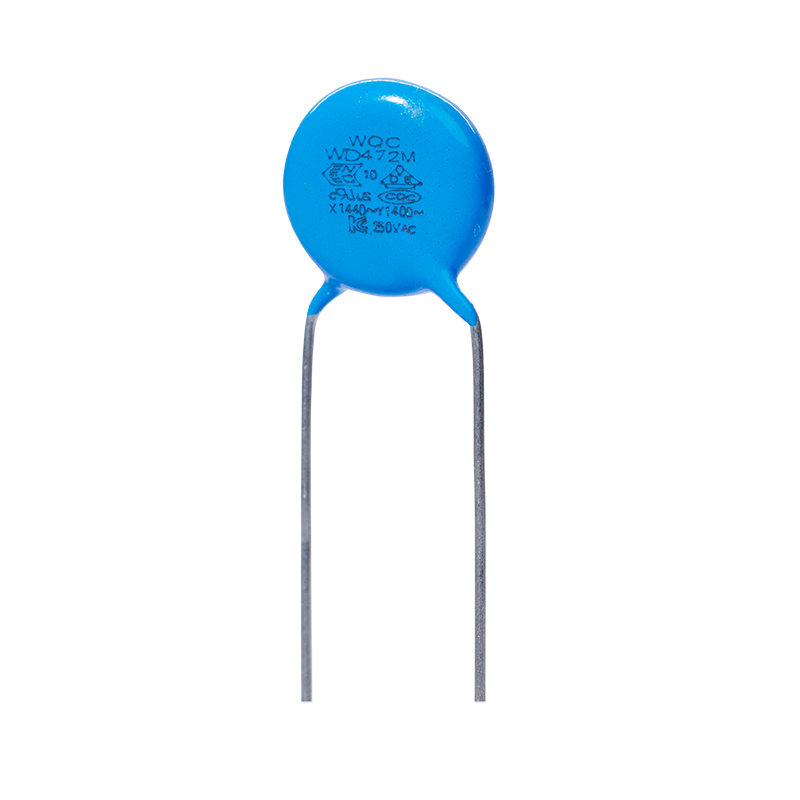
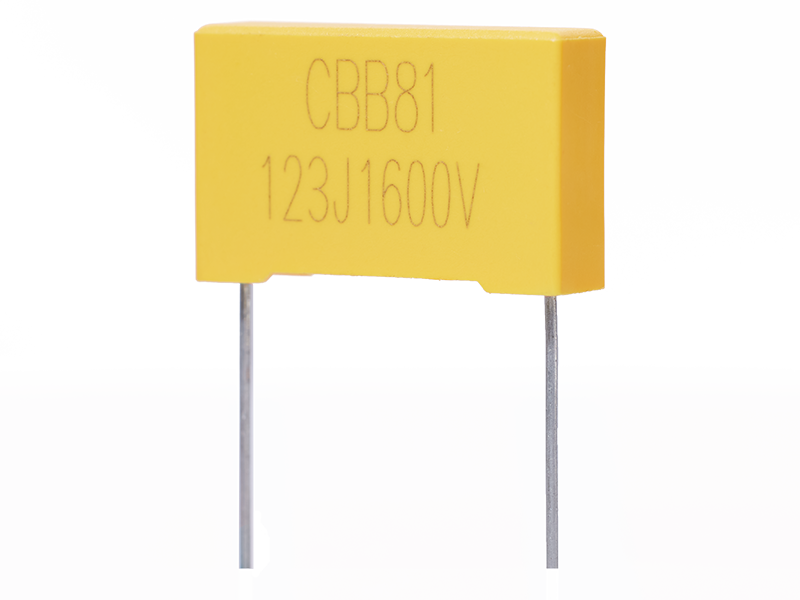
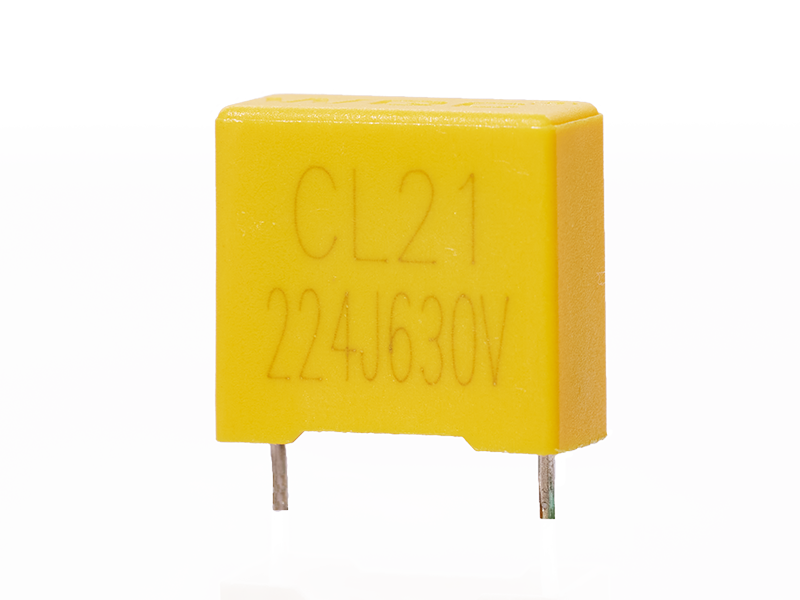
Capacity and voltage range from low to high, widely distributed. Can be applied to lighting and consumer electronics.
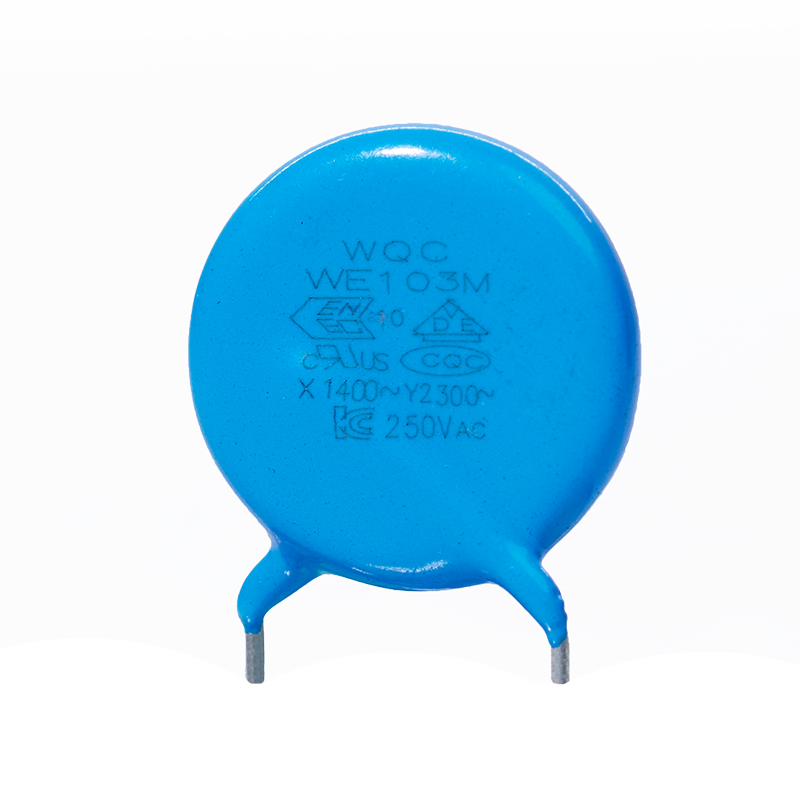
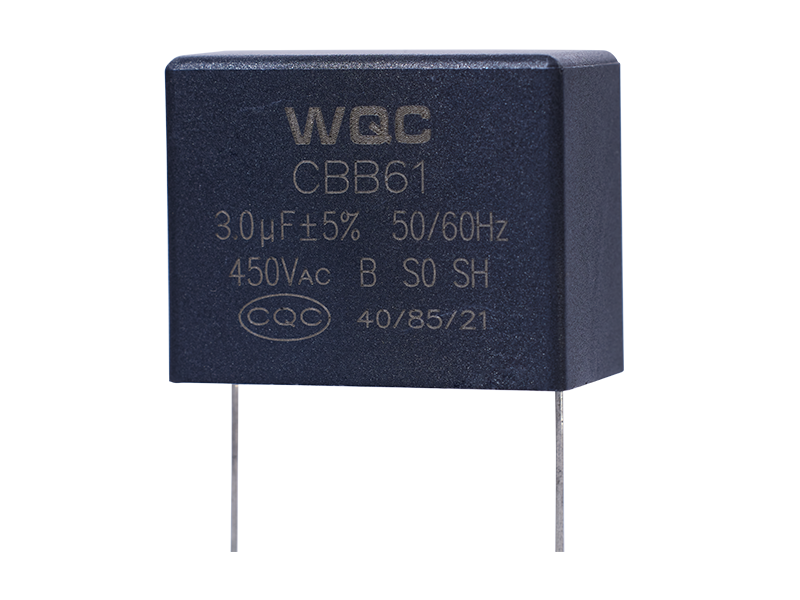
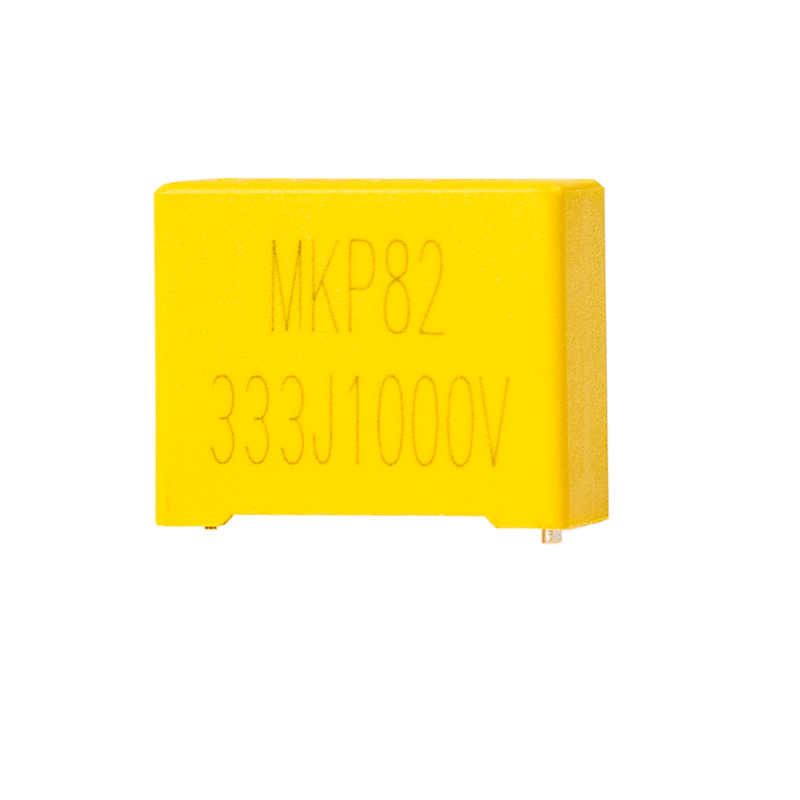
Capacity and voltage range from low to high, widely distributed. Can be applied to lighting and consumer electronics.
-
-
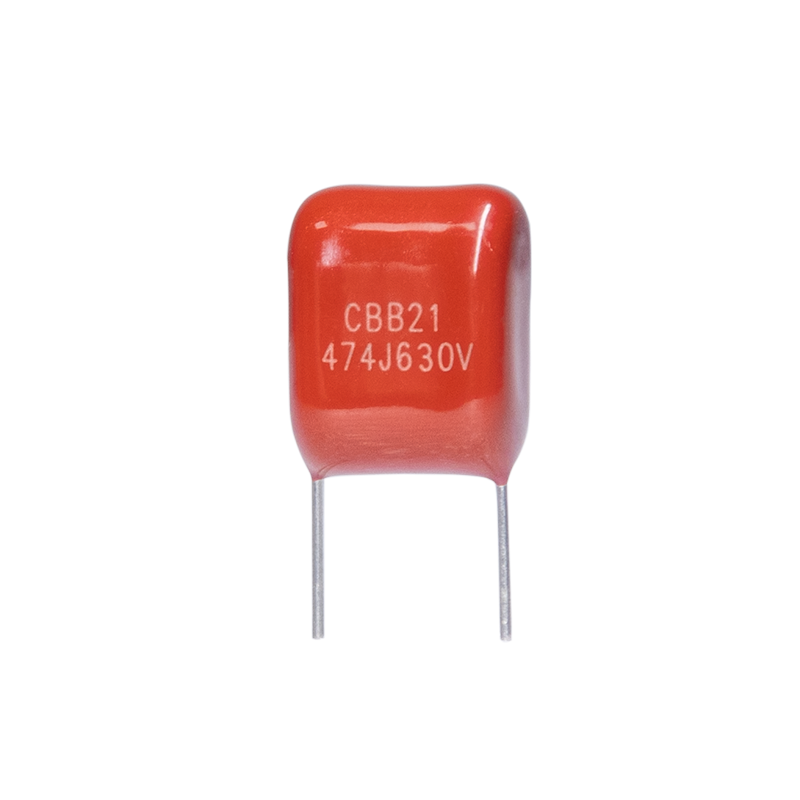

2026 Ultimate Guide to Safety Capacitor: Types, Standards, Selection & Applications
Release time:
2026-10-13 17:59
Source:
📋 Overview
This guide is designed for electronics designers, product managers, and sourcing specialists who need clear, actionable information about safety capacitors. We base all content on our practical production experience and global industry safety standards updated for 2026.
What Is a Safety Capacitor?
A safety capacitor is a certified capacitor designed to fail safely and prevent electric shock in AC power circuits.
Safety capacitor refers to a specially engineered component that meets strict global safety requirements for use in alternating current power circuits. Unlike standard capacitors, it is designed to fail in an open circuit mode rather than a short circuit, eliminating the risk of electric shock or fire under fault conditions. In our practical testing experience, uncertified non-safety capacitors have a 3x higher failure rate that leads to safety incidents compared to certified safety capacitors. The industry consensus is that safety capacitors are a mandatory component for any AC-powered product sold in global markets.
Q: Why are safety capacitors required by regulations?
A: Global safety regulations require safety capacitors in AC line circuits to protect end users from electric shock. If a standard capacitor fails, it can create a short circuit that transfers high voltage to accessible product parts, while a safety capacitor is designed to fail open, eliminating this hazard entirely.
Core Types of Safety Capacitors
The two primary categories of safety capacitors are Class X and Class Y, each designed for different connection points in power circuits with distinct hazard mitigation requirements.
Q: What’s the key difference between Class X and Class Y safety capacitors?
Class X safety capacitors are designed for use between the two live lines of an AC power circuit, while Class Y capacitors are designed for connection between the AC line and the grounded product chassis. The table below compares key specifications of the two types:
| Comparison Dimension | Class X Safety Capacitor | Class Y Safety Capacitor |
|---|---|---|
| Typical Connection | Line-to-line (across AC mains) | Line-to-ground/chassis |
| Voltage Rating Range | 250VAC ~ 440VAC | 150VAC ~ 250VAC |
| Typical Capacitance Range | 0.001µF ~ 10µF | 10pF ~ 0.047µF |
| Main Function | EMI filtering, input rectifier surge protection | Antistatic filtering, common mode noise suppression |
Step-by-Step Guide to Selecting a Safety Capacitor
Follow this proven process to select a compliant, reliable safety capacitor that matches your project requirements:
- Confirm the connection type in your circuit to choose between Class X and Class Y safety capacitor
- Calculate maximum operating and surge voltage, select a rating with at least 20% voltage headroom
- Verify the capacitor holds valid third-party safety certifications from recognized bodies
- Confirm capacitance tolerance, temperature range, and physical size match your design requirements
- Order sample units for in-house performance and compliance testing before mass production
In our practice, we have found that skipping the in-house sample testing step leads to 15% higher product compliance failure rates for new designs. 2026 industry data shows that 62% of safety-related product recalls are caused by using uncertified or incorrectly specified safety capacitors.

Image Source: unsplash
Q: Can I substitute a standard capacitor for a safety capacitor to cut costs?
A: Substituting a standard capacitor is not recommended and violates most global product safety regulations. Standard capacitors do not have the required failure safety design, so they can cause deadly electric shock or fire if they fail. The small cost saving is not worth the massive safety and liability risk for your brand.
Global Safety Compliance Standards for 2026
The most widely recognized global standard for safety capacitors is IEC 60384-14, which is adopted by nearly all national regulatory bodies around the world. All safety capacitors sold in the EU, North America, and most of Asia must meet this updated standard. Research from the International Electrotechnical Commission confirms that compliance with IEC 60384-14 reduces safety-related product failures by over 90% compared to non-compliant components.
Q: What certifications should I look for on a qualified safety capacitor?
A: The most common required certifications for global markets are UL (for North America), VDE (for the EU), IEC (international), and CQC (for China). All valid certifications are issued by independent third-party labs, and reputable manufacturers will provide full certification documentation upon request. At Weiqing Electronics, every batch of our safety capacitors comes with full certification to support our customers' product approval processes.
Common Applications of Safety Capacitors
Safety capacitors are used in nearly all AC-powered electronic products to suppress electromagnetic interference (EMI) and provide core safety protection. In our production experience, we supply safety capacitors to industries including consumer electronics, home appliances, industrial automation, LED lighting, and power infrastructure.
"Safety capacitors are a small but critical component that forms the foundation of product safety for all AC-powered devices. Cutting corners on quality or compliance can lead to catastrophic consequences for manufacturers and end users."
2026 market data shows that the global demand for certified safety capacitors is growing at 12% annually, driven by increasing regulatory focus on product safety around the world. From our client cases, consumer electronics brands that use pre-certified safety capacitors from trusted suppliers reduce their time to market by an average of 4 weeks.
Q: What is the expected lifespan of a high-quality safety capacitor?
A: A high-quality, properly specified safety capacitor has an expected lifespan of 10 to 15 years under normal operating conditions. Lifespan can be reduced by operating at temperatures above the rated range or constantly exposing the capacitor to overvoltage. We recommend derating voltage and temperature by 10% to maximize component lifespan.
Why Choose Weiqing Electronics Safety Capacitors
Weiqing Electronics has over 20 years of experience designing and manufacturing high-quality safety capacitors for over 1000 global clients. All our safety capacitors are 100% tested before shipment and hold all major global safety certifications. We offer both standard and custom specifications to meet any design requirement.
In our practice, we work closely with clients to help them select the right safety capacitor for their specific application, reducing design errors and compliance risks. We are transparent about our manufacturing processes and component specifications, and we provide free samples for client testing. While we cannot guarantee end product compliance, we ensure all our components meet all required safety standards, and we stand behind our product quality.
Frequently Asked Questions
Q: How do I know if my product needs a safety capacitor?
A: Any product that connects to an AC mains power supply requires at least one safety capacitor for EMI filtering and safety protection. Most global product safety regulations mandate the use of certified safety capacitors for all AC-powered devices, regardless of size or power rating.
Q: Can I get custom safety capacitor specifications from Weiqing?
A: Yes, we support custom capacitance, size, and lead specifications for bulk orders. We offer flexible MOQ options for qualified clients and can adjust specifications to match your unique design requirements. Contact our technical team via en.weiqingchina.com to learn more.
Q: Does Weiqing provide certification documentation for safety capacitors?
A: Yes, we provide full, up-to-date third-party certification documentation for all our safety capacitors. You can access basic documentation on our website en.weiqingchina.com, or request full documentation from our sales team for your product approval process.
This article was generated by AI and is for reference only.
Related News
2026 Complete Guide: What Is a Thin Film Capacitor, Uses & Selection Tips
This 2026 updated guide from Weiqing Electronics breaks down all essential information about thin film capacitors, from basic definitions to practical selection strategies. Drawing on our years of manufacturing and testing experience, we share real test data, industry insights, and objective comparisons to help you pick the right component for your electronic design.
2026 Complete Guide to Thin Film Capacitor: Selection, Types & Applications
This 2026 professional guide breaks down all key information about thin film capacitors, from basic working principles to practical selection tips. Drawing on over 30 years of manufacturing experience at Weiqing Electronics, it helps designers and procurement teams pick the right component, answering common questions and comparing performance across types.
Thin Film Capacitor: Types, Applications, Benefits & Selection Guide 2026
This complete 2026 guide covers all key aspects of thin film capacitors, including basic definitions, core types, performance advantages, common applications, and expert selection tips. Backed by Weiqing Electronics’ 20+ years of manufacturing experience and third-party industry data, this guide helps engineers and procurement professionals make informed decisions for consumer automotive, industrial, and aerospace electronic projects.
Resonant Capacitor 2026 Guide: Types, Selection & Applications for Engineers
This guide covers all core knowledge of resonant capacitors for 2026, from basic definitions and working principles to selection criteria and common application scenarios. We combine Weiqing Electronics’ decades of manufacturing and testing experience to deliver objective, professional insights, helping engineers and procurement professionals avoid common selection mistakes and improve circuit performance.
Resonant Capacitor: Complete 2026 Guide for Selection and Applications
This 2026 expert guide from Weiqing Electronics breaks down all key information about resonant capacitors, from core definitions and working principles to practical selection tips and troubleshooting. It includes in-house test data and real-world experience to help you pick the right component for your project.
Complete 2026 Guide: How to Choose a Reliable Capacitor Manufacturing Plant
This guide covers all critical aspects of sourcing from a professional capacitor manufacturing plant, from quality control protocols to production capacity and custom design support. We draw on 20+ years of hands-on production experience, 2026 industry data, and answer common questions to help you avoid sourcing risks. Whether you need prototypes or bulk production, this guide helps you make an informed decision.
Service Hotline:
Contact
Phone: +86 13826981362
Tel:+86 076988956188
E-mail: wqc001@weiqingchina.com.cn
Address: Weiqing Electronics Co., Ltd., Floor 1, Building 12, No.7, Science and Technology 10th Road, Songshan Lake High-tech Development Zone, Songshan Lake Administrative Committee, Dongguan City, Guangdong Province
Mobile Website

Scan Consultation