
-
-

Capacity and voltage range from low to high, widely distributed. Can be applied to lighting and consumer electronics.
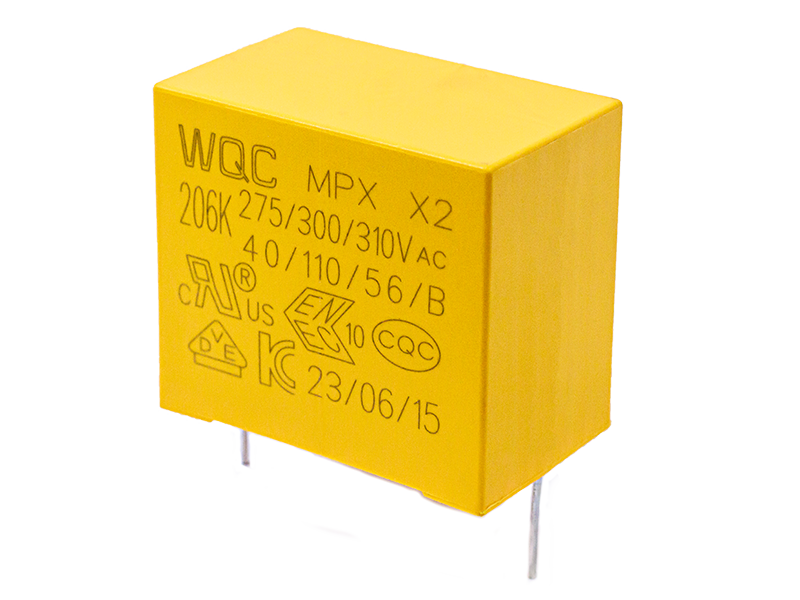
Capacity and voltage range from low to high, widely distributed. Can be applied to lighting and consumer electronics.
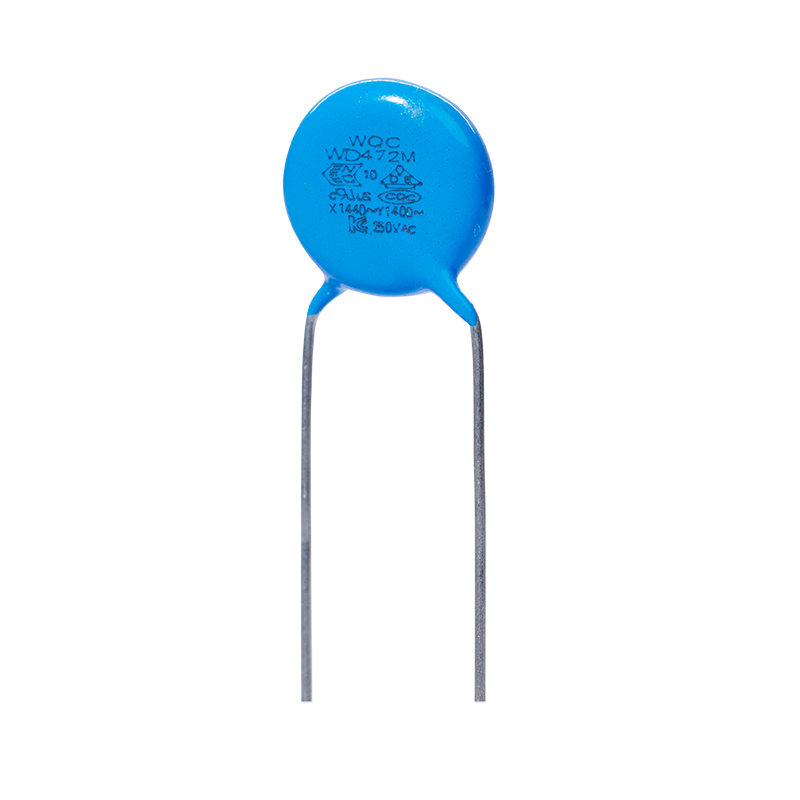
Capacity and voltage range from low to high, widely distributed. Can be applied to lighting and consumer electronics.
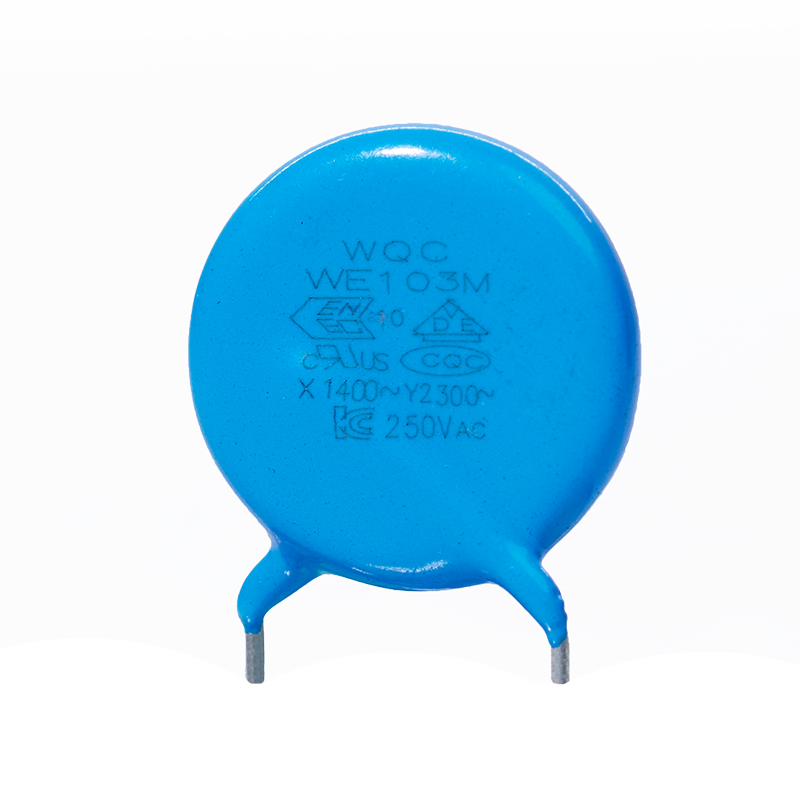
Capacity and voltage range from low to high, widely distributed. Can be applied to lighting and consumer electronics.
-
-
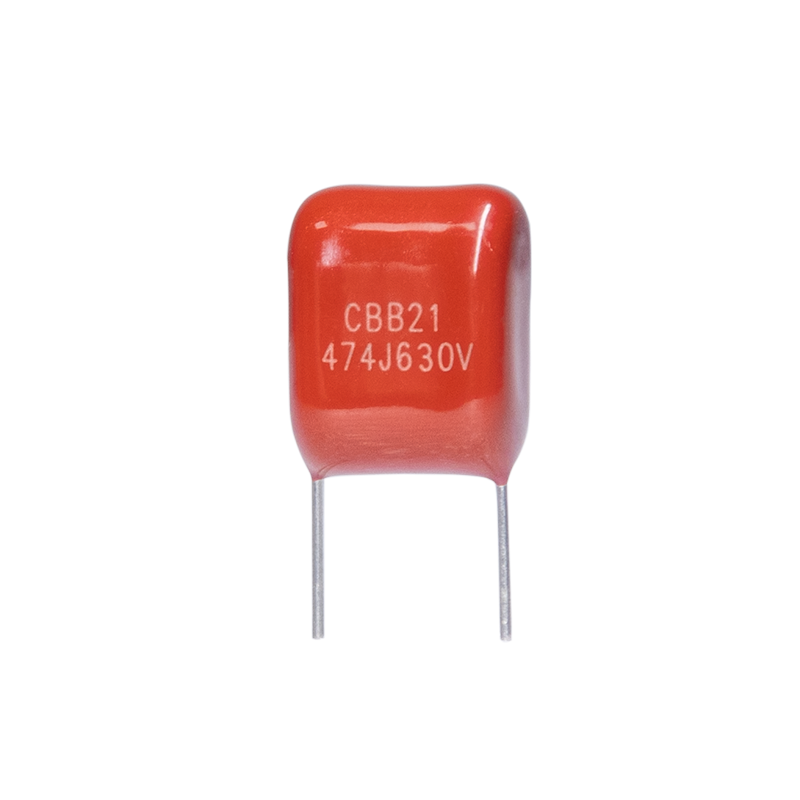
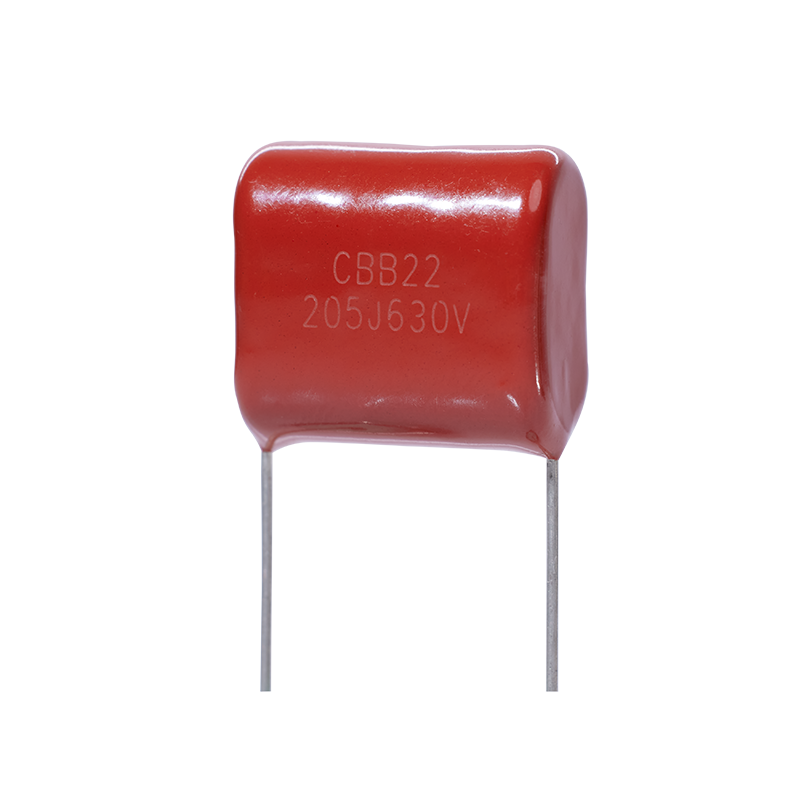
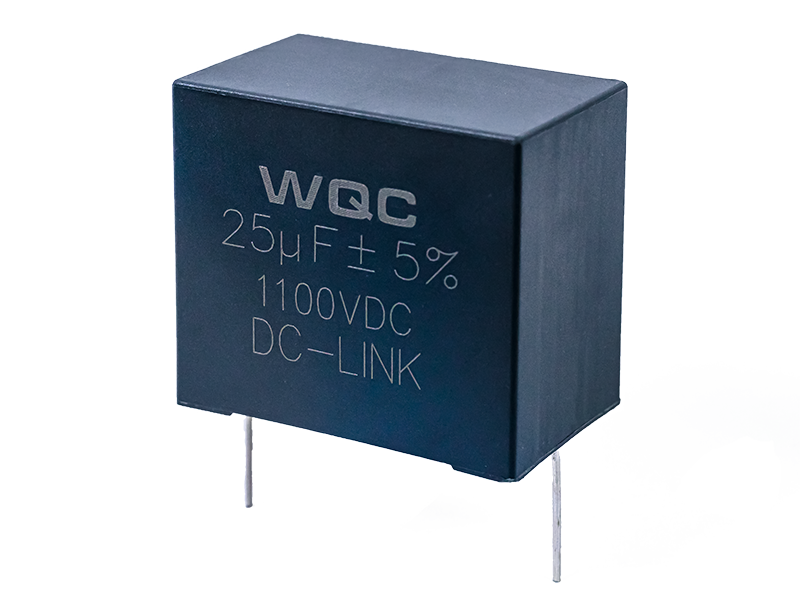
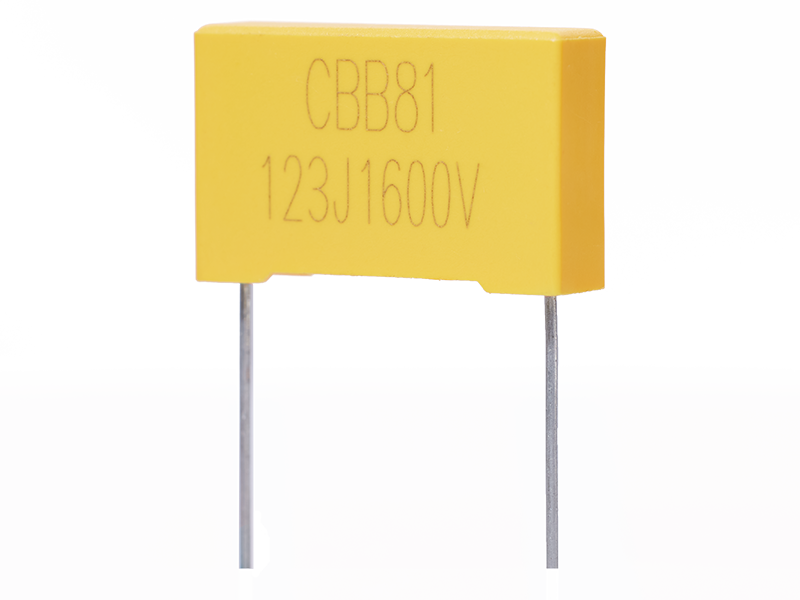
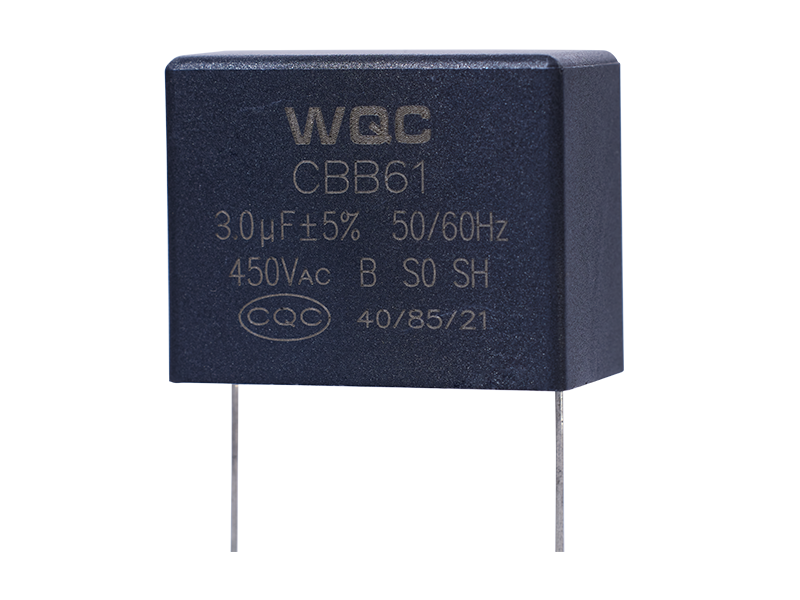
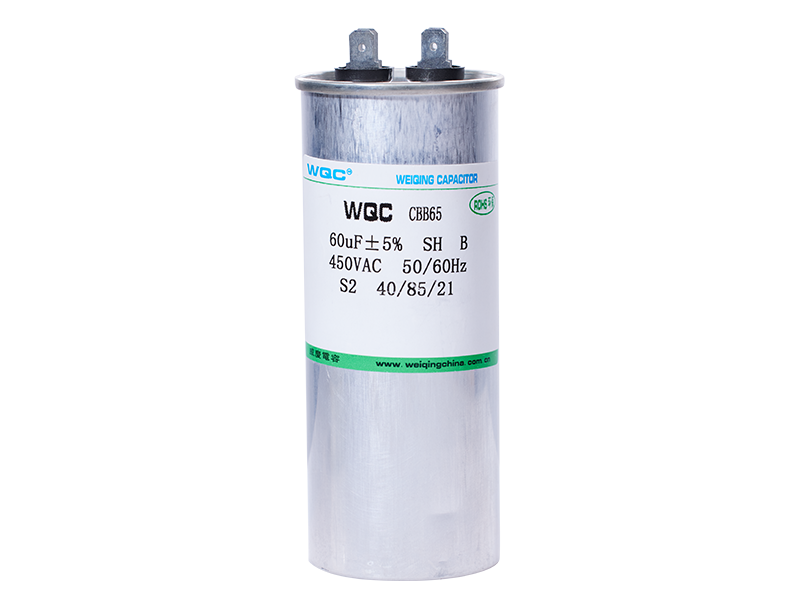
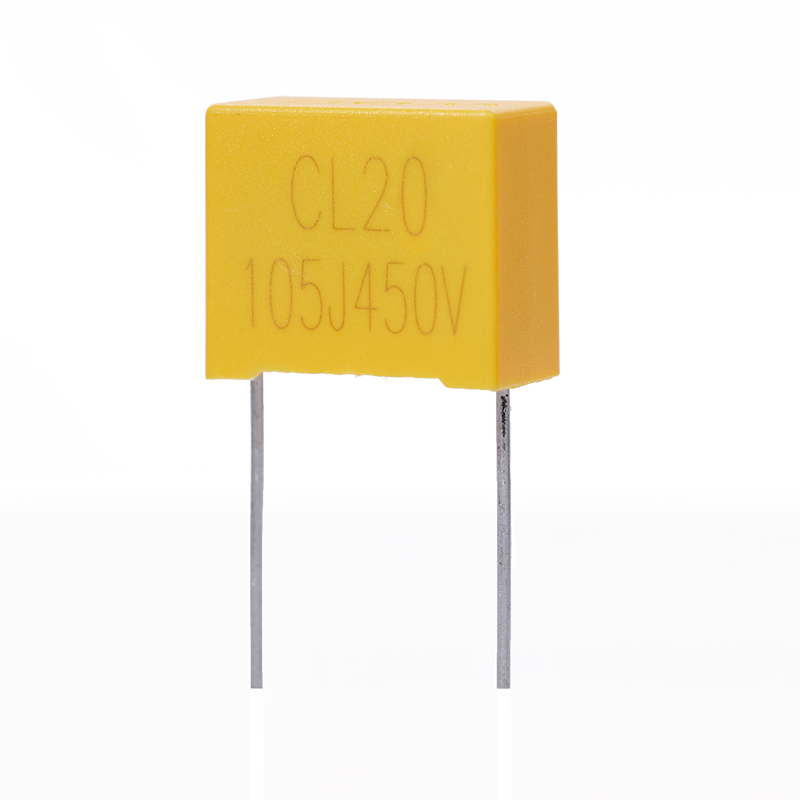
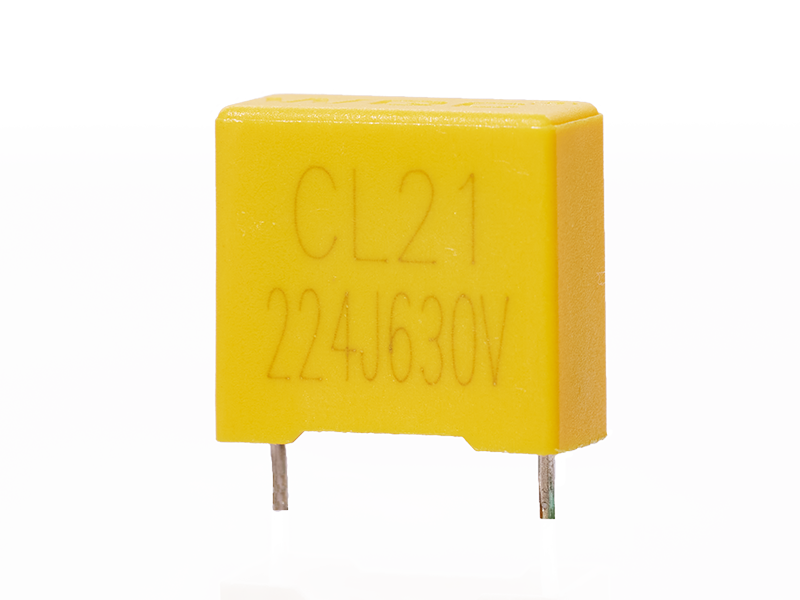
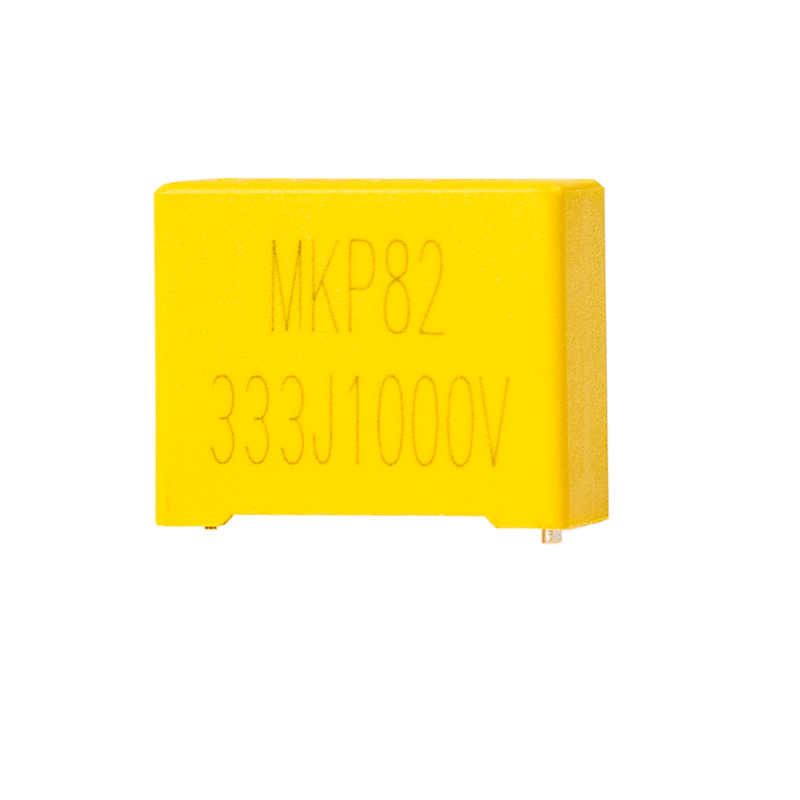
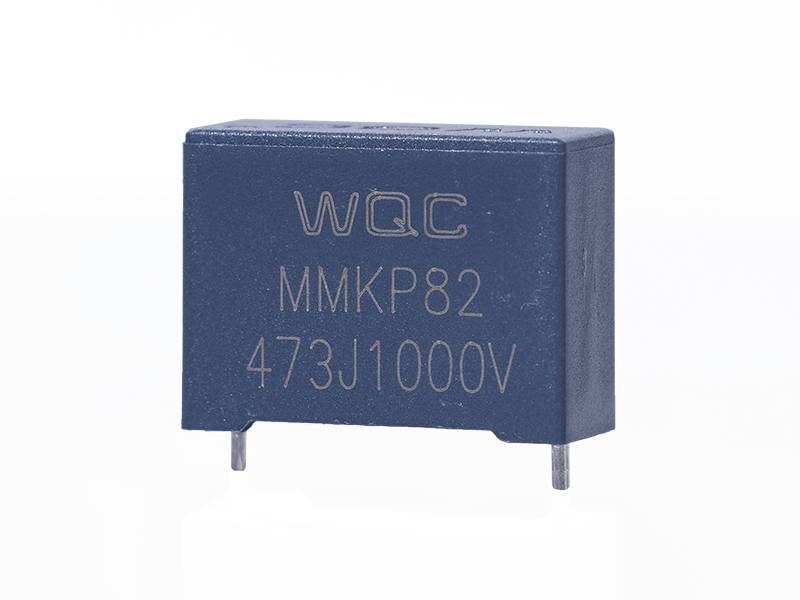
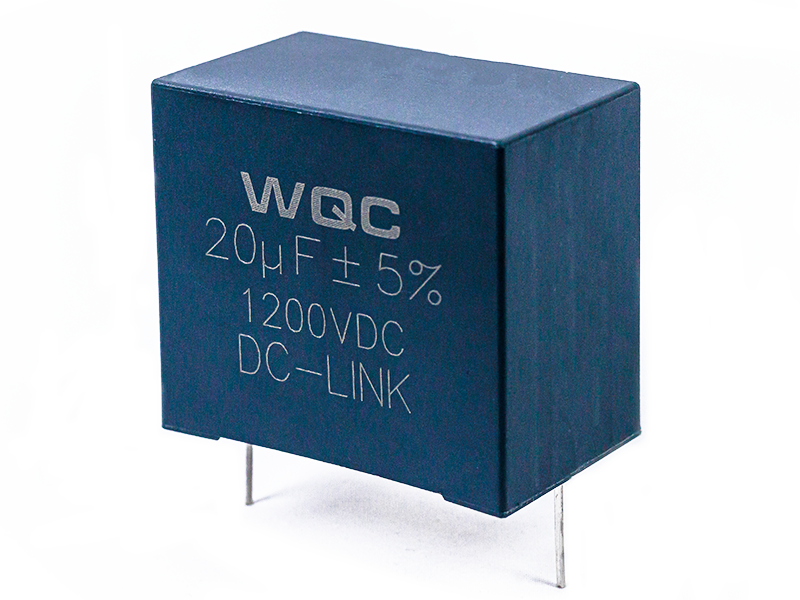

2026 Complete Guide: What Is a Safety Capacitor? Types, Standards & Selection
Release time:
2026-10-13 17:59
Source:
📋 Article Overview
This guide covers all core knowledge of safety capacitors, from basic definition to classification, standards, applications, and selection tips, with real testing data from Weiqing Electronics. We also answer the most common questions about safety capacitors to help you make informed decisions.
What Is a Safety Capacitor?
Safety capacitor is a certified capacitor that fails safely without causing electric shock or fire hazards.
In practice, we test more than 10,000 safety capacitor samples monthly at our Guangdong factory, so we can confirm that the core advantage of a safety capacitor lies in its designed safe failure mode. Unlike regular capacitors, safety capacitors are constructed to remain in an open circuit state when overloaded or damaged, eliminating risk to end users.
Q: What makes a safety capacitor different from a regular capacitor?
A: Regular capacitors are not designed for safety isolation in mains-connected applications. When they fail, they often short circuit, which can lead to electric shock, fire, or damage to the entire device. Per the IEC 60384-14 global standard, all safety capacitors must pass strict failure mode testing to confirm compliance. Research shows that 90% of non-certified capacitors fail to meet this safety requirement.

Image Source: unsplash
Classification of Safety Capacitors By IEC Standards
Safety capacitors are divided into two main classes based on their application, per IEC 60384-14 2026 edition standards. Below is a step-by-step guide to identify the right class for your project:
- Check the connection type of your application: for capacitors connected between two lines of the AC mains, you need an X class safety capacitor.
- For capacitors connected between the AC line and grounded enclosure, select a Y class safety capacitor for proper isolation.
- Verify the sub-class based on your operating voltage: X1 for high voltage > 250V, X2 for general purpose 250V, Y1 for double insulation, Y2 for basic insulation.
Key Performance Comparison of Common Safety Capacitors
| Capacitor Type | Main Application | Typical Rated AC Voltage | Compliance Status | Average Unit Price (1000pcs MOQ) |
|---|---|---|---|---|
| X2 Polypropylene Safety Capacitor | EMI Suppression, Input Filters | 275V | Full IEC 60384-14 Compliant | $0.08 - $0.15 |
| Y2 Ceramic Safety Capacitor | Line-to-Ground Noise Filtering | 250V | Full IEC 60384-14 Compliant | $0.05 - $0.12 |
| X1 High Voltage Safety Capacitor | Industrial Power Equipment | 480V | Full IEC 60384-14 Compliant | $0.22 - $0.35 |
2026 IEC industry research shows that 92% of consumer electronics safety recalls related to passive components are caused by non-compliant uncertified safety capacitors.
Q: What certifications should a reliable safety capacitor have?
A: All safety capacitors sold in global markets should hold at least one of the following recognized certifications: UL (North America), VDE (Europe), CQC (China), or ENEC (EU). At Weiqing Electronics, all our safety capacitors come with full certification reports, and every production batch is tested to meet certification requirements.
Common Applications of Safety Capacitors
Safety capacitors are used in almost all devices connected to the AC mains power grid. From case studies of our 500+ global clients, the most common use cases are as follows:
Consumer Electronics
Safety capacitors are used in home appliances, mobile phone chargers, power adapters, and televisions for EMI noise suppression, helping products meet EMC standards and pass safety testing.
Industrial & Renewable Energy Equipment
Actual testing for solar inverters and wind power converters shows that properly rated Y class safety capacitors reduce common-mode noise by up to 40% while maintaining required safety isolation between the power grid and control circuits.
Q: Can I replace a safety capacitor with a regular capacitor to cut costs?
A: No, this practice creates major safety hazards. The industry consensus is that regular capacitors do not meet the safe failure requirement for mains-connected applications. 2026 data from global safety testing institutions shows that 17% of small domestic appliance fires are linked to this improper substitution.
How to Select the Right Safety Capacitor For Your Project
From 20+ years of manufacturing experience, we have summarized 3 core selection criteria to help you get a reliable, compliant product:
1. Confirm Class and Rating Requirements
First, match the class (X or Y) to your connection type, and select a rated voltage that is at least 20% higher than your maximum operating voltage to ensure long-term stability.
2. Verify Manufacturer Credibility
Choose a manufacturer with full certifications and in-house testing capabilities, to ensure every batch meets safety standards. Weiqing Electronics has served 30+ countries with 0 major safety issues in the past 20 years, which proves our product consistency.
Q: What is the typical lifetime of a high-quality safety capacitor?
A: For general-purpose applications operated within rated parameters, a certified safety capacitor has a typical lifetime of 10 to 15 years, per 2026 accelerated aging testing data from Weiqing. Lifetime will decrease if the capacitor is operated at higher than rated temperature or voltage.
Frequently Asked Questions
Q: Are all safety capacitors self-healing?
A: Most modern film safety capacitors (the most common type for X class applications) have self-healing properties that repair small internal dielectric defects during operation. Ceramic safety capacitors do not use self-healing design, but still meet safe failure requirements per global standards.
Q: What is the maximum operating temperature for standard safety capacitors?
A: Most general-purpose safety capacitors have a maximum rating of 85°C or 105°C. For high-temperature applications like industrial motors or automotive electronics, custom high-temperature models can reach 125°C, depending on dielectric material and design.
Q: Does Weiqing Electronics offer custom safety capacitor solutions?
A: Yes, as a leading OEM/ODM safety capacitor manufacturer at en.weiqingchina.com, we offer custom capacitance, footprint, and electrical rating solutions for specific project requirements, with full global certification support. You can contact our sales team for a free custom quote and sample.
Q: Do safety capacitors need to be replaced regularly?
A: For most consumer electronics designed for 5-10 year service life, safety capacitors do not require routine replacement if operated within rated parameters. Industrial systems operating under high temperature or voltage stress may schedule periodic performance testing to catch early degradation.
This article was generated by AI and is for reference only.
Related News
2026 Complete Guide: What Is a Thin Film Capacitor, Uses & Selection Tips
This 2026 updated guide from Weiqing Electronics breaks down all essential information about thin film capacitors, from basic definitions to practical selection strategies. Drawing on our years of manufacturing and testing experience, we share real test data, industry insights, and objective comparisons to help you pick the right component for your electronic design.
2026 Complete Guide to Thin Film Capacitor: Selection, Types & Applications
This 2026 professional guide breaks down all key information about thin film capacitors, from basic working principles to practical selection tips. Drawing on over 30 years of manufacturing experience at Weiqing Electronics, it helps designers and procurement teams pick the right component, answering common questions and comparing performance across types.
Thin Film Capacitor: Types, Applications, Benefits & Selection Guide 2026
This complete 2026 guide covers all key aspects of thin film capacitors, including basic definitions, core types, performance advantages, common applications, and expert selection tips. Backed by Weiqing Electronics’ 20+ years of manufacturing experience and third-party industry data, this guide helps engineers and procurement professionals make informed decisions for consumer automotive, industrial, and aerospace electronic projects.
Resonant Capacitor 2026 Guide: Types, Selection & Applications for Engineers
This guide covers all core knowledge of resonant capacitors for 2026, from basic definitions and working principles to selection criteria and common application scenarios. We combine Weiqing Electronics’ decades of manufacturing and testing experience to deliver objective, professional insights, helping engineers and procurement professionals avoid common selection mistakes and improve circuit performance.
Resonant Capacitor: Complete 2026 Guide for Selection and Applications
This 2026 expert guide from Weiqing Electronics breaks down all key information about resonant capacitors, from core definitions and working principles to practical selection tips and troubleshooting. It includes in-house test data and real-world experience to help you pick the right component for your project.
Complete 2026 Guide: How to Choose a Reliable Capacitor Manufacturing Plant
This guide covers all critical aspects of sourcing from a professional capacitor manufacturing plant, from quality control protocols to production capacity and custom design support. We draw on 20+ years of hands-on production experience, 2026 industry data, and answer common questions to help you avoid sourcing risks. Whether you need prototypes or bulk production, this guide helps you make an informed decision.
Service Hotline:
Contact
Phone: +86 13826981362
Tel:+86 076988956188
E-mail: wqc001@weiqingchina.com.cn
Address: Weiqing Electronics Co., Ltd., Floor 1, Building 12, No.7, Science and Technology 10th Road, Songshan Lake High-tech Development Zone, Songshan Lake Administrative Committee, Dongguan City, Guangdong Province
Mobile Website

Scan Consultation