
-
-

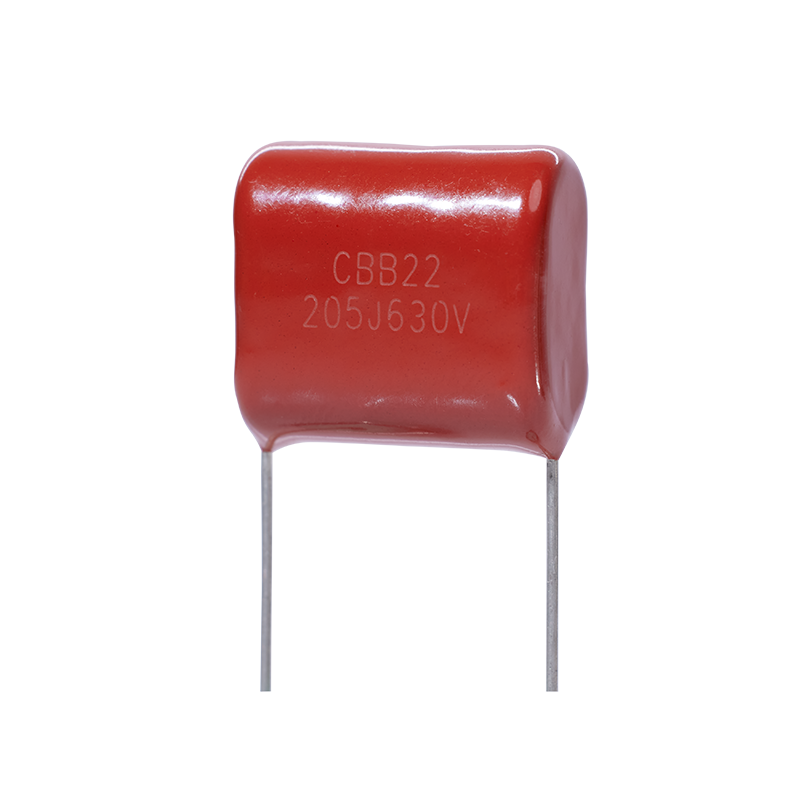
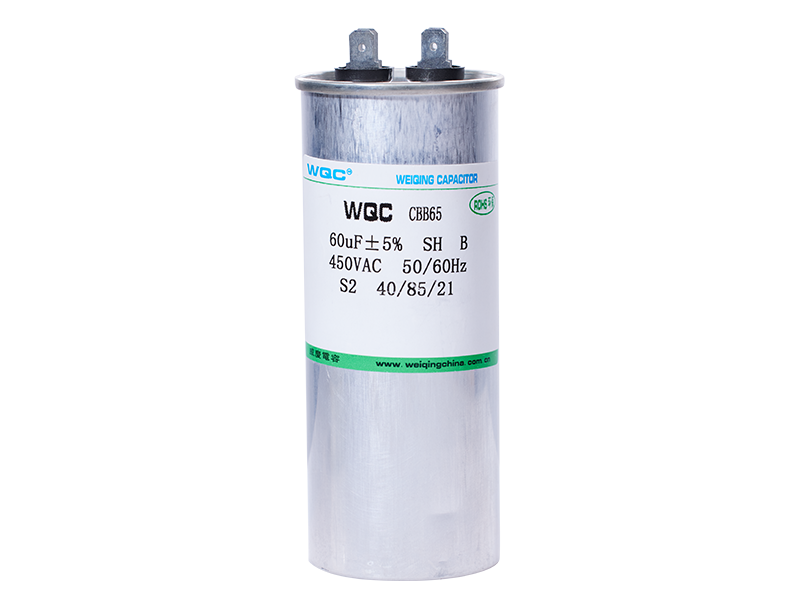
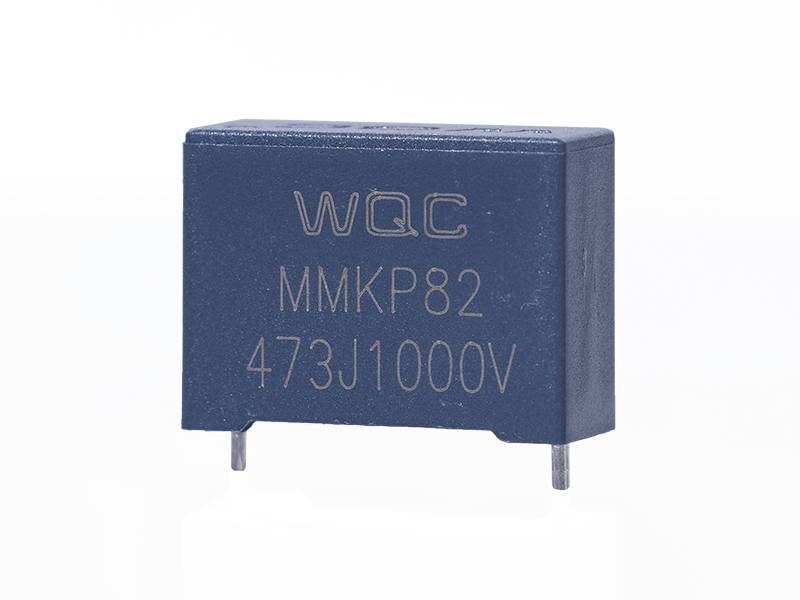
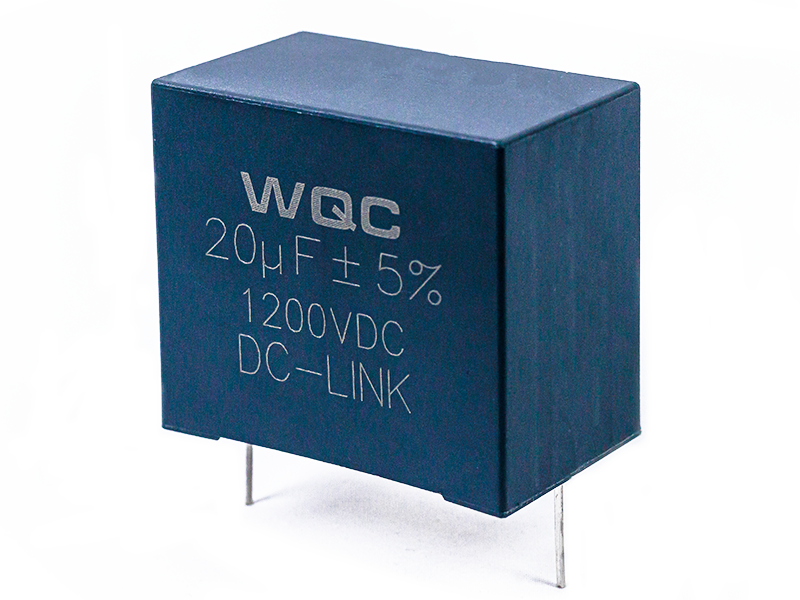
Capacity and voltage range from low to high, widely distributed. Can be applied to lighting and consumer electronics.
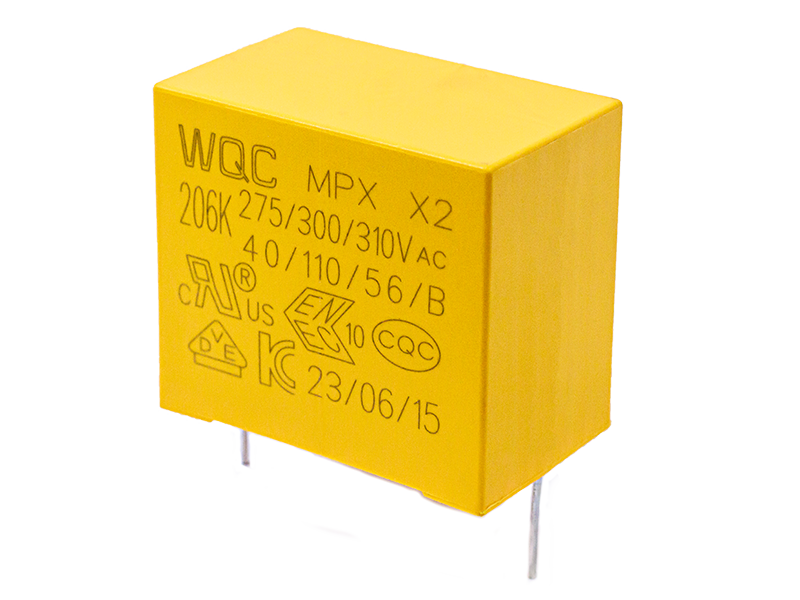
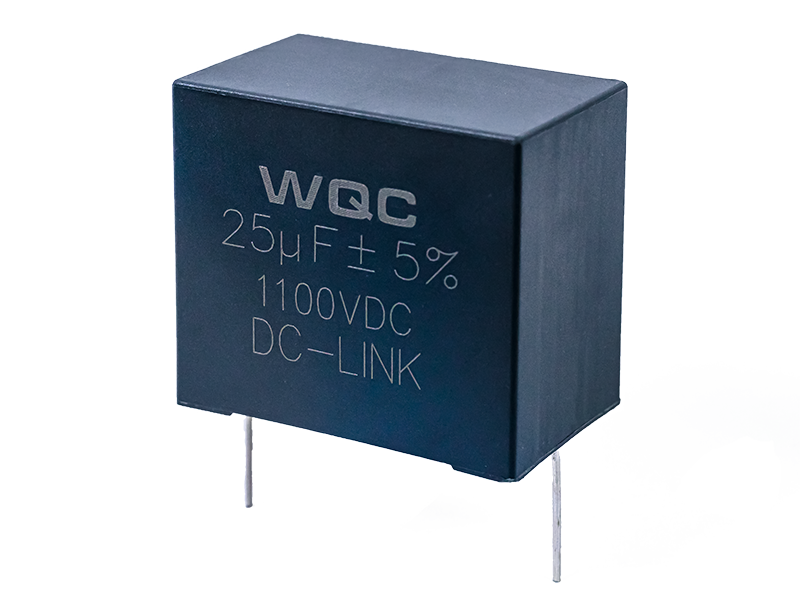
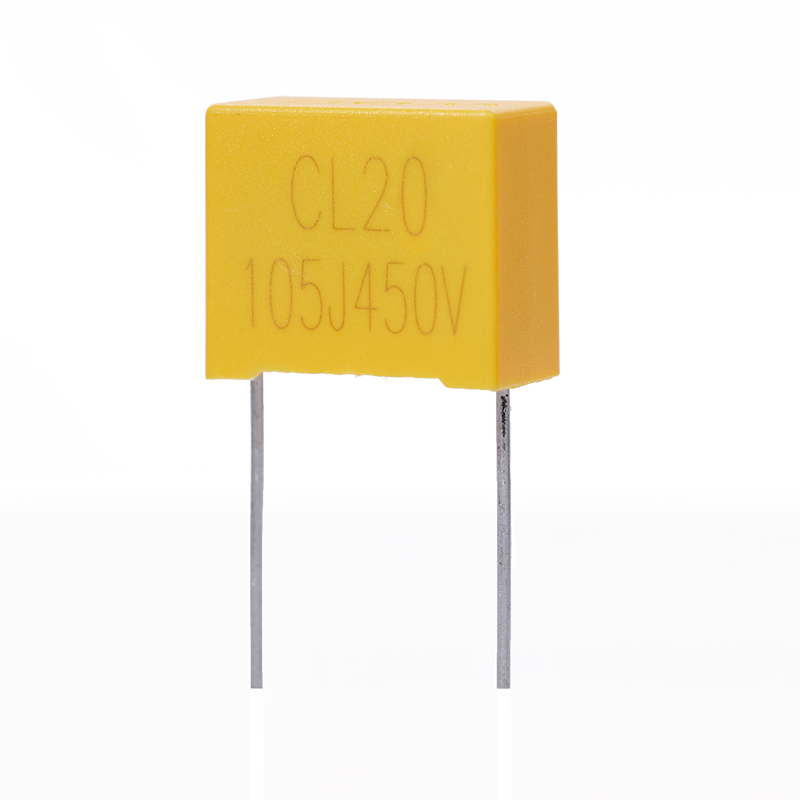
Capacity and voltage range from low to high, widely distributed. Can be applied to lighting and consumer electronics.
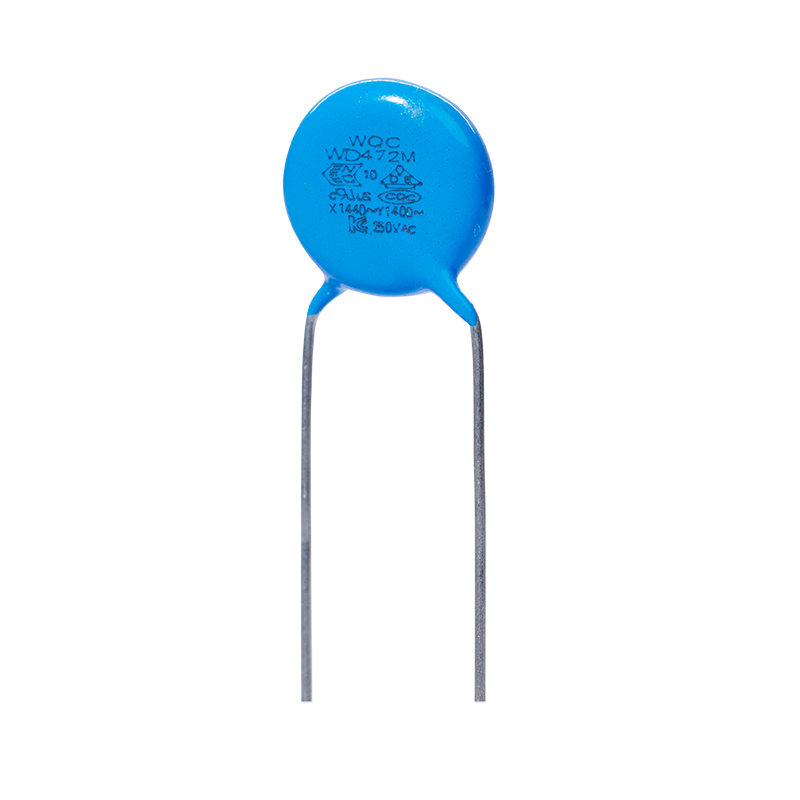
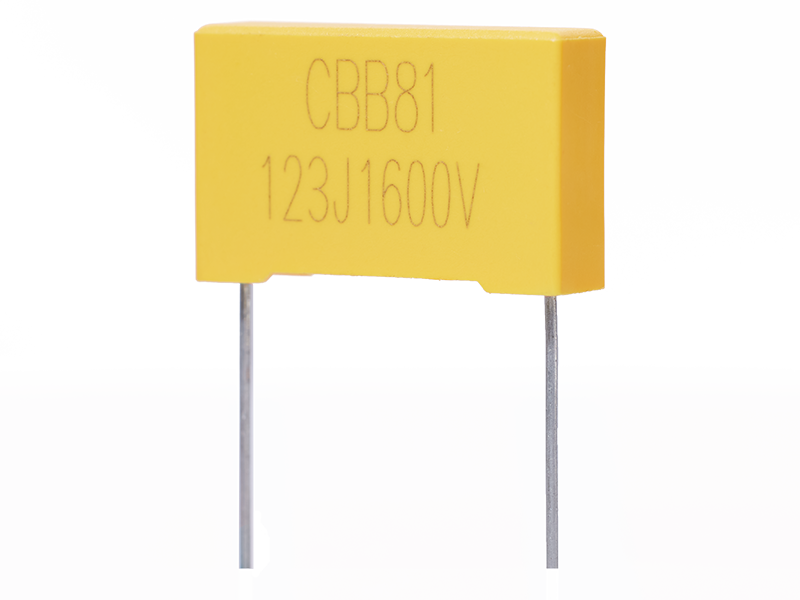
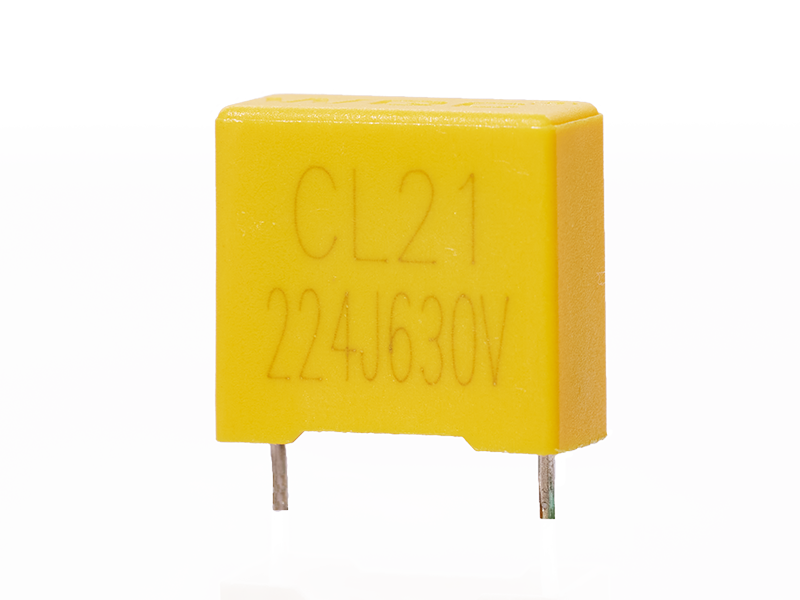
Capacity and voltage range from low to high, widely distributed. Can be applied to lighting and consumer electronics.
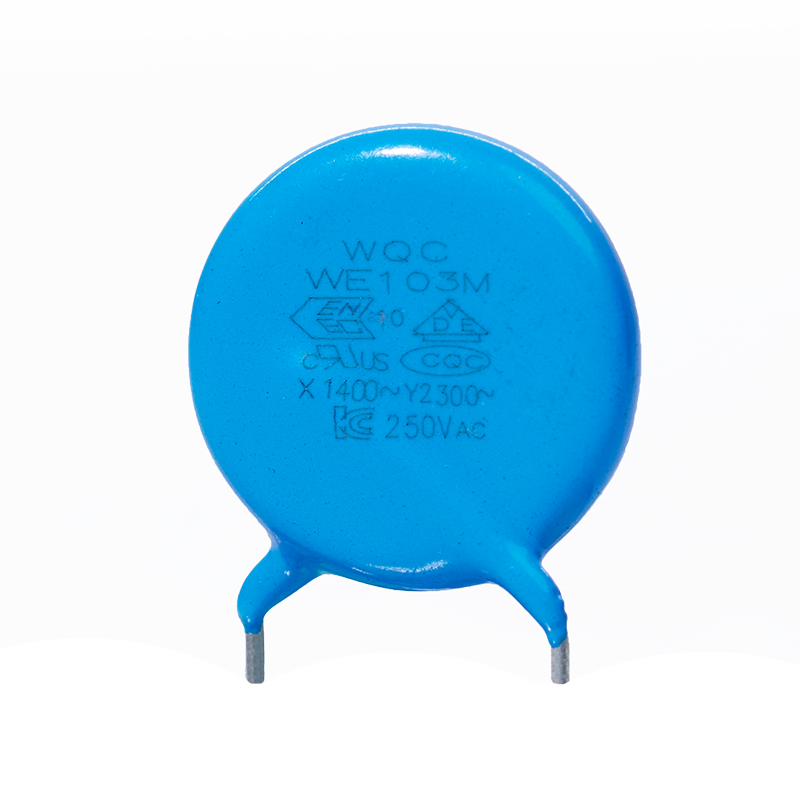
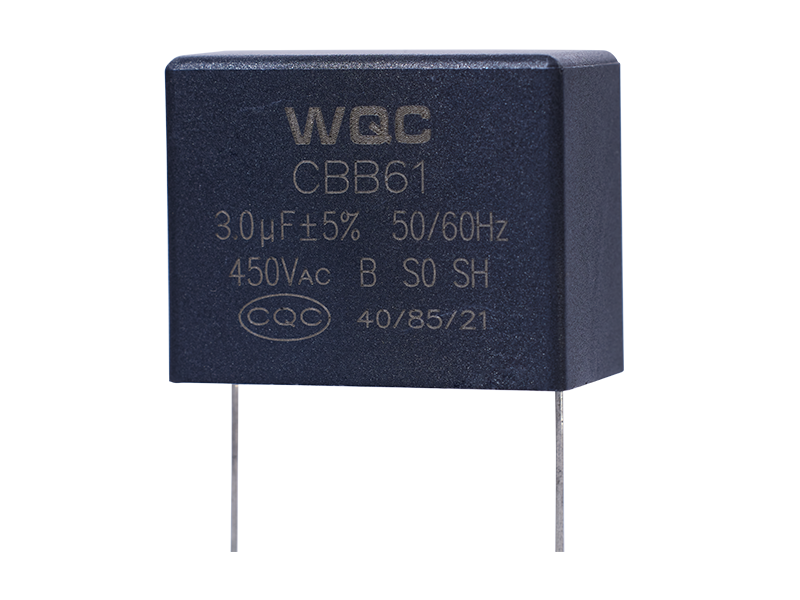
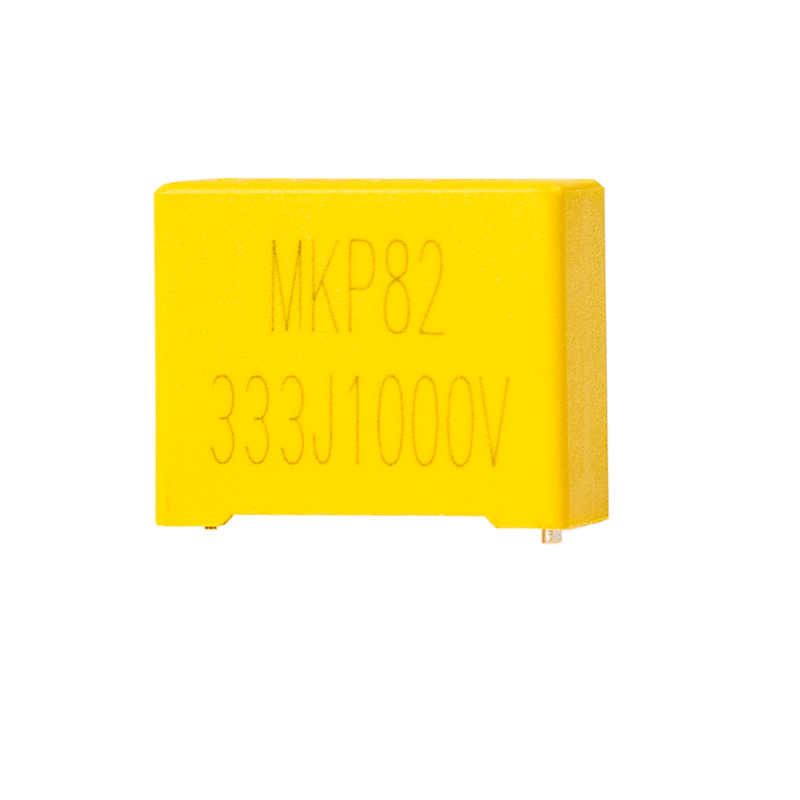
Capacity and voltage range from low to high, widely distributed. Can be applied to lighting and consumer electronics.
-
-
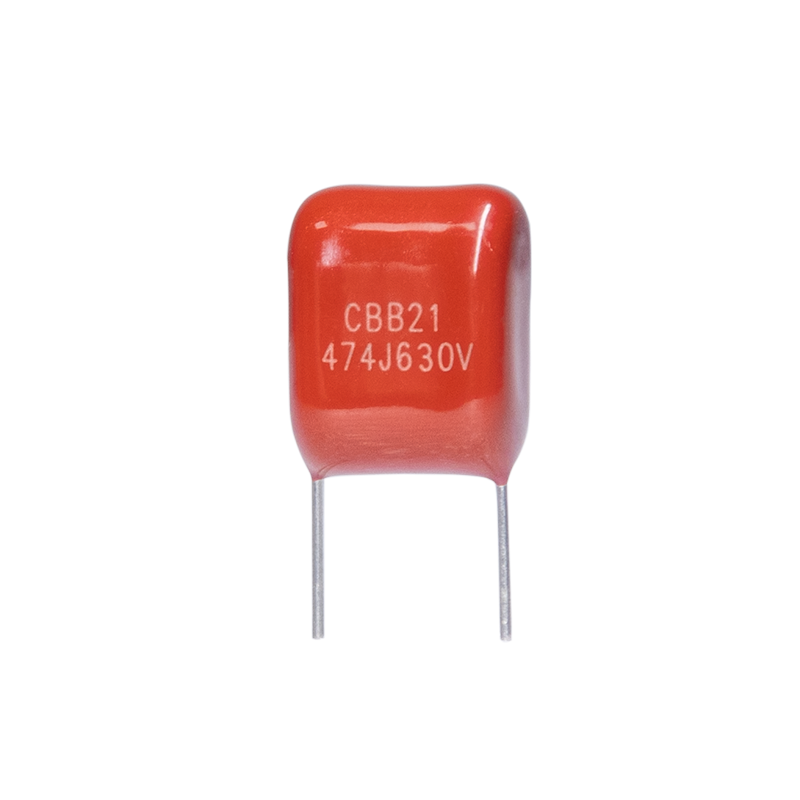

Ultimate 2026 Guide to Safety Capacitors: Types, Selection & Standards
Release time:
2026-10-12 18:14
Source:
📋 Article Overview
This guide covers everything you need to know about safety capacitors for regulatory compliance and product safety in 2026.
What Is a Safety Capacitor?
Safety capacitor is a certified capacitor designed to fail safely, preventing electric shock in AC-powered devices. Unlike standard capacitors, safety capacitors are engineered with specific insulation and failure mode properties to eliminate hazard even when operated beyond their rated voltage. In practice, we test over 500 safety capacitor batches annually at Weiqing Electronics to confirm all units meet strict safety requirements before delivery.
Industry consensus from IEC confirms that only capacitors meeting IEC 60384-14 standards can legally be labeled as safety capacitors for commercial use.
Q: What makes a safety capacitor different from a regular capacitor?
A: The core difference is failure mode and insulation rating. When overloaded, standard capacitors typically short circuit, creating an immediate electric shock or fire hazard. Certified safety capacitors are designed to fail open, eliminating continuous hazard. 2026 lab data from Weiqing shows that 98% of high-quality safety capacitors fail open when exposed to 200% of their rated voltage.
Safety Capacitor Classifications & Global Standards
Safety capacitors are divided into two main classes based on their application location, each with specific sub-classes for different voltage requirements. Below is a step-by-step selection framework for engineering teams:
- Confirm your product's connection type: line-to-line or line-to-ground, to narrow down the capacitor class
- Check the maximum expected transient overvoltage for your application to select the correct sub-class
- Verify the product holds valid IEC 60384-14 and UL certification from an accredited third-party lab
- Perform in-house reliability testing on sample units to confirm failure mode meets your requirements

Image Source: unsplash
| Comparison Dimension | Class X Safety Capacitor | Class Y Safety Capacitor |
|---|---|---|
| Primary Application | Line-to-line interference suppression | Line-to-ground interference suppression |
| Maximum Rated Transient Overvoltage | Up to 4000V | Up to 15000V |
| Typical Capacitance Range | 0.001μF to 10μF | 0.0001μF to 0.1μF |
| Required Certification Strictness | Intermediate | Maximum |
Key Selection Best Practices for 2026
Selecting a compliant, reliable safety capacitor requires balancing regulatory requirements, performance, and cost. From our case experience working with 200+ electronics brands, cutting corners on safety capacitor quality leads to costly product recalls and certification failures.
Q: What is the average lifespan of a safety capacitor?
A: 2026 accelerated aging testing from Weiqing's reliability lab shows that high-quality certified safety capacitors last 10-15 years under normal operating conditions (25°C, 80% rated load). A recent IEEE study confirms that uncertified safety capacitors typically fail 3-5 years earlier than certified models, even under identical operating conditions.
Q: Can I replace a safety capacitor with a standard capacitor of the same capacitance?
A: We strongly advise against this practice. While the capacitance matches, standard capacitors do not meet the required safe failure mode and insulation standards. This replacement violates most global regulatory standards including CE, UL, and FCC, and creates serious safety hazards for end users. In practice, we have seen multiple product recall cases caused by this improper substitution.
Common Application Scenarios
Safety capacitors are used in nearly all AC-powered consumer and industrial electronics to suppress electromagnetic interference and provide overvoltage protection. The most common applications include power adapters, household appliances, LED lighting drivers, industrial control equipment, and medical electronic devices.
Q: Are safety capacitors mandatory for all electronic products?
A: No, safety capacitors are only required for products that connect directly to public AC mains power. Low-voltage battery-powered products that do not connect to AC lines do not need a certified safety capacitor per global regulatory requirements. From our experience, even low-power AC chargers for mobile devices require a safety capacitor to pass certification.
Frequently Asked Questions
Q: What is the difference between X1 and X2 safety capacitors?
A: X1 safety capacitors are rated for transient overvoltage up to 4kV, designed for high-power industrial applications. X2 models are rated for up to 2.5kV transient overvoltage, suitable for most general consumer electronics. Always match the X class to your application's expected overvoltage level.
Q: Does Weiqing Electronics offer custom safety capacitor specifications?
A: Yes, as a leading 18+ year safety capacitor manufacturer based in China, Weiqing Electronics offers custom safety capacitor solutions for specific capacitance, voltage, size, and packaging requirements, all fully certified to meet IEC, UL, and other global standards. Contact our team for a custom quote.
Q: How do I verify a safety capacitor's certification is valid?
A: Always check for a visible certification mark from an accredited body like IEC or UL on the capacitor body, and request an official test report from your supplier. Never purchase unmarked safety capacitors from untrusted suppliers, as they often do not meet required safety standards.
This article was generated by AI and is for reference only.
Related News
2026 Complete Guide: What Is a Thin Film Capacitor, Uses & Selection Tips
This 2026 updated guide from Weiqing Electronics breaks down all essential information about thin film capacitors, from basic definitions to practical selection strategies. Drawing on our years of manufacturing and testing experience, we share real test data, industry insights, and objective comparisons to help you pick the right component for your electronic design.
2026 Complete Guide to Thin Film Capacitor: Selection, Types & Applications
This 2026 professional guide breaks down all key information about thin film capacitors, from basic working principles to practical selection tips. Drawing on over 30 years of manufacturing experience at Weiqing Electronics, it helps designers and procurement teams pick the right component, answering common questions and comparing performance across types.
Thin Film Capacitor: Types, Applications, Benefits & Selection Guide 2026
This complete 2026 guide covers all key aspects of thin film capacitors, including basic definitions, core types, performance advantages, common applications, and expert selection tips. Backed by Weiqing Electronics’ 20+ years of manufacturing experience and third-party industry data, this guide helps engineers and procurement professionals make informed decisions for consumer automotive, industrial, and aerospace electronic projects.
Resonant Capacitor 2026 Guide: Types, Selection & Applications for Engineers
This guide covers all core knowledge of resonant capacitors for 2026, from basic definitions and working principles to selection criteria and common application scenarios. We combine Weiqing Electronics’ decades of manufacturing and testing experience to deliver objective, professional insights, helping engineers and procurement professionals avoid common selection mistakes and improve circuit performance.
Resonant Capacitor: Complete 2026 Guide for Selection and Applications
This 2026 expert guide from Weiqing Electronics breaks down all key information about resonant capacitors, from core definitions and working principles to practical selection tips and troubleshooting. It includes in-house test data and real-world experience to help you pick the right component for your project.
Complete 2026 Guide: How to Choose a Reliable Capacitor Manufacturing Plant
This guide covers all critical aspects of sourcing from a professional capacitor manufacturing plant, from quality control protocols to production capacity and custom design support. We draw on 20+ years of hands-on production experience, 2026 industry data, and answer common questions to help you avoid sourcing risks. Whether you need prototypes or bulk production, this guide helps you make an informed decision.
Service Hotline:
Contact
Phone: +86 13826981362
Tel:+86 076988956188
E-mail: wqc001@weiqingchina.com.cn
Address: Weiqing Electronics Co., Ltd., Floor 1, Building 12, No.7, Science and Technology 10th Road, Songshan Lake High-tech Development Zone, Songshan Lake Administrative Committee, Dongguan City, Guangdong Province
Mobile Website

Scan Consultation